
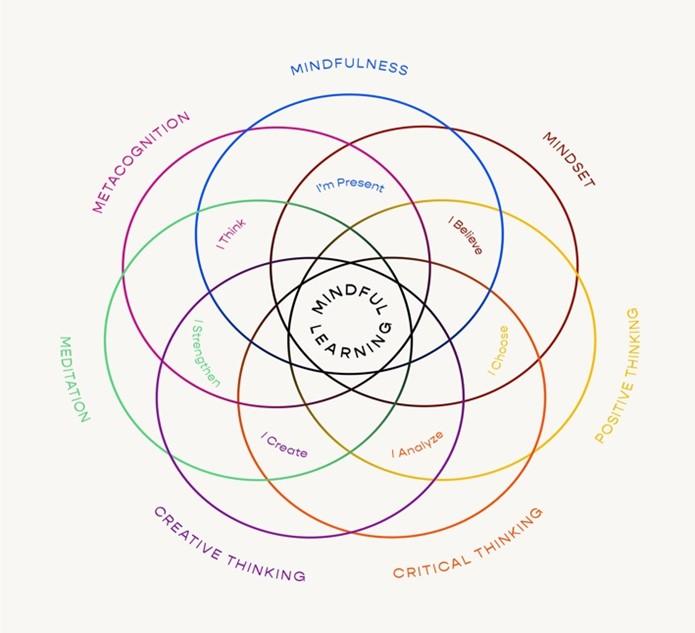
Unlocking Success: The Role of Mindfulness in Education for Student Growth and Well-Being
Success in education goes beyond grades and academic achievements. Today,educators and parents alike are realizing the powerful benefits of mindfulness in education as a catalyst for both student growth and overall well-being.In an ever-demanding academic world, integrating mindfulness practices into the classroom emerges as a transformative strategy to boost academic success, emotional intelligence, and lifelong coping skills.
What is Mindfulness in Education?
Mindfulness, at its core, means being present and fully engaged in the moment, aware of thoughts and feelings without distraction or judgment. When woven into the educational framework, mindfulness in education encourages students to focus their attention, regulate their emotions, and develop a resilient mindset that fuels learning and personal growth.
- Keywords: mindfulness in education, student growth, academic success, well-being, mindfulness practices for students
why Mindfulness Matters for Student Growth and Well-Being
Students today face a range of stressors, from academic pressures to social challenges. Research highlights that mindfulness techniques considerably improve focus, academic achievement, and emotional resilience. By cultivating greater self-awareness, students can manage stress, reduce anxiety, and build healthy relationships—laying a strong foundation for holistic student growth.
Key Benefits of Mindfulness Practices For Students
- Enhances Focus and Concentration: Mindfulness exercises help students resist distractions and stay attentive during lessons.
- Reduces Stress and Anxiety: Techniques like mindful breathing calm the nervous system and lower cortisol levels.
- improves Emotional Regulation: Students learn to respond thoughtfully rather than react impulsively to challenging situations.
- Promotes Healthy Relationships: Mindfulness fosters empathy and compassion, strengthening peer and teacher bonds.
- Boosts Academic Performance: Greater clarity and focus often translate into improved test scores and classroom participation.
- Encourages Self-Awareness: Students become more in tune with their emotions, identifying what motivates or distracts them.
Scientific Evidence Supporting Mindfulness in Schools
The growing interest in mindfulness education is backed by significant scientific research. Numerous studies have demonstrated:
- Improved Cognitive Skills: Studies published in journals like Mindfulness and Child Development report that students practicing mindfulness display enhanced working memory and attention spans.
- Better Emotional Health: Research from institutions such as Harvard and UCLA found important decreases in symptoms of depression and anxiety among students who engage in mindfulness programs.
- Positive School Climate: Classrooms that implement mindfulness programs see less bullying, better peer relationships, and overall improved classroom environments.
These compelling results reinforce mindfulness in education as more than just a trend—it’s a research-based approach driving real student growth.
Practical Tips for Integrating mindfulness Practices in the Classroom
Embedding mindfulness practices for students doesn’t require a complete curriculum overhaul. Here are beginner-friendly strategies to introduce mindfulness for student well-being:
Start with Short Mindful Moments:
- open or close class with 2-3 minutes of silent breathing or guided imagery.
- Try “Five Senses Check-In” exercises to tune into the present moment.
teach Mindful Breathing and Body Scans:
- Use simple scripts or online resources to guide students through calming routines.
- Practice before tests or stressful periods to reduce anxiety and boost focus.
Encourage Gratitude and Reflection:
- Create a gratitude wall, or have students write gratitude journals weekly.
- Integrate mindfulness-based reflection prompts: “What made me happy/discouraged today?”
Incorporate Movement:
- Try mindful stretching, yoga poses, or “walking meditation” breaks.
Model Mindfulness as an Educator:
- Share your own practices and calmly respond to classroom stressors, reinforcing a culture of presence and self-care.
Tips for Home and Beyond the Classroom
- Share family mindfulness routines, such as mindful meals or tech-free evenings.
- Encourage daily use of mindfulness apps designed for children and teens.
- Practice deep breathing before homework or big events at home.
Case Studies: Transforming Student Experience Through Mindfulness
Let’s look at inspiring examples where mindfulness in schools changed student lives:
Case study 1: Robert W. Coleman School,baltimore,USA
Instead of conventional detention,this elementary school introduced a “Mindful moment Room,” where students practiced deep breathing,meditation,and reflection. Within two years, the school reported a dramatic drop in suspensions and a calmer school environment. Both academic performance and student-teacher relationships improved.
Case Study 2: Mindfulness Program in UK Primary Schools
A group of schools in the UK implemented an eight-week mindfulness curriculum. Students who participated demonstrated improved attention, emotional regulation, and resilience. teachers reported higher classroom engagement and fewer disruptions.
First-Hand Experience: Voices from the classroom
“After practicing mindfulness with my class,I noticed students handled stress better—not just with schoolwork but in friendships and daily life. Their ability to pause, think, and choose positive responses grew remarkably.”
— Ms.Diaz, Middle School Teacher
“I used to get really nervous before math tests and couldn’t focus. But when I learned to breathe slowly and close my eyes for a minute, I started feeling calmer, and my grades improved.”
— Ethan, Grade 7 Student
Overcoming Challenges in Implementing Mindfulness Programs
Despite its many benefits, introducing mindfulness in education can face obstacles:
- Lack of Training: Many teachers feel unprepared to lead mindfulness exercises. Solution: Short online courses and school-supported workshops.
- Time Constraints: School schedules are packed. Solution: Start small—integrate one-minute mindfulness activities between lessons.
- Skepticism or Misunderstanding: Some may mistake mindfulness for religious practice. Solution: Emphasize its scientific, secular approach and focus on evidence-based outcomes.
Persistence, community support, and starting with simple practices can help overcome these challenges, ensuring every student benefits from mindfulness education.
Conclusion: mindfulness in Education as a Key to Lifelong Success
In today’s fast-paced, often stressful educational environment, mindfulness in education stands out as a practical, research-backed pathway to a brighter future for students. By fostering calm, resilience, and self-awareness, mindfulness equips learners with essential tools for academic achievement and lifelong well-being.
Whether you are a teacher, parent, or student, incorporating mindfulness practices doesn’t have to be overwhelming. With small,consistent steps,you can unlock the transformative potential of mindfulness in education—leading to happier,more successful students and a more supportive school community.
Ready to Guide Your Students Toward Success?
Start your journey today by adding one simple mindful moment to your daily routine.Join the global movement making mindfulness for student growth and well-being a central pillar of education!