
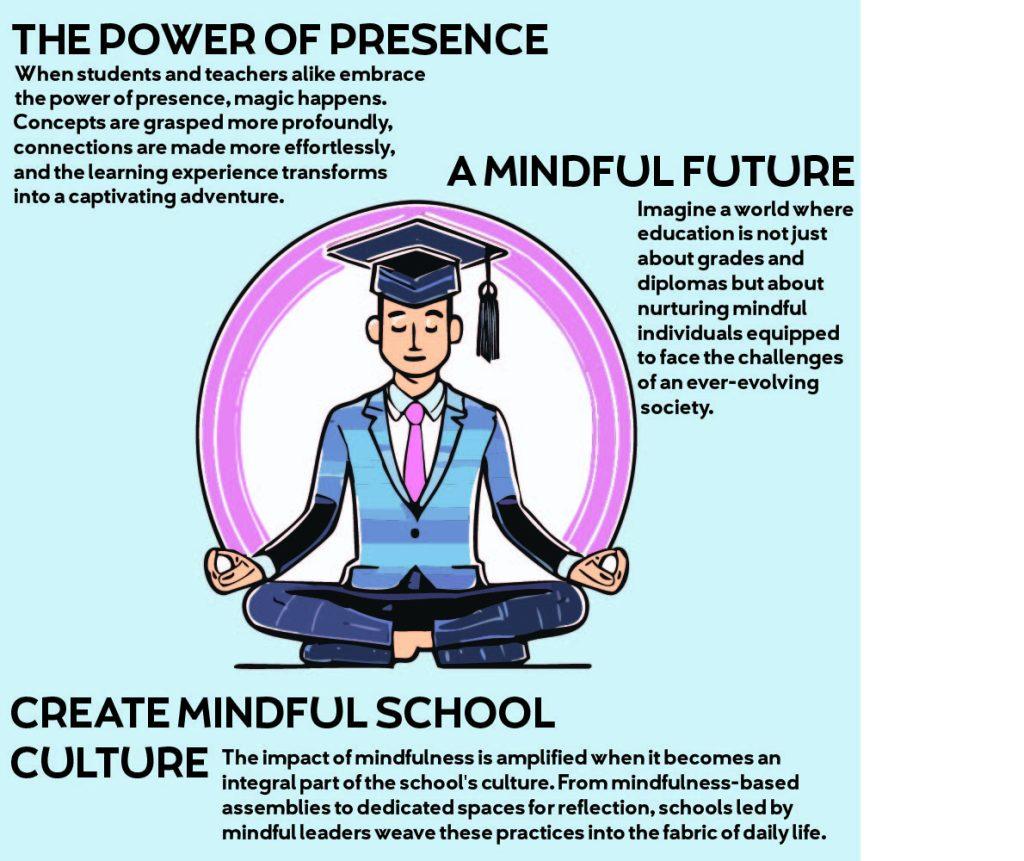
Unlocking Success: The Role of Mindfulness in Education for Student Wellbeing and Academic Achievement
Introduction
In today’s fast-paced and competitive world, educators and parents are constantly seeking ways to support student wellbeing and boost academic achievement.One emerging approach gaining notable traction is mindfulness in education. By cultivating a mindful classroom surroundings, students can enhance their mental health, improve concentration, and ultimately achieve greater success.This complete guide explores the vital role of mindfulness in education,examines its benefits for student wellbeing and academic performance,and provides actionable strategies for implementation.
What is Mindfulness in Education?
Mindfulness refers to the practice of being fully present, aware of where we are and what we’re doing, without being overly reactive or overwhelmed by what’s happening around us. In the context of education, mindfulness encourages students to tune into their thoughts, emotions, and physical sensations, enabling better self-regulation and focus in the classroom.
- Intentional focus on the present moment
- Non-judgmental awareness of thoughts and feelings
- Increased emotional intelligence and resilience
Why Mindfulness Matters for Student Wellbeing
Student wellbeing is a holistic concept encompassing emotional, psychological, and social health. Research shows that incorporating mindfulness practices in schools can significantly reduce stress, anxiety, and instances of bullying, while enhancing students’ self-care and emotional regulation.
Key Benefits of Mindfulness for Student Wellbeing
- Reduced levels of stress, anxiety, and depression
- Improved sleep quality and physical health
- Enhanced self-confidence and positive self-esteem
- Stronger relationships with peers and educators
- Fostering a sense of belonging and safety in school
Impact of Mindfulness on Academic Achievement
The correlation between academic achievement and mindfulness in education is well-documented. When students develop attention control and emotional balance, they create an optimal state for learning. Mindful students tend to have better attendance, focus, and academic performance.
How Mindfulness Boosts Academic Success
- Enhanced Concentration: Mindfulness helps students filter out distractions and stay engaged with coursework.
- Improved Memory and retention: Practicing mindfulness strengthens cognitive functions necessary for effective learning.
- Better Executive Function: Students develop planning, problem-solving, and organizational skills crucial for academic tasks.
- Positive Attitude toward Learning: Reduced stress enables students to approach challenges with resilience and curiosity.
Real-World Case Studies: Mindfulness in Schools
case Study 1: The Mindful Schools Program (California, USA)
The Mindful Schools Program trained teachers to incorporate daily mindfulness exercises into the classroom routine. After one academic year, students demonstrated:
- 18% enhancement in standardized test scores
- 32% reduction in classroom disruptions
- Noticeable improvements in empathy, compassion, and self-control
Case Study 2: Breathworks in the UK
Over 200 secondary school students participated in eight weeks of guided mindfulness and breathing techniques. Results reported:
- Less emotional outbursts and aggression
- Greater engagement in class discussions
- Meaningful decrease in absenteeism
First-Hand Experience: A Student’s Perspective
“Before mindfulness,I used to get overwhelmed with exams and deadlines. Practicing breathing and short mindful pauses in between classes helped me calm down and refocus. My grades improved, and I started enjoying school instead of fearing it.”
— Jamie, High School Senior
Practical Tips: How to Integrate Mindfulness Into the Classroom
Integrating mindful practices in schools doesn’t require a big overhaul. Here’s how educators can start embedding mindfulness into daily routines:
- Mindful Breathing Exercises: Start each class with 1–2 minutes of deep breathing.
- Body Scan Activities: guide students through a head-to-toe check-in to release tension.
- Mindfulness Bells: Use a gentle chime or bell to remind students to pause and recenter.
- Gratitude Journals: Encourage students to journal three things they are grateful for each day.
- Mindful Transitions: Incorporate pauses between lessons to help students mentally reset.
Best Resources and Programs for Mindfulness in Education
Conclusion
The integration of mindfulness in education stands out as a practical and powerful strategy for enhancing student wellbeing and academic achievement. As research and real-world experiences highlight, mindful classrooms nurture resilient, empathetic, and focused learners. By embedding simple mindfulness techniques into daily routines, educators can empower students to navigate not just academic challenges, but life itself, with confidence and calm.
Start small—one mindful breath, one moment at a time—and witness the transformation it can bring to your school community.