
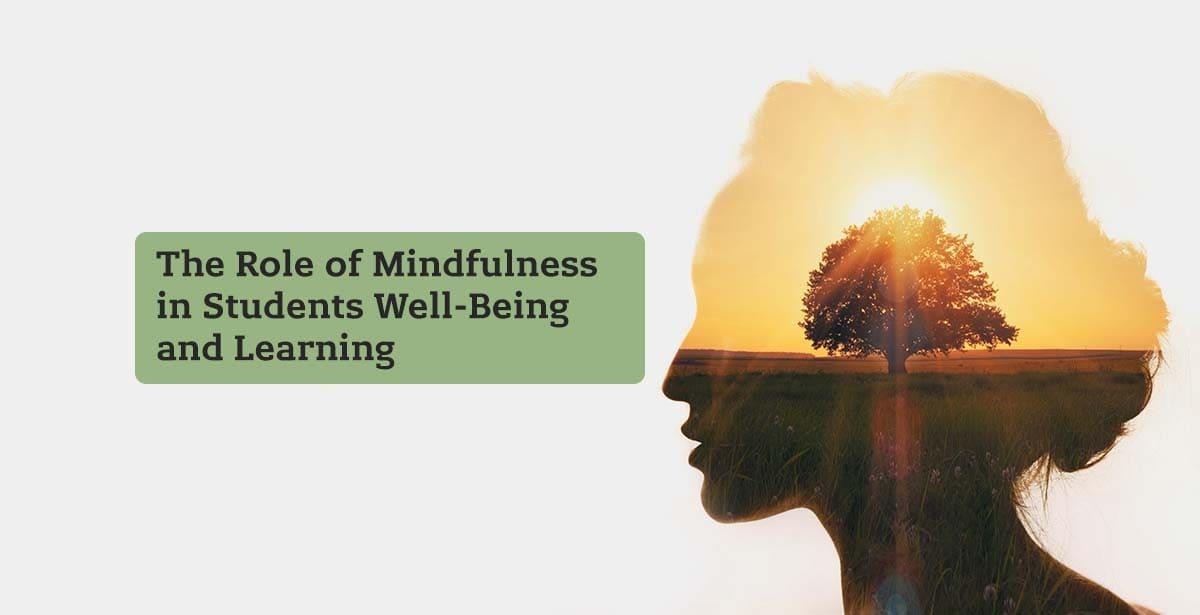
Unlocking Success: The role of Mindfulness in Education for student Wellbeing and Achievement
In today’s fast-paced educational landscape, student wellbeing and academic achievement are top priorities for educators, parents, and policymakers alike. Amid rising stress and mental health challenges among learners, mindfulness in education has emerged as a transformative approach. By fostering emotional balance, focus, and resilience, mindfulness practices are unlocking new levels of success in classrooms worldwide. In this article, we’ll dive into the role of mindfulness in education, explore its impact on student wellbeing and achievement, and offer practical tips and strategies for integrating mindfulness into everyday learning.
What Is Mindfulness in education?
Mindfulness refers to the practice of paying purposeful, non-judgmental attention to the present moment. In the context of education, mindfulness means helping students develop awareness of their thoughts, feelings, and surroundings—without criticism or distraction.
- Mindful breathing: Simple techniques to focus on breathing and cultivate calm.
- Body scan exercises: Bringing attention to different parts of the body for relaxation.
- Guided visualizations: Practicing visualization to promote calm and focus.
- Reflective journaling: Encouraging students to process emotions and experiences.
These practices, when embedded into the school day, can create mindful learning environments that support holistic student growth.
The Impact of Mindfulness on Student Wellbeing
Integrating mindfulness in schools isn’t just a trend—it’s backed by research. Evidence consistently shows that teaching mindfulness to students yields significant benefits for mental health and wellbeing, including:
- Reduced stress and anxiety: Mindfulness helps regulate emotions, lowering stress-related symptoms in students.
- Improved emotional regulation: Students learn to recognize and respond appropriately to emotions, rather than reacting impulsively.
- Enhanced self-awareness: Mindfulness boosts self-understanding and empathy for others.
- Increased resilience: Students develop coping skills to handle academic and social challenges.
- Better sleep and physical health: Mindful practices often led to better rest and overall wellness.
“Mindfulness taught me how to take a breath and calm myself before a test or a big presentation. I feel less anxious and more ready to learn.” – Middle School Student
Mindfulness and Academic Achievement
In addition to supporting wellbeing, mindfulness techniques in education have been linked to academic success. Here’s how mindfulness can fuel achievement:
- Boosted focus and concentration: Mindfulness trains the brain to stay on task, improving attention span and reducing distractibility during lessons.
- enhanced memory and retention: Studies indicate that mindful students are better at processing and retaining new facts.
- Increased motivation: Mindfulness helps align students with their intentions and goals, fostering intrinsic motivation to learn.
- Better classroom behavior: Mindful students are more likely to participate positively, contributing to a better learning environment for all.
A meta-analysis published in Educational Psychology Review (2019) found that mindfulness interventions produced small-to-moderate improvements in cognitive and academic outcomes for students across age groups.
Practical Tips for Integrating Mindfulness into Schools
Wondering how to bring mindfulness for students into your classroom or school community? Here are some practical, research-backed strategies:
- Start with short, daily practices: Even 3–5 minutes of mindful breathing or body scans can make a difference.
- Create mindful transitions: Begin and end classes with a brief mindfulness exercise to set a calm and focused tone.
- Use mindfulness apps and resources: Platforms like Headspace and Mindful Schools offer age-appropriate guided practices.
- Encourage teacher wellbeing: Educators who practice mindfulness model emotional regulation for students and create more positive classrooms.
- Build a culture of empathy and awareness: incorporate mindfulness into social-emotional learning (SEL) programs and school-wide initiatives.
Case study: Mindfulness in Action
Let’s look at the inspiring example of Baltimore’s Robert W.Coleman Elementary School. In place of traditional detention, the school introduced the “Mindful Moment Room,” where students practice breathing exercises and reflect on their behavior.
- Detentions and suspensions dropped to zero over several years.
- Students reported feeling calmer, happier, and more able to handle challenges.
- Teachers noted improved focus and positive classroom behavior.
This powerful case demonstrates how integrating mindfulness in schools can revolutionize both student wellbeing and academic culture.
First-Hand Experience: Educator Perspective
“Introducing daily mindfulness practices has transformed my classroom. Students are more engaged, less reactive, and even help each other with breathing exercises when someone is stressed. It’s made teaching and learning a more joyful experience for everyone.”
— Ms. Jane Alvarez, 5th Grade Teacher
Overcoming Challenges and Ensuring Inclusive Mindfulness
While the benefits of mindfulness in education are clear, implementation comes with challenges:
- Time constraints: Schools are often pressed for time. Short, flexible practices can be woven into existing routines.
- Teacher training: Investing in professional progress ensures fidelity and enthusiasm.
- Cultural sensitivity: Mindfulness practices should be secular, inclusive, and respectful of diverse backgrounds.
With planning and community input,mindfulness can be a powerful tool for all students,promoting student wellbeing and achievement equitably.
Conclusion: Mindfulness as a Pathway to Educational Success
the role of mindfulness in education extends far beyond relaxation—it is a pathway to unlocking greater student wellbeing and achievement. From reducing anxiety and boosting focus to fostering empathy and motivation, mindful practices offer profound advantages for students of all ages. Schools that invest in mindfulness are not only nurturing healthier, happier learners but also building the foundation for enduring academic and life success.
Ready to experience the difference? Consider starting with a simple mindful moment tomorrow—and watch how it transforms your classroom and your students’ lives.