
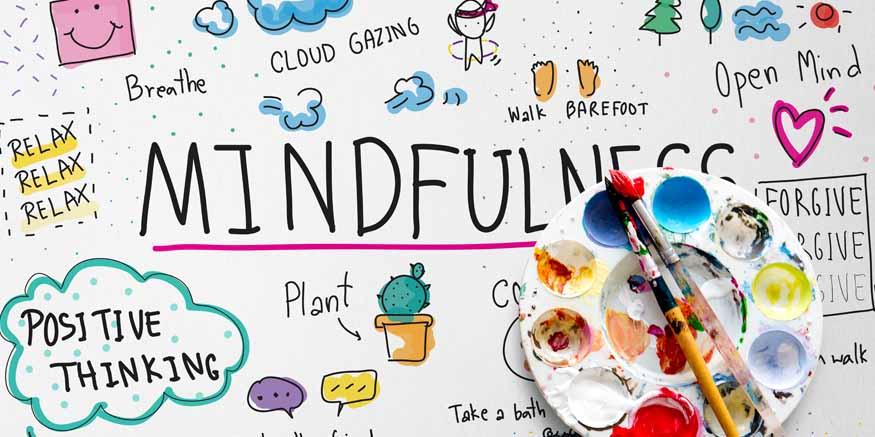
Unlocking Success: The Transformative Role of Mindfulness in Education
In today’s fast-paced educational environment, students and educators alike face a multitude of challenges—ranging from academic pressure and digital distractions to emotional stress and mental fatigue. Enter mindfulness in education, a research-backed practice that is revolutionizing classrooms around the world. But what exactly is mindfulness,and how can it unlock lasting success for students,teachers,and the broader educational community? This comprehensive guide explores the transformative impact of mindfulness in education,backed by real-life examples,practical strategies,and actionable tips for seamless integration.
What is Mindfulness in Education?
Mindfulness refers to the intentional practice of paying attention to the present moment, non-judgmentally, and with full awareness. When we talk about mindfulness in education, we encompass a wide range of approaches—such as mindful breathing, guided meditation, and reflective journaling—implemented within school environments to support cognitive, emotional, and social development.
- Present-Focused: Encouraging students to remain aware of their current thoughts, emotions, and surroundings.
- Non-Judgmental: Cultivating self-acceptance and tolerance for oneself and others.
- Intentional Practice: Integrating structured mindfulness activities into lessons and routines.
The goal? To help learners develop resilience, emotional intelligence, and self-regulation—key ingredients for academic and personal achievement.
Why Mindfulness Matters: The Key Benefits for Students and Educators
The impact of mindfulness in education goes far beyond stress reduction. A growing body of scientific research links mindfulness practices with numerous advantages for both students and educators:
1. Enhanced Academic Performance
- Improves attention and concentration
- Reduces cognitive overload and mental burnout
- Boosts working memory and details retention
2. Emotional Resilience
- Encourages healthy emotional regulation and self-control
- reduces symptoms of anxiety and depression
- Fosters self-compassion and empathy towards others
3. Better Classroom Climate
- Decreases disruptive behavior and conflict
- Enhances relationships between students and teachers
- Promotes a more inclusive, respectful, and supportive environment
4. Teacher Well-Being
- Lowers risk of teacher burnout
- Improves emotional stability and job satisfaction
- Strengthens teacher-student connections
Mindfulness in Action: Case Studies and Success Stories
Case Study 1: Mindfulness in an Urban Elementary school
A public elementary school in Baltimore introduced daily 10-minute mindfulness sessions for students and teachers. Within one semester, the school reported a 60% decrease in suspensions and disciplinary incidents. Principals also noticed improved attendance rates and a renewed sense of calm in classrooms.
“We used to send dozens of students to the office every day for behavior issues. Now, students request mindfulness breaks rather of reacting impulsively,” says a fourth-grade teacher.
Case Study 2: Mindfulness-based SEL Curriculum in High School
at a high-performing high school in California, educators integrated a mindfulness and social-emotional learning (SEL) curriculum. Over two years, students demonstrated higher standardized test scores, lower dropout rates, and greater resilience during college admissions season. Alumni frequently cited mindfulness as a tool they continued to use in higher education and beyond.
Direct Testimonials
- “After practicing mindfulness, our students resolve conflicts themselves and show more empathy towards peers.”
- “Mindfulness helps me stay calm during exams, and I don’t get as nervous anymore.”
- “It’s been a game-changer for my own stress management as a teacher.”
Evidence-based Mindfulness Strategies for the Classroom
Ready to integrate mindfulness into your classroom or school community? here are practical, evidence-based mindfulness activities that foster success for all stakeholders:
1. Mindful Breathing
- Begin each day or class with 2-5 minutes of guided deep breathing
- Encourage focus on the sensation of the breath, helping students reset
2. Body Scans
- Invite students to notice physical sensations from head to toe
- Use as a calming transition between activities or after physical education
3.Mindful Journaling
- Incorporate brief mindful writing prompts at the start or end of lessons
- Encourage reflection on thoughts, emotions, or challenges faced
4. Guided Meditations and Visualization
- Lead students through visualization exercises for relaxation or focus
- Integrate free audio or video resources available for different age groups
5. Gratitude Circles
- Create a safe space for students to express thanks for small moments each day
- Strengthen social bonds and collective well-being
Tip for Educators: Begin with short, consistent practices—such as a minute of breathing at the start of the day—and gradually build up as students become more pleasant.
Overcoming Challenges: Common Pitfalls & How to Address Them
- Engagement Barriers: Some students may initially resist mindfulness. Make practices optional and explain the science behind their benefits.
- Time Constraints: Start with brief exercises that fit naturally into existing routines. Even one mindful minute can make a difference.
- Consistency: Create visual cues (such as a dedicated mindfulness corner) and involve the whole school community to reinforce practice.
- Cultural sensitivity: Frame mindfulness with secular, inclusive language and respect students’ diverse backgrounds and values.
Practical Tips for Sustaining Mindfulness Initiatives
-
Professional Development:
Participate in mindfulness training workshops and ongoing education tailored for teachers and staff.
-
Whole-School Approach:
Encourage administrators, faculty, and support staff to model mindfulness for a ripple effect throughout the community.
-
Family Engagement:
Share resources, host mindfulness nights, and keep parents informed to support practice at home.
-
Evaluation:
Gather feedback, track outcomes, and celebrate milestones to maintain momentum and demonstrate measurable impact.
First-Hand Experiences: Voices from the Classroom
“As a middle school teacher,introducing mindfulness has transformed my approach to discipline. Instead of punitive consequences, I now facilitate mindful pauses, which help students understand and regulate their own behavior.” — Ms. Ramirez,Science Teacher
“Our mindfulness practice has united students across grade levels. Older students willingly mentor younger peers, making our school a more caring place.” — Principal Jones
“Before mindfulness,I found it hard to focus. Now, when I feel overwhelmed, I do a rapid breathing exercise, and it really helps.” — A.J., 10th Grade Student
Conclusion: Unlock a Brighter Future with Mindfulness in Education
Embracing mindfulness in education isn’t just a trend—it’s a transformative approach with the power to unlock student success, boost teacher well-being, and foster thriving school communities. By incorporating simple, evidence-based mindfulness practices, educators can equip learners with lifelong skills for focus, emotional balance, empathy, and resilience. As research and real-world examples demonstrate,mindful education paves the way for better academic outcomes,healthier relationships,and greater happiness for everyone involved.
Whether you’re a teacher, administrator, parent, or student, integrating mindfulness into education can ignite positive change that endures far beyond the classroom. Start small, stay consistent, and watch as mindfulness elevates your learning environment—unlocking success, one breath at a time.