
Unlocking Success: What an instructional Design Consultant Can do for Your Organization
For universities, colleges, and schools embracing the digital era, the role of an Instructional Design Consultant has become essential. As education technology evolves, institutions are seeking professionals with the expertise to create effective, engaging, and accessible learning experiences. If you are a job seeker interested in education technology or considering a role as an instructional design consultant, this article provides insight into what the role entails, its profound benefits for educational organizations, and practical tips for excelling in this career path.
Understanding the Role of an Instructional Design Consultant
An Instructional Design Consultant specializes in analyzing, designing, and developing instructional materials and programs that enhance learning outcomes. These consultants work across K-12 schools, colleges, and universities, frequently incorporating the latest in educational technology to boost student engagement and achievement. Their work supports faculty, administrators, and e-learning initiatives to create impactful and comprehensive curriculum solutions.
Key Responsibilities
- Conducting needs assessments to identify learning gaps
- Collaborating with faculty to design curriculum and digital content
- Applying adult learning theories and instructional design models (such as ADDIE, SAM, Bloom’s Taxonomy)
- Integrating educational technologies like Learning Management systems (LMS), multimedia, and online platforms
- Creating assessments to measure learning effectiveness
- Providing faculty training and technical support
- Evaluating and revising instructional materials based on learner feedback and performance analytics
Why Instructional Design Consultants Are Vital in Education Technology
As universities and schools adapt to online and blended learning, the expertise of an instructional design consultant is invaluable.Here’s how these professionals drive success within educational organizations:
Enhancing Course Quality and Student Engagement
Instructional design consultants use pedagogical knowledge combined with instructional technology tools to create engaging,interactive courses. This not only improves student satisfaction but also leads to better retention and academic performance.
Supporting Digital Change
The shift to remote and hybrid models means institutions need to rethink how they deliver instruction. Consultants ensure that both content and delivery methods align with best practices for online learning, integrating tools such as video lectures, discussion forums, e-portfolios, and adaptive assessments.
Facilitating faculty Advancement
Even the most skilled educators may lack experience with the latest education technology tools. Instructional design consultants bridge this gap, offering training sessions, workshops, and ongoing support so faculty can confidently deliver quality education—whether in person or online.
Boosting accessibility and Inclusivity
Instructional design professionals help institutions adhere to accessibility standards, ensuring learning materials are usable by all students, including those with disabilities. This includes applying Worldwide Design for Learning (UDL) principles and complying with laws such as ADA or Section 508.
Data-Driven Decision Making
By leveraging analytics and assessment tools, instructional designers evaluate the effectiveness of courses and programs. Their insights inform continuous advancement strategies, aligning learning outcomes with organizational goals and accreditation requirements.
Benefits of Hiring an Instructional Design Consultant
Institutions that invest in instructional design consultants reap several key benefits:
- Scalable Learning Solutions: Easily replicate, update, and share courses across departments or campuses.
- Improved Learning Outcomes: Evidence-based instructional strategies translate into higher student achievement and satisfaction.
- Cost-Efficiency: Well-designed courses reduce redundant efforts and minimize wasted resources with streamlined, effective learning pathways.
- Faster curriculum Development: Expert guidance leads to quicker design cycles and faster rollout of new programs.
- Future-Readiness: Staying ahead of technology trends, consultants future-proof curriculum and instructional practices.
Ideal Skills and Qualifications for Instructional Design Consultants
Are you aiming to become an instructional design consultant at a university, college, or school? Here are the key skills and qualifications you should cultivate:
- Educational Background: A degree in instructional design, education, instructional technology, or a related field.
- Technological Proficiency: Experience with LMS platforms (e.g., canvas, Blackboard, Moodle), authoring tools (Articulate Storyline, Captivate), and multimedia production.
- Understanding of Learning Theories: Familiarity with adult learning theory, cognitive science, and instructional frameworks.
- Project Management: Ability to juggle multiple projects, meet deadlines, and coordinate with diverse stakeholders.
- Communication and Collaboration: Excellent interpersonal skills to train faculty and collaborate with subject matter experts.
- Assessment and Analytics: Using data and feedback to refine instructional strategies continuously.
How to Get a Job as an Instructional Design Consultant in Education
For job seekers exploring opportunities in education technology, here is a practical roadmap to securing a rewarding position as an instructional design consultant:
1. Build a Strong Educational Foundation
Pursue a bachelor’s or master’s degree in instructional design, educational technology, or curriculum development. Certifications in specialized tools or methodologies (e.g., ATD, AECT) can enhance your profile.
2. Gain Practical Experience
Seek internships, assistantships, or entry-level roles in academic settings. Freelance or volunteer work in curriculum development or online course creation can help build a solid portfolio.
3. Master Relevant Technology
- get hands-on experience with popular LMS and course authoring software.
- Learn to create multimedia assets (audio, video, interactive modules).
- Stay up-to-date with the latest digital learning trends and best practices.
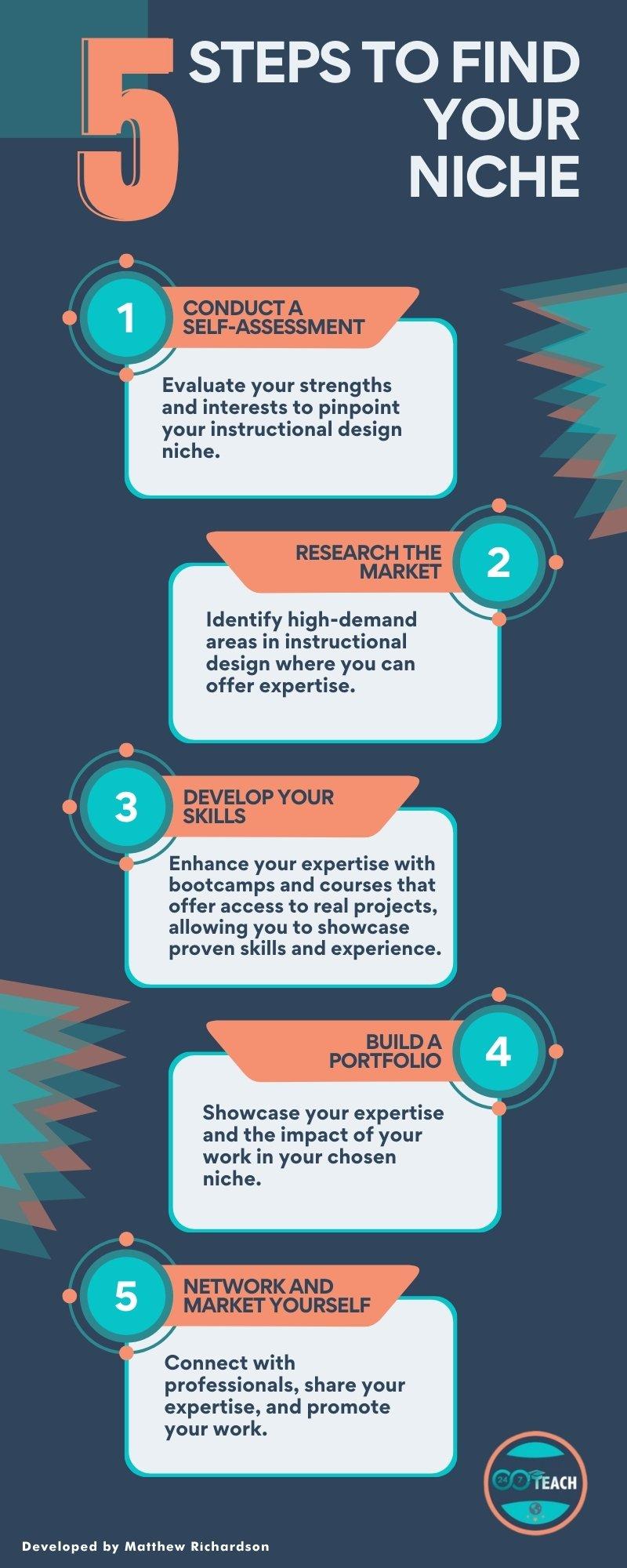
4. Create a Professional Portfolio
Showcase sample courses, curriculum maps, e-learning modules, or case studies that demonstrate your impact on learning outcomes.
5. Develop Soft Skills
Hone your communication, collaboration, and training abilities. Clients and colleagues alike appreciate consultants who can translate complex technology into user-friendly guidance.
6. Network in the Education Technology Community
Attend industry conferences, webinars, and workshops. Join professional organizations to connect with peers and potential employers.
Tips for Succeeding as an Instructional Design Consultant
Whether you’re just starting or looking to advance your instructional design career, these tips will help set you apart:
- Stay Curious: Follow the latest research and technology developments in education.
- Adopt a Learner-Centered Approach: Focus on meeting student needs first.
- Measure Success: Use analytics and feedback to guide continuous improvement.
- Communicate Clearly: Bridge the gap between technology and pedagogy for various audiences.
- Champion Inclusion: Always design with accessibility and diversity in mind.
- Build Trust: develop strong, positive relationships with faculty and stakeholders.
Conclusion: Empower Your Institution and Career with Instructional Design Expertise
The education sector is undergoing rapid transformation, making the Instructional Design Consultant a strategic partner for universities, colleges, and schools. By blending pedagogical theory with the latest in education technology, these professionals are charting new paths for student success and institutional excellence. for job seekers passionate about making a difference, this field offers a fulfilling blend of creative, analytical, and collaborative work. If you aim to drive meaningful educational innovation,now is the perfect time to explore a role as an instructional design consultant—empowering both organizations and learners for success in a digital world.