
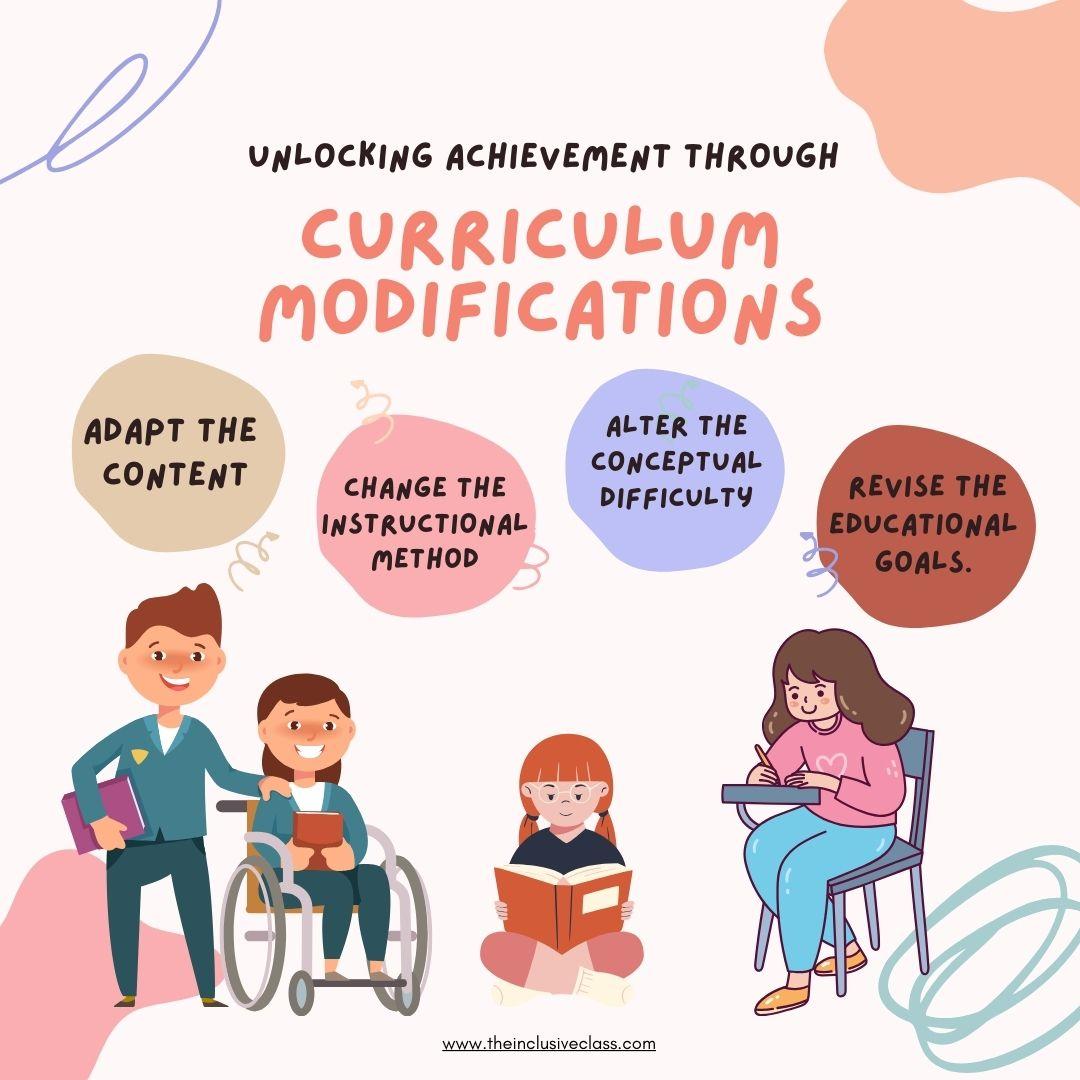
Unlocking Success: What Does a Curriculum Manager Do and Why Your School Needs One
Are you passionate about education technology and eager to make a meaningful impact in schools,colleges,or universities? If so,the role of curriculum Manager might be the perfect fit for you.As educational institutions continue to embrace digital tools and innovative teaching methods, the demand for skilled Curriculum Managers has soared. But what does a Curriculum Manager actually do,and why is this position crucial for the success of any modern school? In this extensive guide,you’ll discover the responsibilities of a Curriculum Manager,the benefits they bring to an institution,and expert tips for securing your dream job in education technology.
What is a Curriculum Manager?
A Curriculum Manager is a key member of the academic leadership team, responsible for developing, implementing, and evaluating educational programs. They ensure that curricula meet the latest standards, incorporate technology effectively, and foster student engagement. Curriculum Managers work closely with teachers, administrators, and sometimes even students to design learning experiences that align with institutional goals and real-world demands.
- Title Synonyms: Curriculum coordinator, Instructional Designer, Academic Program Manager
- Industry Scope: Schools, colleges, universities, and EdTech companies
- Reporting To: School Principal, Academic Dean, Director of Education Technology
The Key Responsibilities of a Curriculum Manager
Securing a job as a Curriculum Manager in a university, college, or school means multitasking across several crucial areas. typical responsibilities include:
- curriculum Design: Developing educational frameworks for courses and programs, integrating digital tools and resources to optimize learning outcomes.
- Assessment and Evaluation: Establishing metrics to review program effectiveness, coordinating the analysis of student performance data, and proposing changes based on evidence.
- Teacher Support and Professional Development: Providing training, workshops, and resources for educators to ensure effective curriculum delivery and adoption of new education technology.
- Compliance and Accreditation: Ensuring curricula align with national, state, or institutional standards, and preparing documentation for accreditation processes.
- Collaboration: Working with stakeholders, such as faculty, students, and educational technology teams, to refine and update instructional materials.
- Research and Innovation: Staying current with education trends, testing new teaching methods, and evaluating EdTech platforms for classroom use.
Daily Tasks of a Curriculum Manager
The role frequently enough involves a mix of strategic planning and hands-on execution, such as:
- Reviewing and updating syllabi, lesson plans, and digital learning modules
- Meeting with faculty and EdTech providers to ensure seamless technology integration
- Organizing workshops and training sessions for staff development
- Analyzing academic data and preparing reports for school boards or administrators
- Managing instructional budgets and allocating resources
- Facilitating curriculum committee meetings
Why Your School or University Needs a Curriculum Manager
The presence of a skilled Curriculum Manager can be a game-changer for any educational institution. Here are some compelling reasons to invest in this vital role:
- Driving Educational Innovation: Curriculum Managers are at the forefront of educational advancements, ensuring your school remains competitive and relevant in today’s fast-evolving academic landscape.
- Technology Integration: They bridge the gap between traditional teaching and modern EdTech solutions, maximizing student engagement and learning outcomes.
- Continuous Improvement: With strong assessment skills, Curriculum Managers facilitate ongoing review and enhancement of curricula, tailoring learning experiences to diverse student needs.
- Compliance Assurance: They guarantee programs align with required standards, reducing risks during audits, accreditation, or regulatory reviews.
- Teacher Empowerment: Through systematic professional development, Curriculum Managers raise teaching quality, job satisfaction, and retention rates among staff.
The Benefits of Having a Curriculum Manager in Education Technology
Investing in a Curriculum Manager can yield meaningful advantages for students, teachers, and the institution as a whole:
- Improved Student Outcomes: Effective curricular strategies lead to higher academic achievement and better preparedness for future careers.
- Streamlined EdTech Adoption: Curriculum Managers evaluate and champion the most suitable digital platforms, avoiding wasted resources and ensuring smooth implementation.
- Data-Driven Decision Making: by leveraging analytics, Curriculum Managers inform strategic planning and resource allocation, targeting areas for growth and improvement.
- Enhanced Collaboration: Their leadership fosters open communication between departments,reducing silos and nurturing innovation.
- scalability: Standardized curricula and best practices make scaling up successful programs across campuses more achievable.
- Student-Centric Approach: With a focus on inclusivity and adaptability, Curriculum Managers cater to diverse learner profiles, special needs, and varying academic levels.
Qualifications and skills Required for Curriculum Managers
If you’re aiming for a Curriculum Manager job in education technology, certain qualifications and skills can set you apart:
- Educational Background: Typically requires a bachelor’s or master’s degree in Education, Instructional Design, Curriculum Development, or a related field. A specialization in EdTech is highly valuable.
- Work Experience: Proven experience as a teacher, instructional coordinator, or in program management within educational institutions or EdTech companies.
- Technical Proficiency: Familiarity with learning management systems (LMS), digital content creation, analytics, and technology integration.
- Project Management: Skills in planning, budgeting, task delegation, and stakeholder management.
- Strong Communication: Ability to present ideas clearly, conduct training, and facilitate meetings.
- Analytical Thinking: Expertise in data analysis to drive curriculum improvements and demonstrate impact.
- Adaptability: Ready to embrace new technologies,pedagogies,and changing standards in education.
How to Succeed as a Curriculum Manager in Education Technology
Making yourself competitive in the edtech job market for Curriculum Manager roles requires a proactive and strategic mindset. Here are some practical tips:
- Stay Updated: Regularly explore new education technology trends, attend webinars, take online courses, and join professional organizations.
- Strengthen Tech Skills: Master key tools like Google Classroom,canvas,Moodle,and other classroom management software.
- highlight Achievements: Showcase successful curriculum redesigns, technology integration projects, or measurable improvements in student performance on your resume and portfolio.
- Network: Connect with Curriculum Managers on LinkedIn,participate in edtech communities,and collaborate on cross-institutional projects.
- Emphasize Leadership: Develop your ability to lead teams, coach faculty, and guide strategic initiatives in education technology.
- Be Student-Centered: Focus on meeting the evolving needs of learners, supporting equity, and ensuring all students benefit from educational innovations.
Preparing for a Curriculum Manager Job Interview
- Know Your Institution: research its academic mission, current curriculum structure, and EdTech initiatives before interviewing.
- Demonstrate Impact: Prepare real-world examples of how you’ve improved curricula or integrated technology to solve specific challenges.
- Showcase Adaptability: Highlight your ability to adapt to different teaching models, such as online, hybrid, or face-to-face learning environments.
- Express Vision: Speak confidently about your approach to curriculum innovation and your long-term goals for program improvement.
Frequently Asked Questions About Curriculum Managers in Education Technology
What makes a great Curriculum Manager?
Outstanding Curriculum Managers blend pedagogical expertise with practical technology skills. They are collaborative, data-driven, and continually learning to stay ahead of educational trends.
How do Curriculum Managers support technology adoption?
They identify, evaluate, and implement the most effective digital tools, provide training, and ensure that classroom technology supports learning objectives.
what career growth opportunities exist?
Curriculum Managers can advance to roles such as Director of Curriculum, Head of educational Innovation, or Chief Academic Officer, especially in progressive schools and EdTech organizations.
Conclusion
The Curriculum Manager is an essential change-maker in today’s technology-driven educational environments. Whether you’re seeking a role in a school, college, university, or an EdTech company, their expertise in curriculum design, teacher training, and technology integration drives student success and institutional excellence. By understanding the diverse responsibilities and career paths associated with this position, job seekers like you can take confident steps to unlock opportunities and make a lasting impact in the education sector. Harness your passion for EdTech, sharpen your skills, and embrace the exciting journey toward becoming a Curriculum manager—your school needs one now more than ever.