
Unlocking Success: What Does an Instructional Designer Do and Why It matters
As the demand for skilled professionals in education technology continues to rise, many job seekers are exploring rewarding opportunities as instructional designers at universities, colleges, and schools. But what exactly does an instructional designer do, and why is this role crucial for modern learning environments?
In this comprehensive guide, we’ll break down the key responsibilities of instructional designers, uncover the benefits they bring to education, discuss essential skills and qualifications, and share practical tips for landing a job in this dynamic field.
Understanding the Role: What Does an Instructional Designer Do?
Instructional designers are architects of learning experiences. They combine the principles of education, psychology, and technology to create effective and engaging instructional materials for diverse audiences. Whether it’s customary classrooms or online learning platforms, instructional designers play a pivotal role in shaping how knowledge is delivered and absorbed.
Core Responsibilities of an Instructional Designer
- needs analysis: Collaborating with faculty, teachers, or curriculum specialists to identify learning objectives and gaps.
- Course Design: Developing lesson plans, learning modules, assessments, and multimedia content tailored to student needs.
- Technology Integration: Leveraging education technology tools such as learning management systems (LMS), video conferencing, gamification, and adaptive learning platforms.
- Content Advancement: Writing and organizing instructional content, creating visual aids, presentations, videos, and interactive learning activities.
- Assessment Creation: Designing quizzes, assignments, rubrics, and evaluation metrics to gauge learner progress and outcomes.
- Continuous Improvement: Gathering feedback, analyzing data, and updating instructional materials for maximum effectiveness.
- Faculty Support: Training and guiding educators in best practices for online and blended teaching.
Were Instructional Designers Work
- Universities and colleges – curriculum development for degree programs,online courses,and faculty professional development.
- Schools – enhancing K-12 classroom instruction and innovative digital projects.
- Corporate settings – employee training and e-learning modules (a growing area within education technology).
Why Instructional Designers Matter in Education Technology
Instructional designers are at the heart of educational innovation. Their expertise ensures that learning experiences are not only accessible but also meaningful and impactful for students of all backgrounds. Here’s why their role is so critically important in today’s digital learning landscape:
- Enhancing Student Engagement: By using interactive resources and multimedia, instructional designers make learning exciting and inclusive.
- personalizing Education: They help create adaptive learning paths to address students’ unique needs and learning styles.
- Improving Learning Outcomes: Well-designed courses lead to better comprehension, retention, and real-world request of knowledge.
- Optimizing Technology Use: Instructional designers bridge the gap between traditional pedagogy and modern education technology.
- Supporting Faculty and Teachers: They make it easier for educators to deliver content, assess progress, and evolve their teaching practices.
- Staying Ahead: as remote learning and hybrid classrooms become commonplace, instructional designers help institutions keep pace with changing student expectations and technological advancements.
Key Skills and Qualifications for Instructional Designers
If you’re considering a career as an instructional designer in education technology, understanding the essential skills and qualifications is crucial. Most universities, colleges, and schools look for professionals who bring a blend of educational insight and tech-savvy creativity.
Essential Skills
- Curriculum development: Deep knowledge of instructional design models (such as ADDIE, SAM, or Bloom’s taxonomy).
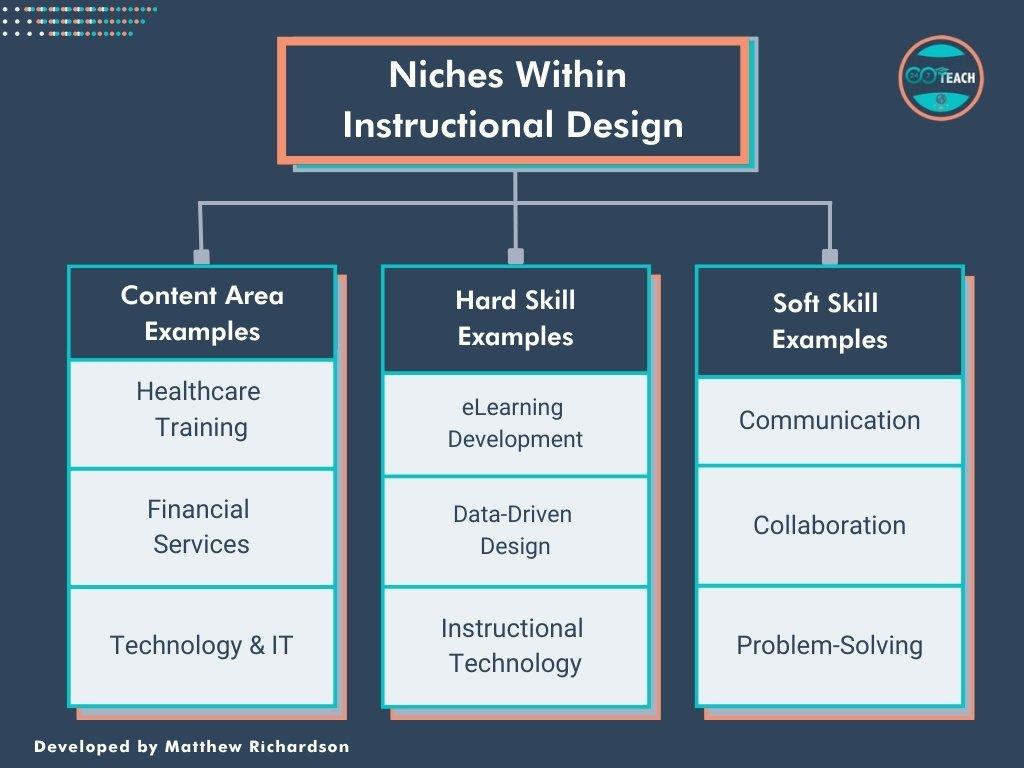
- Technology Proficiency: Experience with learning management systems (e.g., Moodle, Canvas), authoring tools (Articulate Storyline, Adobe Captivate), and multimedia editing software.
- Dialog: Strong written, visual, and verbal communication to convey complex ideas clearly.
- Collaboration: Ability to work cohesively with faculty, IT teams, and administrators.
- Project Management: Managing timelines, deliverables, and stakeholder expectations.
- Creative problem-Solving: Designing inventive educational solutions for learning challenges.
- Assessment and Data analysis: Using data to inform and improve instructional strategies and resources.
Educational requirements
- Bachelor’s degree in education, instructional design, instructional technology, or a related field (minimum requirement).
- Master’s degree in instructional design, education technology, curriculum and instruction, or similar (often preferred for university roles).
- Certificates in learning design, online teaching, or education technology can be highly advantageous.
Benefits of Becoming an Instructional Designer
Pursuing a career in instructional design brings a host of professional and personal rewards. Here are some compelling benefits:
- Impactful Work: Directly influence student success and educational quality.
- High Demand: Rising trends in e-learning and digital transformation mean more opportunities in universities, colleges, and schools.
- Versatility: Transferable skills for jobs in corporate training, edtech startups, and nonprofit organizations.
- Creative Freedom: Opportunity to innovate with technology, design engaging content, and solve educational problems.
- Professional Growth: Ongoing learning about new tech tools, teaching strategies, and learning theories.
- Flexible Work Options: Remote and hybrid work possibilities,consulting,or freelancing roles.
Practical Tips for Job Seekers in Instructional Design
If you’re ready to launch your career as an instructional designer in education technology at a university, college, or school, here’s how you can stand out from the crowd:
1. Build a Strong Portfolio
- showcase sample lesson plans, courses, multimedia content, and assessments you’ve developed.
- Highlight case studies where your work improved learning outcomes or received positive feedback from educators.
2. Get Certified
- Consider formal certifications like the ATD (Association for Talent Development) or ISTE (International Society for Technology in Education).
- Online platforms offer micro-credentials in key technologies and instructional design models.
3. Stay current with Technology
- Keep up with the latest learning management systems, edtech apps, and digital teaching tools.
- Experiment with virtual reality (VR), augmented reality (AR), and gamification where possible.
4. Network with Education Professionals
- Join professional organizations and attend relevant conferences or webinars.
- Connect with instructional designers,faculty,and technology coordinators at universities and schools.
5. Be ready to Demonstrate Soft Skills
- Communication, collaboration, and adaptability are just as important as technical know-how.
- emphasize your ability to listen to educators’ needs and translate them into effective solutions.
How Instructional Designers Drive Educational Success
Instructional designers are facilitators of transformation in the realm of education technology. By combining research-backed pedagogy with innovative digital tools,they create learning experiences that foster knowledge,confidence,and lifelong skills in students. Whether building an online curriculum for a university or managing technology integration in a school, instructional designers ensure institutions are equipped for 21st-century success.
As education continues to evolve, so does the importance of professionals who can bridge learning and technology.If you’re on the path to becoming an instructional designer, your ability to merge creativity, strategy, and tech expertise will be the key to unlocking success—for students, educators, and yourself.
Conclusion
The role of an instructional designer in education technology is a gateway to innovation, student achievement, and personal career growth in universities, colleges, and schools. By mastering the art and science of instructional design, you can play a decisive part in shaping the future of education. Whether you’re just exploring this career path or actively searching for job opportunities, investing in the right skills, qualifications, and connections will position you for success in this vibrant and impactful field.
Ready to unlock your potential? Start preparing today—and step into a career that truly makes a difference.