
Unlocking success: What Does an Instructional Designer Do & Why Your Organization Needs One
Are you considering a career in education technology or seeking to understand the crucial role of instructional designers in schools, colleges, or universities? In today’s rapidly evolving educational landscape, the demand for skilled instructional designers has never been higher.These professionals blend educational theory,technological prowess,and creative design to revolutionize learning experiences. In this comprehensive guide, we’ll explore what an instructional designer does, the key skills required, and why every educational institution should invest in this pivotal role. Whether you’re a job seeker or an organizational leader, read on to unlock the pathway to educational success.
What Is an Instructional Designer?
An instructional designer is an expert who specializes in creating, developing, and evaluating educational materials and learning experiences.These professionals work at the intersection of pedagogy, technology, and design.Their primary goal is to craft engaging, effective, and accessible learning solutions for a variety of audiences, from K-12 schools to universities and corporate environments. They utilize evidence-based instructional strategies, multimedia resources, and emerging technologies to ensure learners achieve desired outcomes efficiently and enjoyably.
Key Responsibilities of an Instructional Designer
Instructional designers wear many hats throughout their daily work. Here are some of the primary responsibilities associated with the role:
- Needs Assessment: Analyzing the educational needs of learners and organizations to guide course development and improvement.
- Curriculum Design: designing curriculum maps and course structures aligned with learning objectives and institutional standards.
- Content development: Creating lesson plans, assessments, interactive modules, and multimedia resources tailored to diverse learning preferences.
- Technology Integration: Leveraging tools such as Learning Management Systems (LMS), simulation software, and digital collaboration platforms to enhance instruction.
- Evaluation & Feedback: Assessing the effectiveness of instructional solutions through analytics, feedback, and continuous improvement.
- Collaboration: Working closely with faculty, subject matter experts, administrators, and sometimes students to co-create meaningful learning experiences.
Why Educational institutions Need Instructional Designers
Schools, colleges, and universities face complex challenges in meeting the needs of today’s learners. From transitioning to online and hybrid learning to addressing diverse student populations, the expertise of an instructional designer is invaluable. Here’s why your organization needs one:
- Enhancing Student Engagement: Instructional designers employ creative strategies and technology to captivate learners and foster active participation.
- Improving Learning Outcomes: Through data-driven design and continuous assessment,they ensure course content meets educational objectives and improves student performance.
- supporting Faculty Efficiency: By providing faculty with ready-to-use instructional materials and templates, instructional designers free up teachers to focus more on teaching and student interaction.
- Ensuring Accessibility: They integrate best practices for universal design, making learning accessible to students with varied abilities and backgrounds.
- Staying Ahead with Technology: Instructional designers remain at the forefront of technology trends, ensuring your institution applies the latest tools and platforms effectively.
- Facilitating Institutional Growth: Well-designed courses attract and retain students, boost institutional reputation, and facilitate accreditation and compliance requirements.
Top Skills Every Instructional Designer Needs
If you’re considering a position as an instructional designer at a university, college, or school, mastering these skills is essential:
- Educational Theory: Deep understanding of instructional models such as ADDIE, Bloom’s Taxonomy, and Universal Design for Learning (UDL).
- Technology Proficiency: Expertise with eLearning authoring tools (Articulate Storyline, Captivate), LMS platforms (Moodle, Canvas), and multimedia production.
- Project Management: Ability to manage multiple projects, meet deadlines, and coordinate teams.
- Assessment and Evaluation: Designing measurable assessments and interpreting analytics to optimize learning experiences.
- collaboration and Interaction: Effective interpersonal skills to work with diverse stakeholders.
- Creativity: Innovating new approaches in course design, gamification, and interactivity.
The Process: How Instructional Designers Create Excellent learning Experiences
Instructional designers use structured methodologies to ensure every learning experience is impactful and well-organized. Here’s a step-by-step look:
- Analysis: identify learning goals, audience characteristics, and challenges.
- Design: Plan instructional strategies, learning outcomes, assessments, and mapped learner journeys.
- Development: Build and assemble course materials, integrating technology and media.
- Implementation: Deploy the course, training instructors and supporting technical logistics.
- Evaluation: Collect feedback, analyze data, and continually refine the learning product.
Benefits of Hiring an instructional Designer
Investing in an instructional designer brings numerous advantages to educational institutions:
- Customized Learning Solutions: Tailored courses that fit the specific needs and culture of your institution.
- Cost and Time Efficiency: Streamlined course creation process that saves valuable resources.
- Higher Course Completion Rates: Engaging, interactive content increases student motivation and success.
- Global Reach: Expertise in online learning makes it easier to reach students anywhere in the world.
- Scalability: Easily update or expand courses as curricula or requirements change.
Practical Tips for Aspiring Instructional Designers
If you’re looking to land a role as an instructional designer in education technology, start with these actionable steps:
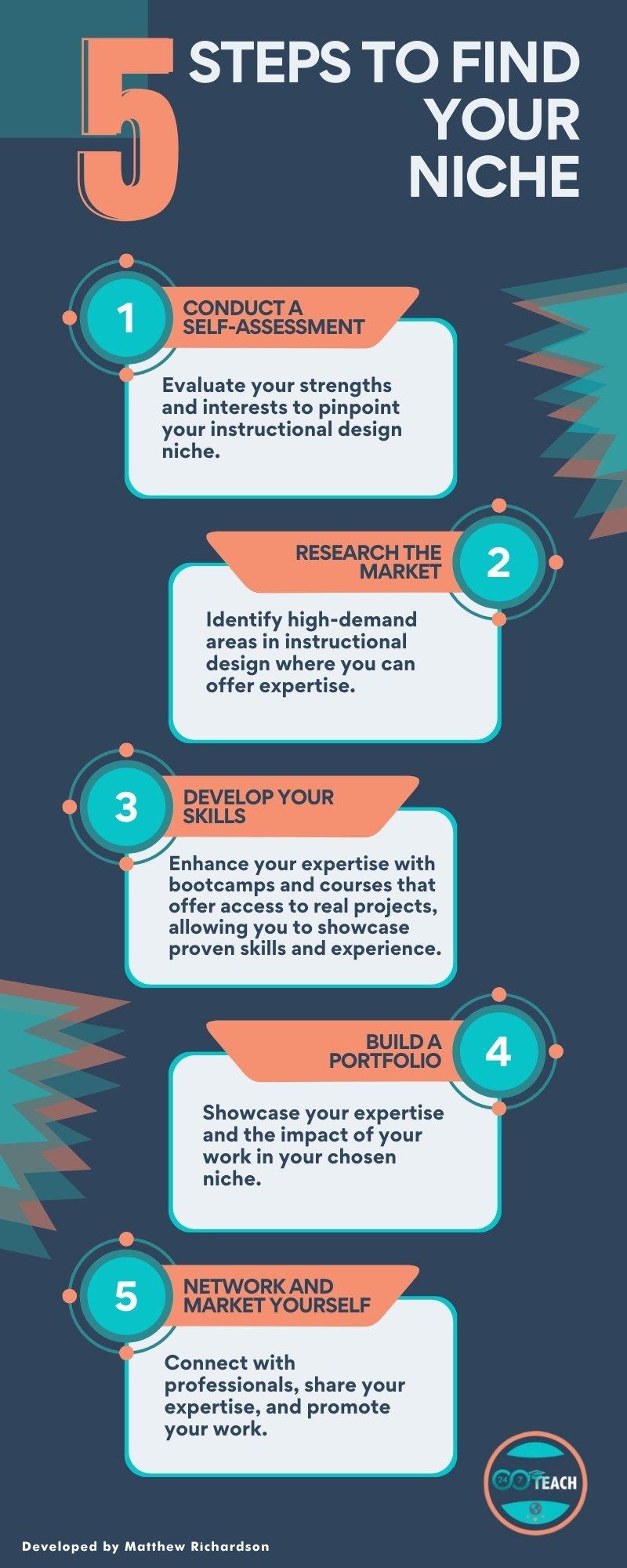
- Build a Diverse Portfolio: Showcase a variety of projects, including eLearning modules, lesson plans, and multimedia assets.
- Stay Current: Regularly attend webinars, workshops, and conferences in educational technology and instructional design.
- Network: Join professional organizations and online communities to connect with experts in the field.
- Gain Technical Skills: Master popular authoring and LMS platforms through online courses or certifications.
- Learn Analytics: Understand educational data analysis to measure the impact of your designs.
- Collaborate: Seek opportunities to work on interdisciplinary teams and practise cross-functional communication.
Instructional Design in K-12 vs higher Education
The role of an instructional designer varies across educational settings:
- K-12 Schools: Focus is frequently enough on creating differentiated instruction and technology-enriched classrooms to meet diverse learning needs and comply with standardized testing requirements.
- Colleges and Universities: Instructional designers design entire degree programs, hybrid and online courses, and specialized training for faculty to leverage digital platforms and learner analytics.
Regardless of the setting, the core mission remains the same: elevate learning and teaching through thoughtful, evidence-based design.
Conclusion: Unlock Success with Instructional Design
in the digital age, the role of the instructional designer is absolutely critical for the success of any educational institution. From creating dynamic learning environments to supporting strategic institutional goals, instructional designers are the linchpin of modern education technology. If you’re seeking a fulfilling career or looking to propel your school, college, or university to new heights, investing in instructional design is the key.Unlock success for your learners and your organization—embrace the power of instructional design today.