
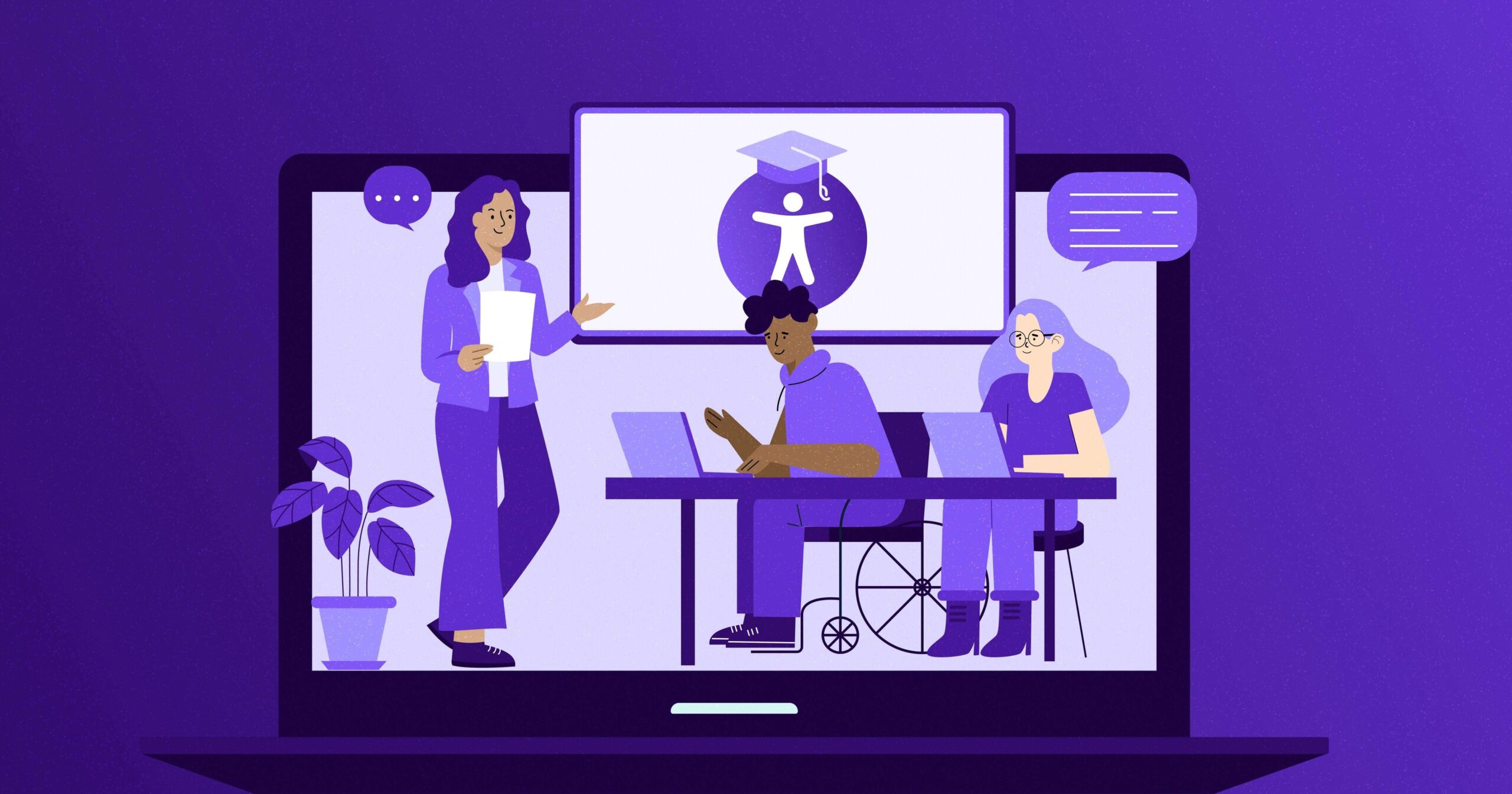
Unlocking Success: Why an Accessibility Specialist Is Essential for Effective Learning Tools
As education technology continues to reshape the learning landscape across universities, colleges, and K-12 schools, the demand for seamless, inclusive, and user-kind digital resources is growing. Behind every effective digital learning tool,there is often someone dedicated to ensuring that all students—irrespective of ability—can access and benefit from the platform. Enter the Accessibility Specialist: a crucial player in the world of EdTech. If you are a job seeker aspiring for a fulfilling career in education technology, understanding the impact and responsibilities of this role can unlock new opportunities for you and ultimately help create equitable learning spaces for everyone.
What Is an Accessibility Specialist in Education Technology?
An Accessibility Specialist in the education technology sector is a professional responsible for ensuring that digital learning tools,resources,and environments adhere to accessibility standards. Their main goal? To make sure educational content and technologies are usable by all students, including those with disabilities. This means collaborating closely with product designers, developers, educators, and administrators to identify and remove barriers to learning.
- They review and test learning platforms for compliance with international accessibility standards (such as WCAG and Section 508).
- They provide training and support to staff to raise awareness about the importance of accessibility in education.
- They play a key role in implementing global design principles in both software and content creation.
Why Accessibility Matters in Learning Tools
Ensuring digital learning tools are accessible is no longer just a matter of good practice—it’s a legal and ethical obligation. when learning materials are designed without considering accessibility, students with disabilities may face important obstacles in their education. here’s why accessibility should be at the forefront of EdTech:
Inclusivity and Equity:
- creates an environment where all students, including those with visual, auditory, cognitive, or mobility challenges, can participate fully.
- Removes barriers to learning, ensuring equal opportunities for academic achievement.
Compliance and Risk Reduction:
- Prevents potential legal repercussions for institutions under laws such as the Americans with Disabilities Act (ADA) and Section 504/508.
- Mitigates risk by fostering a culture of accountability and inclusiveness.
Enhanced Usability for all:
- Well-designed accessible tools benefit not only those with disabilities but all users—for exmaple, captions on videos help both hearing-impaired students and those learning in noisy environments.
Key Responsibilities of an Accessibility Specialist
Curious what an Accessibility Specialist does day-to-day in a university,college,or school setting? Here are the core responsibilities you can expect in this impactful role:
1.Auditing and Evaluating Learning Tools
- Conducting audits of e-learning platforms, digital textbooks, and online assessments to ensure compliance with recognized accessibility standards.
- Identifying gaps and proposing practical solutions to developers and designers.
2.Consulting and Collaborating
- Advising curriculum developers, instructional designers, and faculty members on best practices for accessible course materials.
- Working cross-functionally with IT teams, content creators, and HR personnel to implement and maintain inclusive design strategies.
3. Training and Advocacy
- Creating workshops and resources for staff to promote awareness of accessibility requirements and strategies.
- Advocating for the continuous improvement of learning platforms so they meet the needs of all students.
4. Staying Updated on Accessibility Trends
- Continually learning about advancements in assistive technology and evolving accessibility laws and guidelines.
- Applying the latest industry innovations to education technology projects.
The Benefits of prioritizing Accessibility in EdTech
The contributions of an Accessibility Specialist go far beyond compliance. Institutions that prioritize accessibility enjoy a range of benefits:
- Attract a Diverse Student Body: By removing barriers, institutions become more attractive to students with disabilities, increasing admissions diversity.
- Foster Innovation: Embracing universal design often sparks creative approaches to problems, resulting in more advanced, user-friendly technology.
- Improve Reputation and Trust: schools, colleges, and universities that champion accessibility are recognized as leaders in social obligation and inclusion.
- Enhance Learning Outcomes: When tools are designed for all, student engagement and satisfaction levels rise, leading to better educational outcomes across the board.
Practical Tips for Aspiring accessibility Specialists
If you’re seeking a career as an Accessibility Specialist at a university, college, or school, here’s how you can set yourself up for success:
1. Build a Strong Foundational knowledge
- Learn about accessibility standards and frameworks like WCAG (Web Content Accessibility Guidelines), ADA, and Section 508.
- Study the principles of universal design for learning (UDL).
2. Gain Technical and Analytical Skills
- Develop familiarity with accessibility evaluation tools such as screen readers, color contrast analyzers, and keyboard navigation testers.
- Understand basic web growth, including HTML, ARIA landmarks, and semantic structure, to communicate effectively with developers.
3. Get Certified
- Consider professional certifications such as the Certified Professional in Accessibility core Competencies (CPACC) to stand out to employers.
4.Network and Stay Current
- Join professional groups, forums, and attend conferences related to EdTech and accessibility.
- Keep up-to-date with trends, updates, and new technologies in the field.
5. Sharpen Dialog Skills
- Develop the ability to explain complex accessibility concepts to non-technical stakeholders and to advocate for the needs of all learners.
What Qualifications Do Employers Look For?
Universities, colleges, and schools hiring for Accessibility Specialist roles typically look for:
- Bachelor’s or master’s degree in education, instructional design, computer science, or a related field.
- Experience in web development, user experience (UX) design, or assistive technology.
- Demonstrated knowledge of major disability laws and accessibility compliance standards.
- Strong problem-solving and collaborative skills.
- Proven ability to conduct accessibility audits and implement UDL strategies.
Growing Opportunities for Accessibility Specialists in Education Technology
As digital learning continues to evolve, so too does the importance of inclusive design in the EdTech industry. The growing focus on diversity, equity, and inclusion across educational institutions has led to increased investment in accessible technology. As an inevitable result, roles for accessibility Specialists are expanding rapidly, presenting a wealth of opportunities for those with the right blend of technical expertise and passion for promoting equal access to education.
Conclusion: Making a Difference with Accessibility in EdTech
In the digital age,the role of an Accessibility Specialist in education technology is indispensable for creating equitable and empowering learning experiences for all. By ensuring that learning tools and environments are accessible, you do more than comply with regulations—you unlock success for every learner. For job seekers passionate about fostering inclusion, expanding their skillset, and driving positive change in education, stepping into the role of an Accessibility Specialist offers a purposeful and rewarding career path. Embrace the possibility to be at the forefront of accessible innovation and help shape the future of learning for generations to come.