
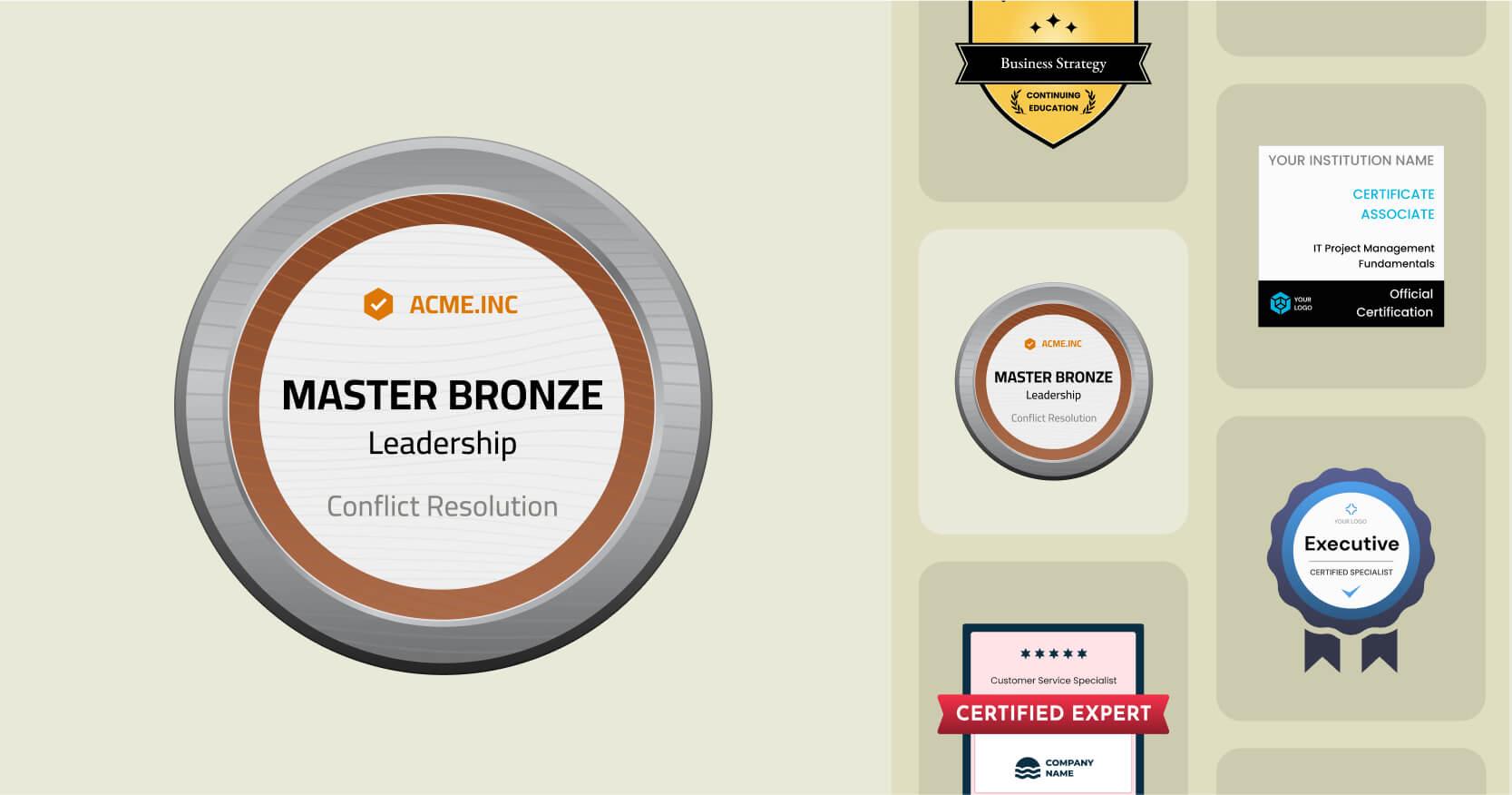
Unlocking Success with Digital Badges: How They Recognise Skills and Achievements
In today’s fast-paced digital world, customary qualifications alone are no longer enough to reflect the diverse range of skills and expertise individuals acquire across their educational, personal, and professional journeys. Digital badges—small, visual, secure, and portable certificates—are reshaping the way achievements and skills are recognised and validated online.As more institutions, educators, and employers embrace digital badges, understanding their value and application becomes key to unlocking new opportunities for success.
What are Digital Badges?
Digital badges are authenticated, web-enabled representations of an individual’s skills, achievements, or experiences. each badge is embedded with detailed metadata that verifies:
- what the badge represents (skill, course completion, achievement, etc.)
- Who issued the badge
- How the badge was earned (criteria and evidence)
- When it was issued
Unlike traditional certificates, digital badges are easily shareable across various platforms—be it a LinkedIn profile, digital résumé, email signature, or a digital portfolio. This portability and verifiability make digital badges a powerful tool for both skill recognition and career advancement.
Why are Digital Badges Importent for Skills Recognition?
The adoption of digital badges answers a growing demand for micro-credentialing and lifelong learning. Here’s why they matter:
- Clarity: badges provide detailed data about what an earner did to achieve them—be it mastering a coding language, completing a leadership seminar, or excelling in teamwork.
- Portability: They can be added to online profiles, resumes, and digital portfolios, showcasing skills to potential employers or collaborators worldwide.
- Motivation: Digital badges encourage users to pursue continuous learning through progressive, stackable achievements.
- innovation in Hiring: Recruiters and HR professionals are increasingly looking beyond degrees to skills-based validation that digital badges provide.
Key Benefits of Using Digital Badges
- Validated Skills Recognition: Digital badges offer trustworthy, verifiable evidence of achievement, eliminating the risk of falsified credentials.
- Enhanced Visibility: Showcasing badges on social media, personal websites, and networking profiles increases exposure to potential employers and educational institutions.
- Personal Branding: Individuals build a unique, transparent skill portfolio that goes beyond the traditional CV.
- increased Engagement: micro-credentialing with digital badges incentivises ongoing learning and development among students and professionals.
- Accessibility and Equity: Digital badges are attainable for all, helping level the playing field for those without formal education pathways.
How Digital Badges Work: From earners to Employers
The journey of a digital badge usually follows this process:
- Acquisition: An individual completes a course, workshop, or skills assessment with a participating issuer (such as a university, online platform, or employer).
- Issuance: After verifying the criteria, the issuer creates and awards the digital badge.
- Storage: Earners can store badges in a digital wallet or credential platform (such as Badgr, Credly,or Open Badge Passport).
- Sharing: The badge can be shared via personal websites, LinkedIn, CVs, and email signatures.
- Verification: Employers or others can click on the badge to see embedded metadata and verify its authenticity.
Popular Platforms that Issue Digital badges
- Coursera
- edX
- Udemy
- LinkedIn Learning
- Google Digital Garage
- Microsoft Learn
- Cisco Networking Academy
Real-World Use Cases and Success Stories
Digital badges are quickly moving beyond education into all sectors of professional development. Here are a few exemplary case studies:
Case Study 1: IBM’s Open Badges
IBM pioneered one of the largest digital badge systems, issuing badges for its workforce and external learners who complete company-sponsored training. Results include:
- Increased employee engagement in learning and upskilling programs
- faster recruitment cycles, as job applicants can demonstrate specific, IBM-endorsed expertise
- A transparent pathway for career progression
Case Study 2: Mozilla Open Badges Initiative
Mozilla launched the Open Badges infrastructure, setting the standard for badge interoperability and verification.This has enabled:
- Universities such as MIT and Duke to certify extracurricular achievements and specialisations
- Youth programs and community groups to formally recognise non-academic skills like teamwork or volunteerism
from the Classroom to the Boardroom
“After earning a series of digital badges in project management and digital marketing, I was able to demonstrate my readiness for a leadership role—even before finishing my degree. The badges let me stand out in a crowded applicant pool.”
— Sonia, Digital Marketing Specialist
Practical Tips: How to Leverage Digital Badges for Career Growth
To maximise the value of digital badges in your personal and professional life, consider the following strategies:
- Choose Accredited providers: Ensure badges are issued by reputable organisations or platforms to ensure recognition and trustworthiness.
- Curate your Digital Portfolio: Use platforms like Credly or Badgr to collect and organise your badges for easy sharing with prospective employers.
- Align Badge earning with Career Goals: Pursue badges that fill skill gaps or enhance expertise in desired fields.
- Share Strategically: Add badges to your email signature, LinkedIn profile, and résumé to increase visibility and credibility.
- Stay Current: new micro-credentials are added regularly, so keep an eye out for relevant new badges.
- Encourage Badge Adoption in Your Organisation: If you’re a manager or HR professional, champion the establishment of digital badge schemes for team development and recognition.
Potential Challenges and How to Overcome Them
As with any innovative technology, the adoption of digital badges is not without its hurdles:
- Lack of Awareness: Not all recruiters or institutions immediately recognise or value digital badges. Combat this by clearly articulating the skills and competencies each badge represents.
- badge Inflation: The proliferation of low-quality badges can dilute trust. Always verify issuers and look for badges with transparent earning criteria.
- Integration Into Traditional CVs: Learn how to embed badge links and explanations effectively in digital and print résumés.
With growing employer and educational awareness, these challenges are increasingly being addressed through standardisation and increased transparency.
The Future of Digital Badges
Trends point toward the continuous growth of digital badges in education, digital credentialing for professionals, and even cross-industry recognition schemes. expect future badges to:
- Leverage blockchain for enhanced security and immutability
- Form the backbone of global, portable lifelong learning portfolios
- Be increasingly integrated into AI-powered hiring and upskilling platforms
- Enable cross-sectoral recognition of soft skills and micro-credentials
Conclusion: embrace Digital Badges to Unlock Your Success
Digital badges are more than just icons—they represent the key to unlocking personal achievement, professional credibility, and lifelong learning opportunities. As the digital badge ecosystem continues to expand and gain recognition, individuals who strategically collect, curate, and showcase their badges will stand out in an increasingly competitive job and education market.
whether you’re an individual looking to advance your career,an educator seeking to motivate students,or an employer eager to nurture high-performing teams,embracing digital badges can set you on the path toward validated,visible,and impactful success. Start your journey today and let your skills speak for themselves in the digital age.