
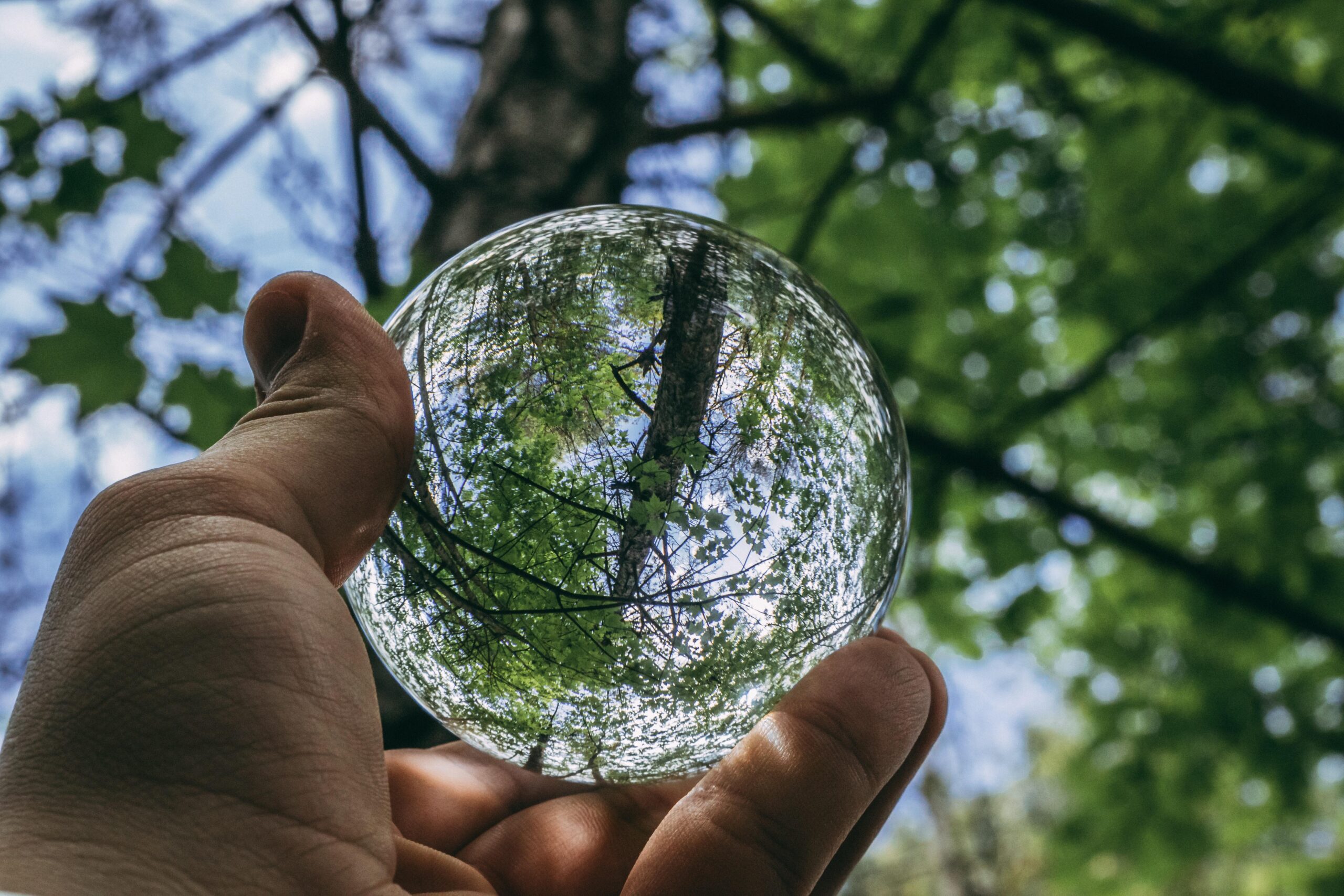
Unlocking Sustainability: How EdTech is Revolutionizing Environmental Education
Sustainability is more than a buzzword—it’s a necessity for our planet’s future. Yet, how we teach and inspire action on environmental challenges has remained largely traditional. Enter EdTech: the powerful intersection of education and technology bringing new life to environmental education. In this article, we’ll explore how EdTech is revolutionizing sustainability, the key benefits, real-world examples, and practical tips to leverage these tools in educational settings.
- Why Environmental Education Must Evolve
- The Role of EdTech in Environmental Education
- benefits of EdTech for Sustainability Learning
- Key Tools and Technologies Transforming Environmental Education
- Success Stories and Case Studies
- Practical Tips for Educators Implementing EdTech
- Conclusion: The Future of Sustainability Through EdTech
Why Environmental Education Must Evolve
Traditional classrooms have long depended on textbooks, lectures, and static materials to introduce sustainability concepts. However, today’s environmental challenges—from climate change to biodiversity loss—are complex, interconnected, and evolving rapidly. To truly unlock sustainability, we need dynamic, real-world education that goes beyond facts and figures.
- Engagement Gaps: Students often find it arduous to relate to abstract environmental issues without interactive,hands-on learning.
- Access & Inclusion: A growing digital divide limits participation in quality environmental education, especially in remote or underserved areas.
- Relevance: Environmental problems vary widely by region; education must be personalized and adaptable.
This is where EdTech in environmental education makes a transformative impact—by bridging gaps, personalizing learning, and equipping future citizens with practical skills and innovative thinking.
The Role of EdTech in Environmental Education
Educational technology (EdTech) encompasses a wide range of digital tools and platforms designed to enhance learning experiences. In the context of sustainability, EdTech offers creative solutions to engage, educate, and empower learners of all ages.
How EdTech Accelerates Sustainability Learning
- Immersive Experiences: Virtual reality (VR) and augmented reality (AR) transport students into rainforests, coral reefs, and endangered habitats for firsthand exploration.
- Interactive Simulations: Software and apps allow users to experiment with variables—like carbon emissions or water usage—and witness real-time impacts on ecosystems.
- Global Classrooms: Connected learning platforms foster international conversations, collaborations, and projects, promoting a global perspective on local challenges.
- Real-Time Data: Access to up-to-date environmental data and citizen science apps enables learners to participate in tracking biodiversity, pollution, and climate trends.
- Personalized Feedback: AI-driven platforms adapt content to individual skill levels and interests, fueling intrinsic motivation and deeper retention.
Benefits of EdTech for Sustainability Learning
Leveraging EdTech in environmental education unlocks new pathways to understanding and action. Here are the top benefits:
- Enhanced Engagement: Gamified quizzes, interactive maps, and VR field trips make complex topics exciting and tangible.
- Broader Accessibility: Cloud-based materials and open educational resources reach learners worldwide, including those in remote or under-resourced communities.
- Scalability: Online courses and MOOCs (Massive Open Online courses) reach thousands, democratizing access to high-quality environmental education.
- Collaboration & Communication: Collaborative tools empower group projects, discussions, and global partnerships tackling real sustainability issues.
- Action-Oriented Learning: Direct involvement in initiatives, from waste reduction campaigns to reforestation projects, fosters leadership and practical skills.
Key takeaway: Integrating EdTech into environmental education can nurture informed, proactive, and environmentally conscious citizens ready to drive change.
Key Tools and Technologies Transforming environmental Education
The digital transformation in education brings a range of innovative tools to sustainability learning:
1. Virtual and Augmented Reality (VR & AR)
- Google Expeditions: Offers virtual field trips to critical ecosystems like the Great Barrier Reef.
- ecomersion (AR): Lets students visualize real-time pollution data overlaid on local maps.
2. Gamified Learning Platforms
- EcoChallenge: an app-based platform where students compete in real-world eco-amiable tasks, earning badges while reducing their carbon footprint.
- SimCityEDU: Turns city management into lessons about resource allocation and environmental impacts.
3. E-Learning and Global Collaboration Tools
- khan Academy Environment & Ecology Modules
Accessible,self-paced micro-lessons on sustainability topics. - Padlet & google Classroom: Facilitate interactive project boards and collaborative learning around environmental issues.
4. Citizen Science and Data Analysis platforms
- iNaturalist: Empowers learners to document local biodiversity, contributing to global databases.
- globe Observer: Connects students to NASA data and environmental monitoring projects.
5. Artificial Intelligence (AI) and Personalized Learning
- Quizziz & Edpuzzle: AI-enhanced question banks and video quizzes adapt to learners’ mastery levels,reinforcing sustainability concepts.
- Custom Dashboards: Real-time analytics enable teachers to assess impact and tailor lessons to class needs.
Success Stories and Case Studies
Case study 1: VR Simulations in Schools
GreenFrame Schools in the UK integrated virtual reality modules on climate change. Students “visited” Arctic glaciers and Amazon rainforests, leading to a measurable increase in environmental literacy and empathy—80% of students reported increased awareness of climate impacts, and participation in school sustainability projects doubled within six months.
Case Study 2: Global learning Through MOOCs
The SDG Academy hosts massive open online courses on sustainability and climate action, accessible worldwide. Over 100,000 students from more than 190 countries have participated, many going on to launch local eco-initiatives or career paths in environmental science.
Case Study 3: Real-Time citizen Science
A high school in Kenya partnered with iNaturalist for a biodiversity mapping project. Students documented over 1,200 species in their community, and their data is now used by local conservation groups and researchers globally.
Practical Tips for Educators Implementing edtech
Ready to unlock the power of EdTech for sustainability in your classroom or organization? Here are key tips:
- Start Small: Pilot one or two EdTech tools, like interactive quizzes or Google earth, before scaling up.
- Integrate Real-World Projects: Combine digital learning with local action—such as collecting data on campus waste or organizing digital environmental awareness campaigns.
- Foster Collaboration: Create cross-class or international partnerships to broaden perspectives and share solutions.
- Ensure Accessibility: Use open-source and mobile-friendly platforms to include all learners, regardless of device or bandwidth.
- Continuous Training: Stay updated with EdTech innovations through webinars, blogs, and educator communities.
- Encourage Student-Led Initiatives: Allow students to lead digital awareness campaigns and sustainability challenges, promoting ownership and innovation.
Conclusion: the Future of Sustainability Through EdTech
The world needs creative thinkers and change-makers ready to tackle environmental challenges head-on. by integrating EdTech with environmental education, we open up immersive, accessible, and transformative learning experiences that extend far beyond the classroom. Whether you’re an educator, policymaker, or eco-advocate, embracing these tools is the key to unlocking sustainability and empowering the next generation for a greener, brighter future.
Want to learn more? Check out our resources on the best EdTech tools for schools and effective environmental education strategies.