
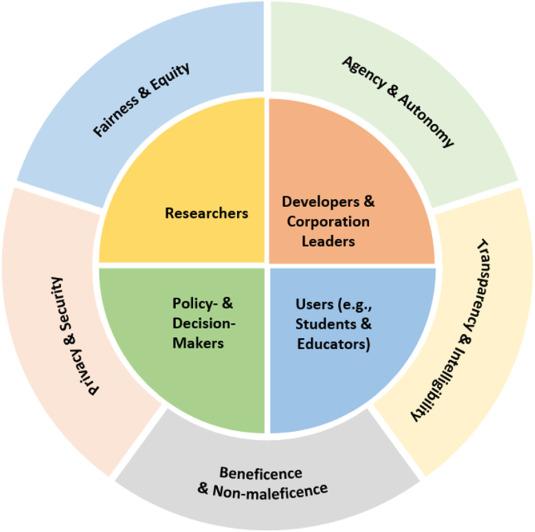
Unlocking the Ethical considerations of AI in Education: Key Challenges and Solutions
Artificial Intelligence (AI) is rapidly transforming the landscape of education worldwide. From personalized learning paths to automated grading and bright tutoring systems,AI-powered education tools promise unprecedented benefits for students and educators alike. Though, the surge of AI technologies also brings a unique set of ethical considerations in AI in education, raising pivotal questions about bias, privacy, transparency, and accountability. In this extensive guide, we’ll explore the main ethical challenges associated with AI in education and offer actionable solutions for schools, teachers, and policymakers.
Why Ethical Considerations in AI Education Matter
AI’s growing presence in classrooms has made it essential to balance innovation with responsibility. As algorithms increasingly shape learning experiences,they must align with educational values,human dignity,and societal norms. By addressing ethical considerations head-on, we can:
- Protect student privacy and autonomy
- Reduce algorithmic bias and inequality
- Build trust among educators, parents, and students
- Ensure that technology serves – rather than replaces – educators
Key Ethical Challenges of AI in Education
The integration of AI in education comes with a range of ethical issues. Below, we outline the most pressing concerns:
1.Data Privacy and Security
- Massive Data Collection: AI tools collect sensitive student data,including demographics,academic performance,behavioral patterns,and even emotional responses.
- Risks: Unauthorized data access, cyberattacks, or misuse of personal data threatens students’ privacy and safety.
Solution: Implement robust data governance policies, limit data collection to only what is necessary, and use advanced encryption techniques to safeguard student information.
2. Algorithmic Bias and Fairness
- Bias in AI: AI systems can perpetuate existing biases or create new forms of discrimination if trained on unrepresentative data.
- Impact: Disadvantaged students may receive lower-quality recommendations or unfair assessments.
Solution: Regularly audit AI algorithms for bias, diversify training datasets, and involve multidisciplinary teams when developing educational AI systems.
3. transparency and Accountability
- Black Box Problem: AI models often function without clear clarification, making it hard for educators and students to understand or challenge decisions.
- Lack of Accountability: Who is responsible if an AI-based system makes a harmful recommendation or error?
Solution: Prioritize explainable AI, provide clear documentation of system logic, and establish accountability frameworks involving educators, vendors, and policymakers.
4. Autonomy and Human Oversight
- Reduced Human Agency: Over-reliance on AI can diminish teacher and student autonomy in decision-making.
- Depersonalization: Automated interactions may lack empathy or miss nuances vital to student advancement.
Solution: Maintain humans-in-the-loop for key decisions, ensure AI augments rather than replaces educators, and foster teacher digital literacy.
5. equity and Accessibility
- Digital Divide: Not all schools have equal access to AI technologies, risking increased educational inequality.
- Inclusive Design: Some AI tools might not accommodate students with disabilities or from diverse backgrounds.
Solution: Develop accessible and affordable AI solutions, involve marginalized groups in design/testing, and advocate for equitable funding.
Benefits of ethical AI Integration in Education
Ethically implemented AI can be a powerful force for good in education. Here are some notable benefits:
- personalized learning experiences tailored to individual strengths and needs
- Time-saving automation for teachers, allowing a greater focus on instruction
- Early identification of learning difficulties and timely interventions
- Increased engagement through adaptive and interactive content
- More precise educational planning and resource allocation based on data insights
practical Tips for Schools and Educators
- Educate Stakeholders: Offer professional development for teachers, students, and parents on AI basics, potential risks, and ethical considerations.
- Choose trusted Vendors: Work only with AI providers who comply with data protection laws (like GDPR or FERPA), provide documentation, and commit to ethical standards.
- Establish Clear Policies: Develop and regularly update policies for responsible AI usage, data handling, and incident reporting.
- Promote human Oversight: Keep educators involved in monitoring AI outputs and overriding automated decisions as needed.
- Involve the Student Voice: solicit feedback from students to refine AI systems and ensure they align with learners’ needs and values.
AI in Education Case Studies: Learning from Real-World Experience
Case Study 1: Reducing Bias with Diverse Data
The Challenge: A major school district using an AI-driven learning platform found that students from non-English-speaking households were underperforming due to unrepresentative training data.
The Solution: The platform developer partnered with local stakeholders to expand and diversify the dataset, resulting in improved recommendations and fairness across demographics.
Case Study 2: Transparency in Automated Grading
The Challenge: Teachers and students in a leading university were frustrated by opaque AI grading systems.
The Solution: The university adopted only explainable AI tools and provided workshops explaining the grading algorithms.This led to increased trust and more informed appeals processes.
Conclusion: Building a responsible AI Future in Education
As Artificial intelligence continues to shape the future of education,it is crucial to address the ethical challenges head-on.Prioritizing data privacy, minimizing bias, ensuring transparency, and enhancing equity are not just lofty ideals; they’re essential steps for building an inclusive and effective learning surroundings. By engaging all stakeholders—educators, students, parents, technologists, and policymakers—we can unlock the vast benefits of AI in education while upholding the highest ethical standards. With intentional and principled action, AI can truly empower both teachers and students, creating pathways to success and innovation in the digital age.