
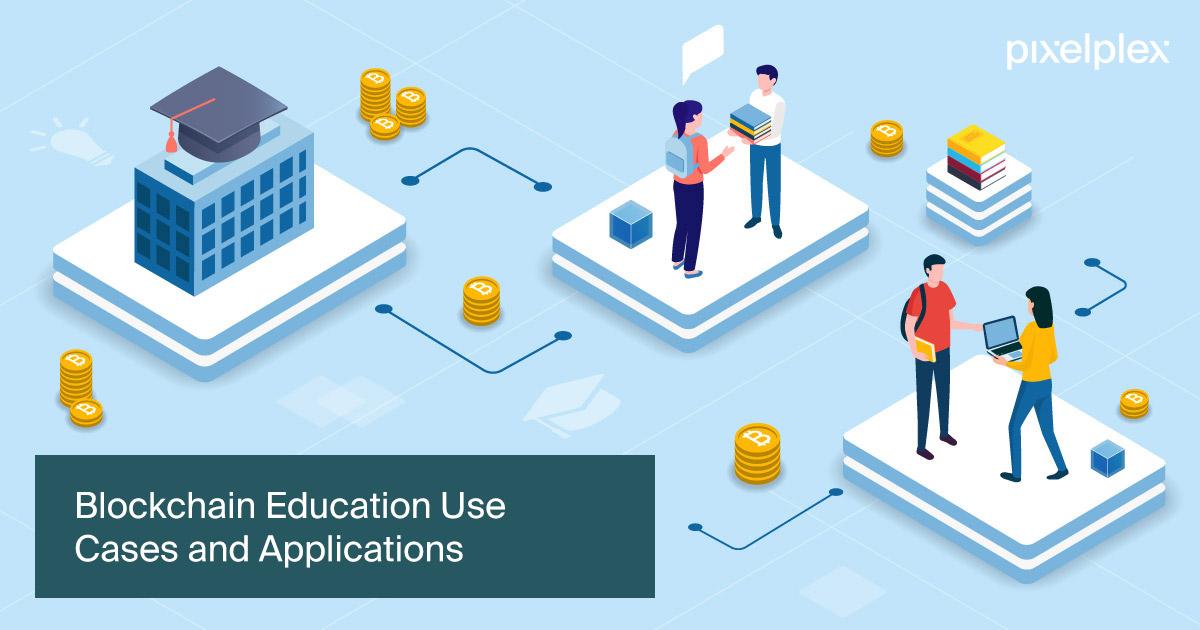
Unlocking the Future: Case Studies of Blockchain in Higher education Transformation
Blockchain technology is rapidly transforming industries, and higher education is no exception. As institutions adapt to the digital age, the use of blockchain in higher education has become a pivotal factor in fostering openness, integrity, and efficiency. From secure credentialing to streamlined admissions processes, blockchain’s integration is paving the way for a future-ready education ecosystem. In this article,we explore compelling case studies of blockchain in higher education,highlight its benefits,and offer actionable insights for educational institutions ready to embrace this innovative technology.
What Is Blockchain in Higher Education?
Blockchain technology is a decentralized digital ledger that securely records transactions across multiple computers. When applied to higher education, blockchain offers a tamper-proof system for managing academic records, verifying credentials, sharing transcripts, and streamlining administrative tasks. This minimizes fraud, increases transparency, and empowers students to control their educational data.
Benefits of Blockchain in Higher Education
- Credential Verification: Immediate and tamper-proof validation of diplomas, certificates, and transcripts.
- streamlined Administration: Automation of record-keeping reduces errors and administrative overhead.
- Enhanced Data security: Decentralized databases lower risks of data breaches and unauthorized access.
- Student Empowerment: Learners gain ownership and control over their academic achievements.
- Global Portability: Academic records are easily transferable across borders and institutions.
Case Studies: How Blockchain Is Transforming Higher Education
Leading universities and organizations worldwide are adopting blockchain to revolutionize educational processes. Let’s explore some of the most impactful real-world blockchain in higher education case studies.
1. MIT’s Digital Diplomas Initiative
The Massachusetts Institute of Technology (MIT) pioneered the use of blockchain by issuing digital diplomas to graduates via the Blockcerts platform. Students received a secure, verifiable certificate accessible through mobile devices.
- Impact: Graduates can instantly share their credentials with employers and institutions, eliminating the need for physical verification.
- Results: The project reduced credential fraud and administrative costs while enhancing graduates’ autonomy.
2. European Commission’s EBSI Initiative
The European Blockchain Services Infrastructure (EBSI) is a European Union-backed project that leverages blockchain for academic credentialing across participating countries.
- scope: Secure digital diplomas and cross-border credential recognition among EU member states.
- Outcome: Students can use a single and verifiable academic portfolio for mobility across Europe, simplifying the transfer and acceptance of qualifications.
3. university of Nicosia’s Blockchain-Powered Transcripts
The University of Nicosia in Cyprus is renowned for offering blockchain-verifiable degree certificates and transcripts. They integrated blockchain into their Open university Certification Suite.
- Effect: Students, employers, and institutions can.verify credentials in real-time, combating credential fraud.
- Reputation: The university has attracted global recognition and increased enrollment by positioning itself as a blockchain education leader.
4. Malaysia’s Ministry of Education and MyeScroll
To address fake degree syndicates, Malaysia’s Ministry of Education launched myescroll — a blockchain-based platform for issuing and verifying university degrees.
- benefit: Employers, both local and global, can instantly confirm graduate credentials, promoting trust in Malaysian qualifications.
- Result: Marked reduction in degree forgeries and a boost in institutional credibility.
5. Sony Global Education and Blockchain Course Certificates
Sony Global Education has developed a platform that allows various educational organizations to issue blockchain-based course certificates and share educational data securely.
- Purpose: facilitates seamless certification sharing and trusted data exchange between partnering institutions.
- Impact: Promotes continuous learning and interoperability between educational systems worldwide.
First-Hand experiences: Insights From early Adopters
“The integration of blockchain technology in our certification process has streamlined operations and strengthened our academic integrity. Employers no longer need to second-guess the authenticity of our graduates’ credentials.”
— dr. Christos Vlachos, University of Nicosia
Many students echo these benefits, sharing how digital credentials have accelerated job search processes and facilitated smoother admissions for graduate studies.
Practical Tips for Implementing Blockchain in higher Education
For institutions looking to harness the future of blockchain in education, consider these practical recommendations:
- Start with Pilot Projects: Begin blockchain implementation in a single department or for a specific credential.
- Engage Stakeholders: Collaborate with students, faculty, employers, and IT professionals to ensure buy-in and smooth adoption.
- partner with Technology Providers: Leverage expertise from established blockchain platforms to minimize developmental risks and overheads.
- Prioritize Data Privacy: Adhere to strict data protection regulations (such as GDPR) when developing blockchain-enabled solutions.
- Focus on Interoperability: Opt for open standards, enabling your blockchain systems to integrate seamlessly with external education platforms.
- Promote digital Literacy: Educate students and staff on the benefits and use of blockchain credentials.
Key Considerations and Challenges
While blockchain in higher education offers compelling advantages, institutions must navigate several challenges:
- Technical complexity: Blockchain infrastructure deployment can be resource-intensive and requires specialized expertise.
- Standardization: Lack of standard frameworks can hinder widespread adoption or cross-institutional recognition.
- Regulatory Compliance: Ensuring compliance with local and international education laws is essential.
- Cultural change: Transitioning from paper-based to digital-first processes involves overcoming resistance and adapting mindsets.
The Future of higher Education: Embracing Blockchain Innovation
As digital transformation in education accelerates, blockchain will play an increasingly vital role in shaping responsive, secure, and student-centered institutions. Current trends suggest the adoption of blockchain-powered student records,decentralized learning platforms,and micro-credentialing systems will become mainstream.
- Personalized learning journeys: Blockchain can aggregate verified achievements from multiple institutions,enabling lifelong learning portfolios.
- Global Collaboration: Clear and trustworthy student records foster international academic partnerships and mobility.
- Automated Credential Recognition: Smart contracts can automate course equivalency and credit transfers.
Conclusion
Blockchain is unlocking the future of higher education by creating secure, verifiable, and portable academic records. As demonstrated by MIT, the European Commission, the university of Nicosia, and others, the benefits of blockchain are tangible and transformative. Institutions willing to embrace this technology will position themselves at the forefront of innovation, trust, and global collaboration. By carefully planning, engaging stakeholders, and prioritizing security and interoperability, higher education can transform to meet the demands of a fast-changing digital world.
Ready to explore or implement blockchain in your institution? Start with a small pilot, learn from early adopters, and join the wave of blockchain-driven higher education transformation.