
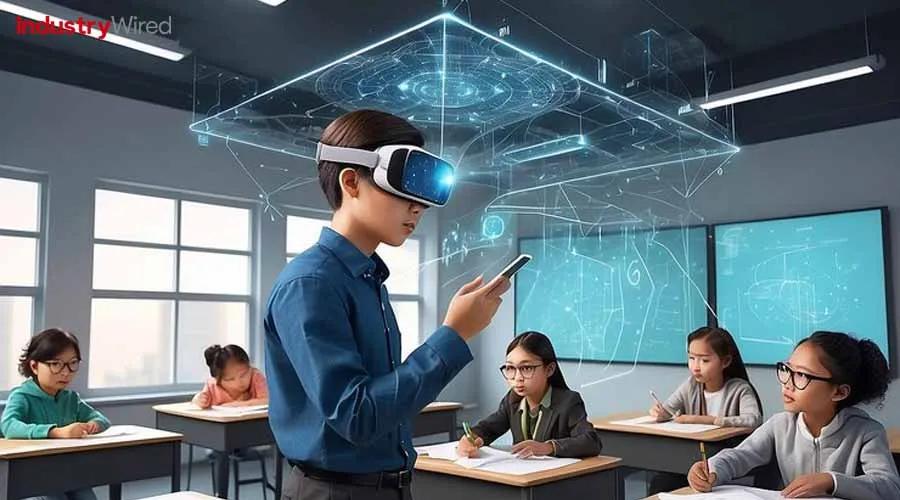
Unlocking the Future: Effective Strategies for training Teachers in VR/AR Classroom Tools
Virtual Reality (VR) and Augmented Reality (AR) are revolutionizing the educational landscape by making lessons more interactive, immersive, and engaging. Integrating VR/AR classroom tools is no longer a distant dream—itS a powerful reality for forward-thinking schools worldwide. However, the key to unlocking their full potential lies in effective teacher training. In this complete guide, we explore cutting-edge strategies for training educators to confidently and successfully use VR/AR technologies in the classroom.
Why Teacher Training in VR/AR tools Matters
Before we dive into strategies, it’s essential to understand why training teachers in VR/AR classroom tools is critical. Untrained teachers may feel overwhelmed by new technology, leading to adoption failure, wasted resources, and suboptimal student outcomes. investing in robust professional development empowers educators to:
- Deliver immersive, engaging lessons that boost student outcomes
- Develop the confidence to troubleshoot and integrate new technologies
- Foster digital literacy and future-ready skills for students
- Maximize school investment in educational technology
The Benefits of VR/AR in the Classroom
- Enhanced Engagement: VR/AR creates captivating and interactive experiences, holding students’ attention longer than conventional methods.
- Deeper understanding: Complex concepts (like molecular biology or world history) become more tangible with 3D models and simulations.
- personalized Learning: Students can learn at their own pace in a risk-free virtual environment.
- Real-World Application: VR/AR tools bridge theory and practice, preparing students for modern workforce demands.
Effective Strategies for Training Teachers in VR/AR Classroom Tools
Comprehensive teacher training in VR/AR technologies should blend practical experience, pedagogical theory, and ongoing support. Below,we outline winning strategies that empower educators for the classroom of the future.
1. start with Foundational Workshops
- Onboarding Sessions: Organize introductory workshops to familiarize teachers with VR/AR hardware and software.
- Hands-On Demonstrations: Let educators experience immersive scenarios as students first, lowering anxiety and kindling curiosity.
- use Case Sharing: Review examples of VR/AR lesson plans from peer institutions to highlight potential applications.
2. Provide Structured Professional Development
- Multi-session Training: Offer a sequence of workshops,each delving deeper into different aspects of VR/AR integration.
- Online Courses & Webinars: Provide access to asynchronous learning, enabling educators to learn at their own pace.
- certification Programs: Motivate participation by offering credentials for mastering VR/AR classroom tools.
3. Utilize Peer Learning and Mentorship
- Train-the-Trainer Programs: Select tech-savvy teachers to become in-house experts who support colleagues.
- Collaborative Lesson Planning: Encourage teachers to co-create VR/AR lesson plans, share challenges, and celebrate successes.
- Online Communities: Establish virtual forums or social groups for ongoing discussion and resource exchange.
4. Offer Personalized and Just-in-Time Support
- Coaching & Technical Assistance: Provide instant troubleshooting and pedagogical advice through onsite or virtual coaches.
- Step-by-Step Guides: Develop resource-rich manuals with visual aids and video tutorials tailored to specific VR/AR platforms.
- Flexible Scheduling: Allow teachers to request support when needed,fitting into their unique teaching schedules.
5. Integrate real Classroom Practice
- Microteaching Labs: Set up experimental classrooms where teachers can practice delivering VR/AR lessons in a safe,supportive environment.
- Student Feedback Loops: Encourage teachers to gather student input on lessons,refining their approach with real-time insights.
Practical Tips for Triumphant VR/AR Teacher Training
- Begin with low-cost or easily accessible VR/AR tools before scaling up investments.
- Integrate existing curriculum goals with VR/AR activities for meaningful learning outcomes.
- Encourage continuous experimentation—allow teachers the space to try, fail, and iterate.
- Document and share best practices regularly to cultivate a culture of innovation.
- Ensure accessibility considerations are included to support diverse learners and educators.
Case Studies: Inspiring Success Stories
Case Study 1: The Immersive Science Lab
One U.S. middle school launched a training program for science teachers using VR software to simulate biological cell exploration. Teachers attended three hands-on workshops, culminating in live demonstrations with students. Within a semester, standardized test scores and science engagement metrics rose markedly, and four teachers became in-house VR coaches.
Case Study 2: Global History in AR
In the UK, a network of primary schools invested in AR apps bringing past landmarks to life. Teachers collaborated on curriculum-aligned lesson plans during monthly meetups and participated in online coaching groups. Not only did students report increased subject interest, but teachers voiced more confidence and creativity in technology integration.
First-Hand Experiences: Insights from Educators
“Initially, VR seemed intimidating, but hands-on sessions and support from my peers made all the difference.Now, my students look forward to virtual field trips, and I feel like a 21st-century educator.”
— Ms. Angela Reyes, 5th Grade Teacher
“The immediate help from our IT coach every Friday was a game changer. Knowing I wasn’t alone meant I took more risks, and my lessons are better for it.”
— Mr. Jacob Klein, high School Social Studies
Overcoming Challenges in VR/AR Teacher Training
- resource Constraints: Leverage free VR/AR apps and encourage resource sharing among departments.
- Technological Comfort: Allow self-paced learning to accommodate different starting points for teachers.
- Time Limitations: Embed VR/AR training into existing professional development days or PLCs (professional Learning Communities).
- Assessment Alignment: Provide frameworks for integrating VR/AR experiences with established learning objectives and assessments.
Conclusion: Building Future-Ready Educators
the advent of VR/AR classroom tools signals a bold leap forward in educational innovation. Yet, technology alone cannot transform learning—empowered, confident teachers must lead the way. By investing in effective training strategies, schools not only unlock the future for their students but also equip educators to thrive in the fast-evolving digital age. Whether through workshops, mentorship, or hands-on practice, ongoing professional development in VR/AR will be the keystone of tomorrow’s interactive and inspiring classrooms.
Incorporate these best practices for VR/AR teacher training and watch your school’s digital transformation accelerate—one empowered educator at a time.