
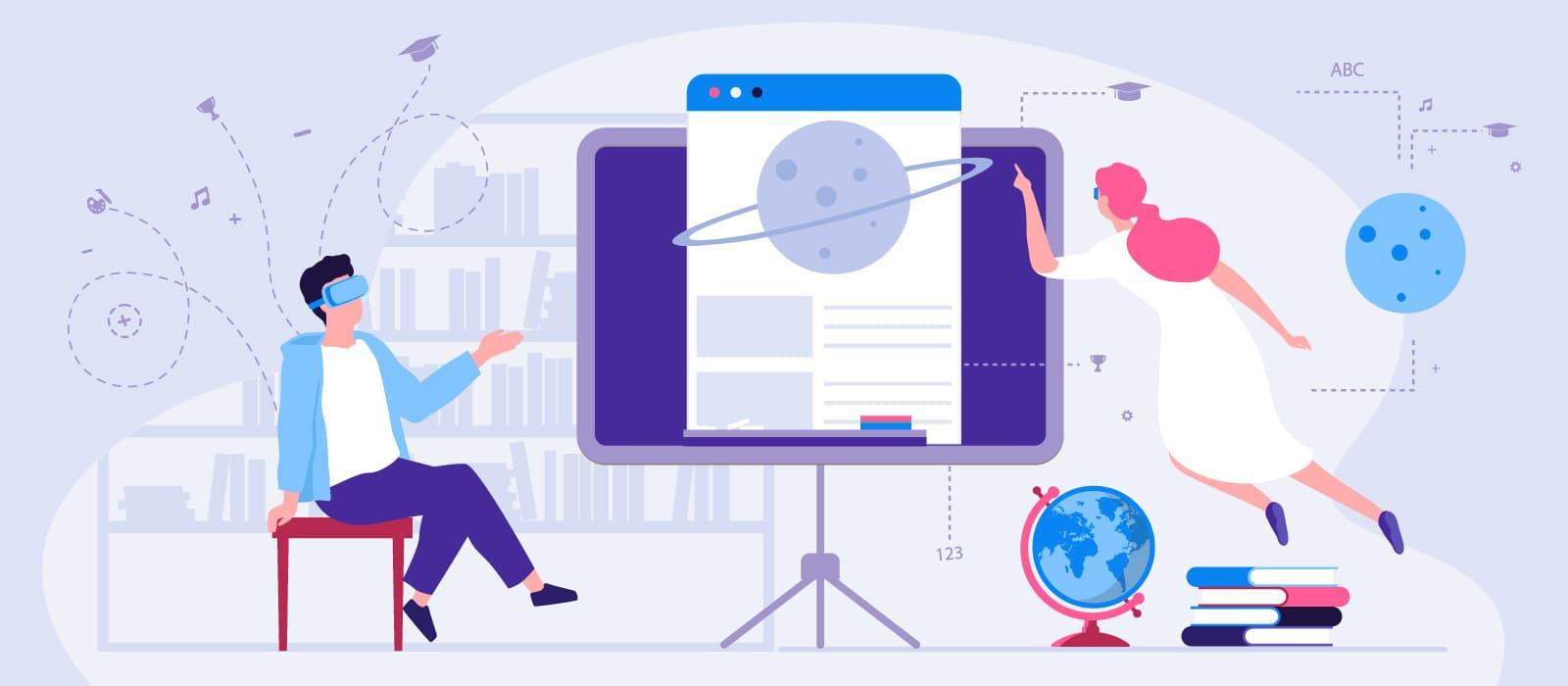
Unlocking the Future: Effective Strategies for Training Teachers in VR/AR Tools
Virtual Reality (VR) and augmented Reality (AR) are revolutionizing educational landscapes across the globe. These immersive technologies are not only captivating students’ attention but are also transforming how educators teach, engage, and inspire. As more schools integrate VR/AR tools, the demand for effective VR/AR teacher training strategies has never been higher. How can schools, administrators, and professional growth coordinators successfully train teachers in VR/AR tools? This comprehensive guide will show you the way.
Why Invest in VR/AR Training for Teachers?
Before diving into actionable strategies, it’s crucial to understand why VR and AR teacher training is a vital investment:
- Empowers Teachers: Teachers equipped with VR/AR skills can unlock new levels of creativity and engagement in the classroom.
- Boosts Student Learning: Immersive experiences make abstract concepts tangible and memorable for learners of all ages.
- Keeps Curriculum relevant: Embracing emerging technology prepares students for future careers and keeps education at the cutting edge.
- Encourages Lifelong Learning: Teachers develop adaptability and confidence as they embrace new tools and teaching methods.
Benefits of VR/AR in Education
Understanding the advantages drives motivation and buy-in from staff and stakeholders. Here are the top benefits:
- Immersive Engagement: VR/AR environments foster interactive, hands-on learning.
- Personalized Learning: Teachers can tailor experiences to suit different learning styles and needs.
- Safe Experimentation: Simulations allow students and teachers to experiment in a safe, controlled setting.
- Collaboration: VR/AR facilitates virtual field trips and real-time collaboration from anywhere.
- Boost in Retention: Studies show that immersive learning can improve knowledge retention and recall.
Key Strategies for Training Teachers in VR/AR Tools
Rolling out VR/AR professional development requires smart planning and an in-depth understanding of educators’ needs. Below are the strategies proven to work.
1. Begin with Foundational Knowledge
- Offer introductory workshops that demystify basic VR and AR concepts, equipment (such as Merge Cube, Google Expeditions, Oculus Quest), and educational applications.
- Provide clear guides, glossaries, and hands-on demonstrations to reduce intimidation and increase confidence.
2. Incorporate Hands-On Training
- Schedule live demo sessions with real VR/AR content relevant to teachers’ subjects.
- Use sandbox environments where teachers can practice lesson implementation and classroom management within VR/AR spaces.
3. Foster Ongoing Professional Learning Communities (PLCs)
- Create safe spaces—both online and in-person—where teachers share insights, troubleshoot, and exchange lesson ideas for immersive technology.
- Encourage peer mentoring; pair tech-savvy educators with novices.
4. Provide access to Quality VR/AR Content Libraries
- Curate vetted resources such as Google Expeditions, CoSpaces Edu, and Nearpod VR.
- Provide guidance on how to evaluate, adapt, and create VR/AR experiences aligned with curriculum goals.
5. Embed VR/AR Training in Lesson Planning
- Support teachers to integrate VR/AR tools into everyday lesson planning—not as add-ons, but as transformative teaching methods.
- Offer exemplar lesson plans and templates that demonstrate best practices in immersive pedagogy.
6. Measure Progress and Provide Feedback
- set clear goals, such as “teachers will design and deliver one VR/AR activity per quarter.”
- Offer constructive, ongoing feedback through classroom observations and self-reflection tools.
7. Make it Accessible and Inclusive
- Choose VR/AR tools that accommodate diverse learning needs,abilities,and varying levels of access to hardware.
- Address accessibility by training teachers to use built-in features (like voice commands, captioning, or haptic feedback).
Practical Tips for Successful VR/AR Teacher Training
- Start Small: Pilot programs with a core group of teachers can help iron out challenges before scaling up.
- Integrate gamification: Use leaderboards, completion badges, and challenges to motivate teacher participation.
- Document and Share Successes: Share case studies, testimonials, or short videos of teachers using VR/AR effectively in their classrooms.
- Leverage External Partnerships: Work with tech providers or local universities for expert-led training workshops.
- Offer Flexible Learning Paths: Blend in-person and online professional development modules to suit different schedules and learning preferences.
Case Studies: VR/AR Training in Action
case Study 1: Empowering Science Teachers with AR Simulations
At Jefferson High School, a year-long AR teacher training program helped science teachers integrate interactive simulations into lessons.Teachers reported a 30% increase in student engagement and a boost in test scores. The key? Continuous peer coaching and a shared content repository.
Case Study 2: Virtual Field Trips Ignite History Classes
Lincoln Middle School’s pilot project provided history teachers with VR headsets and virtual reality resources. After structured workshops and ongoing tech support, teachers took students on virtual field trips to ancient sites. Surveys revealed improved student curiosity and comprehension.
Firsthand Experience: A Teacher’s Perspective
“After attending my first VR professional development session,my teaching world opened up. I started small—using 360-degree videos in geography lessons,but soon,with supportive colleagues and lots of practice,I was able to co-create a virtual cell biology lab. Both my confidence and my students’ excitement soared!”
— Sarah T., High School Biology Teacher
Overcoming Challenges in VR/AR Teacher Training
Of course, effective VR/AR teacher training comes with its hurdles. Here’s how to tackle them:
- Budget constraints: Opt for cost-effective headsets or smartphone-based VR viewers, and seek grants or partnerships for larger investments.
- Time Limitations: Integrate short, actionable modules into existing professional development time, and provide asynchronous e-learning courses.
- Tech Hesitancy: Build confidence gradually, celebrate small wins, and ensure consistent, amiable tech support.
- Infrastructure Barriers: Invest in high-speed Wi-Fi and hardware only as needed. Emphasize cloud-based and web VR/AR apps that work across devices.
Conclusion: preparing Teachers for Tomorrow’s Classrooms
Immersive technology is not a fleeting trend—itS shaping the future of education. By investing in robust VR/AR teacher training strategies, schools equip educators to create transformative learning experiences. With curiosity, collaboration, and ongoing support, teachers can confidently bridge the gap between emerging technology and effective pedagogy. Now is the time to unlock the future—one immersive lesson at a time.