
Unlocking the Future: Effective Strategies for Training Teachers to Use VR/AR tools in the Classroom
Virtual Reality (VR) and Augmented Reality (AR) are reshaping the world of education, offering interactive learning experiences that ignite curiosity and deepen understanding. however, the accomplished integration of these cutting-edge technologies largely depends on how effectively teachers are trained to use VR/AR tools in the classroom. This thorough guide will walk you through effective strategies, practical tips, and real-world case studies to ensure educators are confident and prepared to harness the power of immersive learning.
Why Is Training Teachers to Use VR/AR tools Crucial?
Introducing VR and AR in education empowers teachers to bridge the gap between theory and practise. Though, this transition demands more than just new hardware; it requires robust VR/AR teacher training programs that focus on pedagogical as well as technical skills. Here’s why specialized training is key:
- Boosts Teacher Confidence: Hands-on experience reduces the fear of new technology.
- Enhances Student Engagement: Trained teachers can create captivating lessons, increasing participation.
- Promotes Digital Literacy: Teachers become role models for responsible and effective tech use.
- Improves Learning Outcomes: Confident educators use VR/AR to meet curriculum goals and cater to diverse learning needs.
Key Benefits of VR/AR in the Classroom
- Immersive learning Experiences: VR and AR take students on virtual field trips, simulate science labs, and bring abstract concepts to life.
- Increased Retention Rates: Interactive, multi-sensory lessons improve memory recall.
- Personalized Education: Teachers can tailor VR/AR experiences to individual learning styles and paces.
- Enhanced Collaboration: Tools like virtual labs encourage teamwork and problem-solving.
Effective Strategies for Training Teachers on VR/AR Tools
To ensure a smooth transition to immersive learning, schools should adopt a holistic approach. Below are proven strategies to train teachers for VR/AR classroom integration:
1.Start with Foundational Workshops
- Begin with introductory workshops that explain VR and AR concepts, applications, and classroom benefits.
- Demonstrate hardware and software basics to eliminate initial apprehension.
- Highlight successful VR/AR case studies in education for inspiration.
2. Offer Hands-On Learning Opportunities
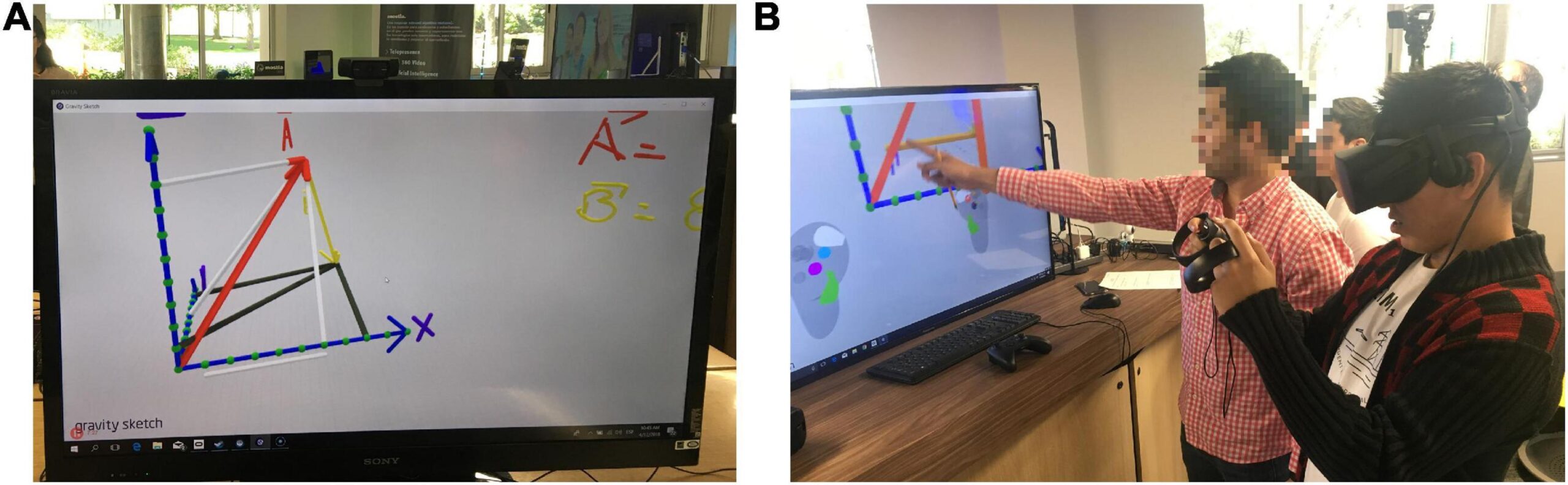
- Engage teachers in interactive VR/AR demo sessions where they can explore tools as both instructors and learners.
- Use real lesson scenarios so teachers practice integrating these technologies within their subject areas.
3. Develop On-demand Online Resources
- Create a repository of video tutorials, interactive guides, and troubleshooting FAQs.
- Include resource directories for curriculum-aligned VR/AR content and lesson plans.
4. Establish peer Mentorship and Support Networks
- Pair teachers with VR/AR experience to mentor beginners, foster collaboration, and share best practices.
- organize regular group discussions or virtual meet-ups to troubleshoot challenges and celebrate successes.
5. Provide Continuous Professional Development
- Incorporate VR/AR workshops into ongoing professional development programs.
- Encourage participation in external seminars, conferences, and certification courses on immersive technology in education.
6.Encourage Experimental and Inquiry-Based Learning
- Foster an experimental mindset—encourage teachers to explore, fail, learn, and adapt in a supportive surroundings.
- Celebrate innovative lesson plans that leverage VR/AR for inquiry-driven learning.
7. Integrate Feedback and Assessment Mechanisms
- Collect regular feedback from teachers to refine training programs and resources.
- Assess teacher proficiency with VR/AR tools through practical demonstrations and student feedback.
Practical Tips for Successful VR/AR Teacher Training
- Start Small: Choose one subject or lesson to experiment with before scaling VR/AR usage school-wide.
- Emphasize Accessibility: Opt for user-friendly platforms compatible with existing classroom devices.
- Plan for Infrastructure: Ensure reliable Wi-Fi, sufficient headsets, and ongoing tech support.
- Promote Student Agency: Train teachers to facilitate, not dominate, the learning process, empowering students to explore and interact.
- Address Equity: Provide strategies for inclusive VR/AR practices that accommodate all learners, including those with disabilities.
Case Studies: Real-World success with VR/AR Teacher Training
Case Study 1: Boston Public Schools, USA
boston Public Schools launched a district-wide VR initiative, beginning with science and geography teachers. The district invested in hands-on workshops, ongoing webinars, and a peer mentoring program. Nine months after implementation, teachers reported a 40% increase in student engagement and a critically important boost in their confidence when using immersive tech for lesson delivery.
Case Study 2: Alderbrook School, UK
Alderbrook School integrated AR tools into its history and art classrooms. Teachers underwent blended training—combining face-to-face sessions with self-paced online tutorials. Within one term, both students and teachers reported enhanced collaboration and deeper contextual understanding, especially in topics where visualization was previously a challenge.
Overcoming Common Challenges in VR/AR Teacher Training
While the potential for VR and AR in education is vast, training teachers can present hurdles such as limited budgets, technical resistance, or uncertainty about instructional value. Here’s how schools can tackle these challenges:
- Leverage Funding Opportunities: Seek grants from educational technology foundations and partner with VR/AR companies for pilot programs.
- Promote a Growth Mindset: Normalize challenges and celebrate small victories during initial VR/AR adoption phases.
- Demonstrate Tangible Benefits: Showcase data and stories that highlight the positive impact on student learning outcomes.
- Streamline Technical Support: Offer clear guides and readily available troubleshooting assistance to prevent frustration.
Conclusion: Empowering Educators for Tomorrow’s Classrooms
training teachers to use VR/AR tools in the classroom is pivotal for shaping dynamic, forward-thinking learning environments. By investing in comprehensive professional development, fostering a culture of experimentation, and providing robust support networks, schools can ensure that educators are not only prepared but also excited to lead their students into the future. Unlock the potential of immersive learning—and inspire lifelong curiosity—by empowering our teachers today.