
Unlocking the Future: Effective Training Strategies for Teachers Using VR/AR Tools
As classrooms around the world embrace digital change, Virtual Reality (VR) and Augmented Reality (AR) tools are revolutionizing both teaching and learning experiences. For educators, mastering these advanced technologies is no longer optional—it’s essential for fostering engagement, enhancing student outcomes, and preparing for the future of education. In this guide,we’ll explore effective training strategies for teachers using VR/AR tools,highlight their benefits,and offer practical insights for seamless integration in the classroom.
Why Integrate VR/AR in Teacher Training?
Implementing VR and AR tools in teacher training is a game-changer for professional progress and classroom innovation. these immersive technologies offer:
- Enhanced Engagement: Immersive simulations boost teacher motivation and learning retention.
- Realistic Practice: Teachers can rehearse classroom scenarios in a safe and controlled virtual space.
- Personalized Learning: Training modules can be tailored to every teacher’s subject area and skill level.
- Innovative Instructional Techniques: VR and AR foster creative lesson planning and dynamic teaching strategies.
- immediate Feedback: Interactive modules provide real-time analytics and feedback for continuous betterment.
Key Training Strategies for Teachers Using VR/AR Tools
To maximize the impact of VR/AR in education, it’s vital to implement effective and strategic teacher training.Here’s how to ensure teachers develop the necesary skills, confidence, and understanding to use VR/AR successfully:
1. Hands-On Workshops and Demonstrations
-
Conduct interactive face-to-face or online workshops where teachers experience VR/AR tools as both learners and instructors.
-
Set up stations with popular educational VR/AR applications (e.g., google Expeditions, Oculus Education, Merge EDU).
2. Peer Collaboration and Community Building
-
Organize teacher learning communities where educators share experiences and best practices for VR/AR implementation.
-
Facilitate peer mentoring sessions for troubleshooting and creative lesson planning.
3.Microlearning and Modular Training Content
-
Create bite-sized video tutorials, step-by-step guides, and interactive e-learning modules for self-paced learning.
-
focus on practical classroom scenarios, such as managing student attention or integrating AR in science lessons.
4. Real-World Classroom Simulations
-
Use VR classroom simulations to practice behavior management, instructional delivery, and differentiation techniques.
-
Allow teachers to experience student perspectives through immersive technology.
5. Ongoing support and Resources
-
Provide access to a resource hub with lesson plans, troubleshooting guides, and regularly updated AR/VR content.
-
Encourage participation in webinars, online forums, and professional learning networks.
The Benefits of VR/AR for Teachers and Students
Effective teacher training on VR/AR tools drives tangible classroom benefits, including:
- Deeper Student Engagement: Interactive content makes abstract concepts concrete and relatable.
- Development of Critical skills: Visualizations foster collaboration, creativity, and problem-solving.
- Broader Accessibility: VR/AR learning can be adapted for various learning styles and special needs.
- Global Connectivity: Students and teachers connect with peers, experts, and cultures worldwide in real time.
Case Studies: success Stories in VR/AR Teacher Training
“After completing the VR/AR training module,I felt confident bringing my history lessons to life. My students virtually explored ancient Rome, and their enthusiasm and retention improved dramatically!”
— Marianne K., Middle school Teacher
Let’s look at some real-world examples of effective teacher training with VR/AR:
- New York Public Schools: piloted a district-wide AR simulation training, resulting in a 30% increase in science class student achievement.
- Finnish Teacher Training Colleges: Integrated VR scenarios for teacher candidates to practice classroom management, leading to higher confidence and lower attrition rates.
- Australian STEM Programs: Rolled out modular e-learning for AR-enhanced science labs, enabling rural teachers to deliver advanced experiments with limited resources.
Practical Tips for Getting Started with VR/AR Teacher Training
- Start Small: Pilot VR/AR lessons with a single subject or grade level before scaling up.
- invest in Accessible Tools: Choose user-pleasant devices and apps,and check compatibility with existing school technology.
- Emphasize Pedagogy: Ensure training focuses on how VR/AR enhances instructional goals, not just on technical use.
- Prioritize Safety: Train educators on responsible and safe use of VR/AR, including monitoring student well-being and digital citizenship.
- Gather Feedback: Regularly survey teachers’ experiences to refine and improve training strategies.
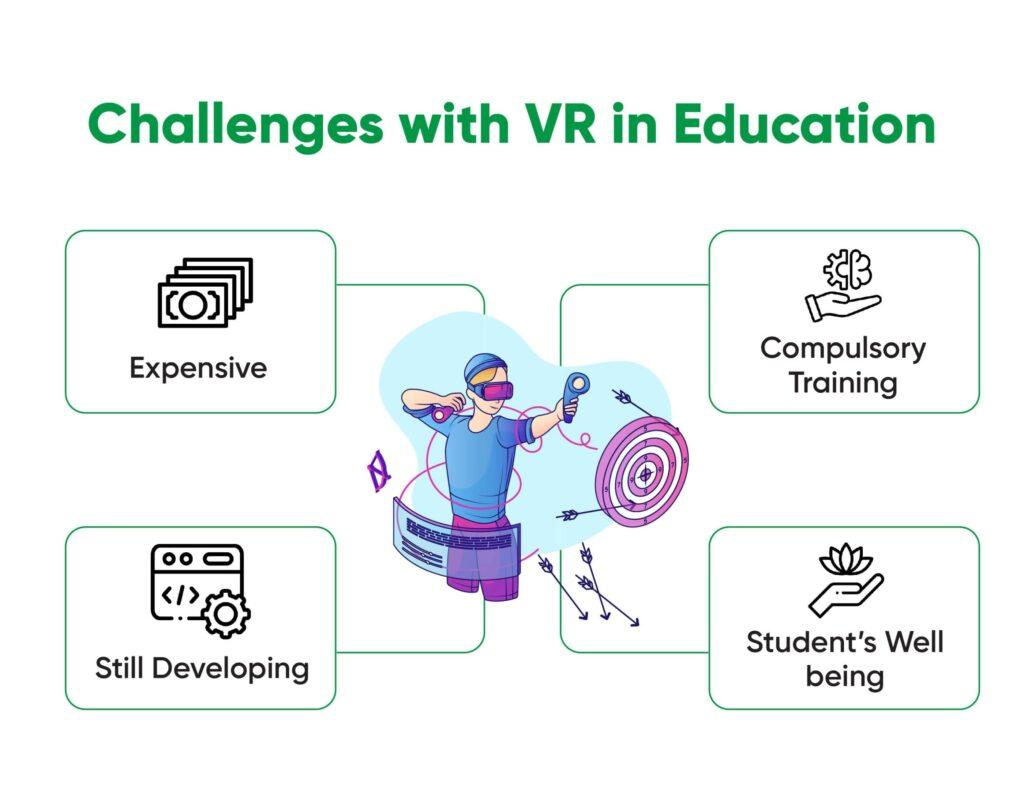
Overcoming Common Challenges
Integrating VR/AR in teacher training requires planning and support. Here are some common challenges and solutions:
- Cost: Secure grants, explore open-source VR/AR resources, or share equipment across multiple departments.
- Technical Support: Provide ongoing IT support and clear troubleshooting documentation.
- Teacher Resistance: Highlight success stories and let teachers experience the value firsthand in a low-stakes training surroundings.
- Equity: Ensure all teachers, including those in under-resourced schools, have access to training and tools.
Conclusion: Pioneering Tomorrow’s Classrooms Today
The future of education is here, and VR/AR teacher training is key to unlocking its full potential. By embracing immersive technologies, educators can transform their instruction, inspire students, and prepare for rapid advancements in the classroom. With effective training strategies, a supportive community, and a forward-thinking mindset, teachers are empowered to lead today’s learners into tomorrow’s world.Now is the time to invest in your professional growth, level up your teaching with VR/AR, and help shape the next generation of engaged, innovative thinkers.