
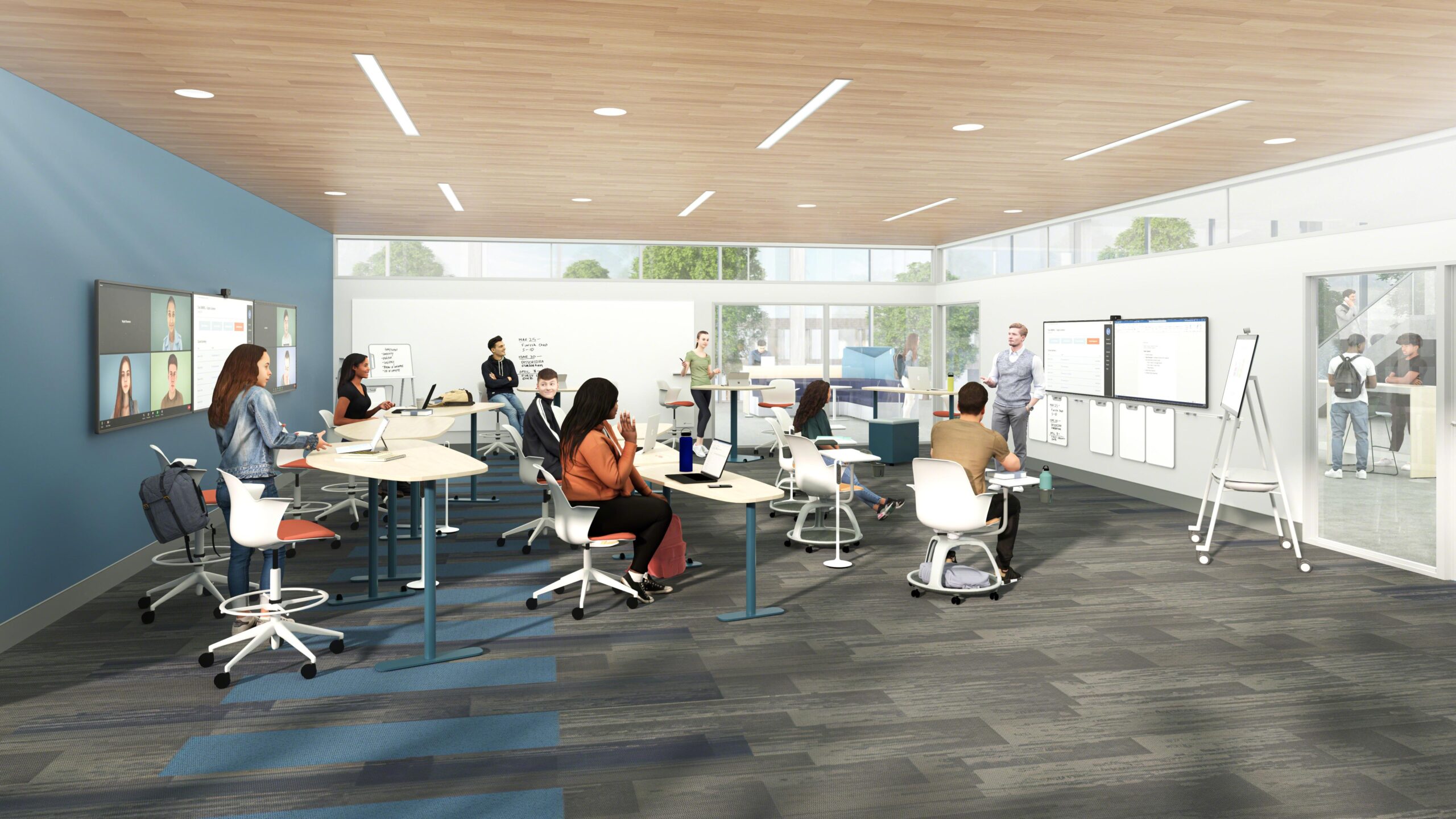
Unlocking the Future: How to design Flexible Hybrid Classrooms for Modern Learning
In the fast-evolving world of education, flexible hybrid classrooms are paving the way for dynamic, equitable, and personalized learning experiences. Ready to transform your educational space and future-proof your teaching approach? Dive into our thorough guide to discover how flexible hybrid classrooms can revolutionize modern learning.
What Are Flexible Hybrid Classrooms?
Flexible hybrid classrooms—also known as hyflex classrooms—are learning environments equipped to support both in-person and remote learners simultaneously. By leveraging technology, thoughtful classroom design, and pedagogical agility, educators can maintain high engagement and inclusivity for all students, regardless of where they are learning.
- Hybrid learning: Combines conventional face-to-face instruction with online learning activities.
- Flexible classroom: Refers to adaptable physical and virtual learning spaces that foster collaboration, comfort, and accessibility.
- Modern learning: emphasizes the integration of technology to enhance educational outcomes and student engagement.
Benefits of Flexible Hybrid Classrooms
Designing flexible hybrid classrooms brings transformative benefits to students, teachers, and institutions alike:
- Increased Accessibility: Students can participate in class regardless of geographic barriers, health concerns, or schedule conflicts.
- Personalized Learning: Hybrid modalities allow students to learn at their own pace and in their preferred environment.
- Enhanced Engagement: Interactive technologies, real-time feedback, and collaborative tools bring lessons to life for all learners.
- Future-Proofing Education: Schools and colleges are better equipped to shift learning modalities as circumstances change.
- Better Resource Utilization: Classrooms, devices, and digital resources can be shared efficiently, reducing costs and keeping learning scalable.
Key Considerations in Designing Flexible Hybrid Classrooms
To create an effective flexible hybrid classroom, focus on these essential elements:
1. Physical Classroom Design
- Modular Furniture: Invest in movable desks, chairs, and partitions to quickly reconfigure spaces for group work, lectures, or presentations.
- Acoustic Optimization: Ensure your classroom supports clear sound for both in-person and online participants using sound-absorbing materials.
- Lighting & visibility: Use adjustable lighting and camera placements so all students are clearly visible during synchronous sessions.
2. Technology Infrastructure
- Reliable Internet: High-speed wi-Fi is a must for seamless video streaming and real-time collaboration.
- Interactive Displays: Smartboards and touchscreens make it easy to share content and annotate lessons,benefiting both in-person and remote learners.
- Video Conferencing Hardware: Invest in quality cameras and microphones to bridge the gap between classroom and remote students.
- Learning Management Systems (LMS): Choose platforms that support content sharing, discussions, assessments, and analytics.
3. Pedagogical Strategies
- Active Learning: Incorporate polls, breakout rooms, and collaborative boards to keep students involved in hybrid settings.
- Universal Design for Learning (UDL): Plan lessons that accommodate diverse learning needs, preferences, and modes of engagement.
- Flexible Assessment: Offer both online and offline options for quizzes, assignments, and feedback.
Practical Tips for Implementing Hybrid Classrooms
- Start Small: Pilot flexible setups in a few classrooms and gather feedback from teachers and students to refine your approach.
- Professional Development: Offer ongoing training for educators in hybrid teaching methodologies and EdTech tools.
- Student Orientation: Teach students how to use new technologies and participate in both online and in-person formats.
- Tech Support: Ensure quick, accessible assistance for any technical issues to minimize disruptions.
- Consistent communication: Use unified platforms and clear guidelines for assignments, schedules, and classroom expectations.
Case Study: A School’s journey with Flexible Hybrid Classrooms
In 2022, Lincoln high School overhauled its traditional classrooms by adding interactive whiteboards, cloud-connected cameras, and flexible seating. Teachers received hybrid learning certification, and regular workshops ensured staff felt confident with new tools.
Results:
- Attendance improved by 14% as students with varied needs began to attend virtually.
- Engagement ratings climbed, with 82% of students preferring the new, flexible approach.
- Faculty reported better work-life balance, spending less time adapting materials for different teaching scenarios.
First-Hand Experience: A Teacher’s Outlook
“Initially, the idea of teaching students in-person and online at the same time was daunting.But with user-kind tools and some creativity, my classroom became more interactive than ever. Students shared insights through chat, live polls, and group docs. Now, my hybrid classroom is a space where every student’s voice is heard—no matter where they are learning from.”
– Ms. Jenna Lee, 10th Grade Science Teacher
Best Tools and Platforms for Hybrid Classrooms
- zoom / Microsoft Teams / Google Meet: Trusted platforms for video conferencing and live class sessions.
- Canvas / Google Classroom / moodle: Popular Learning Management Systems for content, grading, and communication.
- Kahoot! / Mentimeter: Engagement tools for real-time quizzes, polls, and crowd-sourced Q&A.
- Nearpod / Pear Deck: For interactive lessons and formative assessment in hybrid environments.
- OBS Studio / Epiphan Pearl Mini: Hardware and software for high-quality video streaming and lecture capture.
Conclusion: Embracing the Future of Modern Learning
Flexible hybrid classrooms are the cornerstone of modern learning, facilitating inclusivity, engagement, and innovation in today’s educational landscape.By prioritizing adaptable spaces, investing in robust technology, and upskilling educators, schools and colleges can unlock boundless learning opportunities for all students. As we step into the future,designing flexible hybrid classrooms is not merely a trend—it’s a strategic imperative for educational success.
Ready to transform your classrooms? Start small, build strong support systems, and stay curious—your journey toward future-proof education begins today.