
Unlocking the Future: How to Effectively Train Teachers in Using VR/AR Tools
The future of education is here, and it’s immersive! Virtual Reality (VR) and Augmented Reality (AR) are rapidly transforming classrooms by creating engaging, interactive, and highly effective learning experiences. But to unlock the true potential of these innovative tools, we must focus on empowering teachers. This complete guide unpacks the best practices, strategies, and real-world insights on training teachers in using VR/AR tools—enabling educators to lead the next generation of digitally fluent learners.
Why VR/AR Training for teachers Matters
While VR and AR are reshaping possibilities in education—from virtual field trips to 3D science simulations—the success of these technologies hinges on educators. Teachers are the crucial bridge between digital innovation and student understanding. Proper professional development in VR/AR ensures classrooms maximize the impact of immersive technology, fostering curiosity, creativity, and deeper understanding among students.
- Confident educators are more likely to integrate VR/AR into their curricula and experiment with innovative teaching methods.
- Well-trained teachers can troubleshoot basic technical issues, reducing classroom downtime.
- Empowered teachers support student growth, enhance engagement, and make learning memorable.
Key Benefits of Training Teachers in VR/AR Tools
- Enhanced Engagement: VR/AR increases student motivation and participation through interactive learning.
- Differentiated Instruction: Personalized VR/AR activities address unique learning styles and abilities.
- Improved knowledge retention: Hands-on experiences in virtual environments help cement challenging concepts.
- Real-World Skills: Teachers bring practical, future-ready skills into the classroom, preparing learners for modern careers.
- Access to Global Content: VR/AR offers educators curated resources and experiences from across the world.
“Training our teachers in AR and VR isn’t about the technology itself—it’s about giving them new languages to inspire, collaborate, and connect with students.”
— Educational Technologist, 2023
Best Practices for Training Teachers in VR/AR Tools
1. Start with the Basics: Demystify VR/AR
- Offer introductory workshops that cover VR/AR fundamentals,including device types,software,and classroom applications.
- Use simple, jargon-free language to increase accessibility for all educators, regardless of prior tech experience.
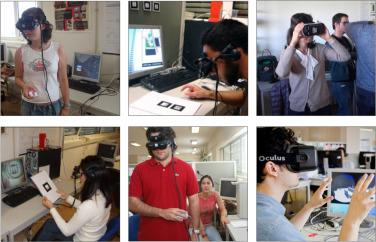
- Encourage hands-on demonstrations, letting teachers experience both VR (e.g., with headsets like Oculus or HTC Vive) and AR (e.g., apps on tablets and smartphones).
2. Scaffold Training: From Novice to Ninja
- Provide tiered professional development—from basic usage to advanced integration and troubleshooting.
- Allow teachers to progress at their own pace, building confidence as they master new skills.
- Utilize microlearning modules,video tutorials,and interactive guides for flexible,continuous learning.
3. Hands-On, Real-World Application
- Enable teachers to design and deliver lesson plans using VR/AR to build practical confidence.
- Host mock classrooms and peer-led presentations where teachers try out immersive lessons before launching them in real classrooms.
- Incorporate project-based learning—challenge teachers to create their own VR/AR content,aligned with curriculum standards.
4. Foster Collaboration and Support
- Create a community of practice among teachers for sharing tips, troubleshooting, and brainstorming new VR/AR applications.
- Offer ongoing access to tech support—both in-house experts and online helpdesks.
- Leverage established networks and forums (like EdTech communities,Twitter,and Facebook groups) to keep up with the latest trends.
5. Address Common Hurdles Early
- Discuss and troubleshoot issues such as device compatibility, classroom management, student accessibility, and VR/AR safety guidelines.
- Prepare teachers for digital citizenship discussions—data privacy, online etiquette, and responsible use of immersive tech.
6. Showcase Success Stories
- Highlight case studies and testimonials showcasing effective VR/AR classroom integration.
- Reward early adopters—recognize teachers who pioneer immersive lessons, encouraging wider adoption among staff.
Practical Tips for Training Teachers in VR/AR Technology
- Begin with familiar content: Let teachers adapt current lessons into AR/VR experiences, lowering the barrier to entry.
- Pair up teachers: Encourage mentor/mentee programs so less tech-savvy educators can learn alongside more experienced colleagues.
- Provide ongoing PD (Professional Development): VR/AR evolves quickly—regular refresher workshops are crucial.
- Utilize free and low-cost tools: Platforms like Google Expeditions, CoSpaces edu, Merge Cube, and Nearpod AR make immersive learning accessible with minimal investment.
- Gather feedback: After training, solicit teacher insights for continual improvement—what worked, what didn’t, and what’s needed next.
Real-World Case Study: VR/AR in Action
Horizon High School’s Journey to Immersive Learning
in 2023, Horizon High School launched a VR/AR pilot in its science and history departments. Training began with hands-on workshops and access to basic VR headsets and AR-enabled tablets. Teachers were guided through creating virtual field trips and AR scavenger hunts related to their curriculum.
- After three months, over 80% of participating teachers reported increased student engagement.
- The science department saw a 20% improvement in student test scores, attributed, in part, to VR simulations of complex phenomena (e.g., exploring the solar system, virtual dissections).
- Monthly peer sharing sessions allowed teachers to troubleshoot, celebrate successes, and collaborate on new lesson ideas, building a vibrant VR/AR learning community.
This case study illustrates that with thoughtful training and ongoing support, even schools with limited resources can successfully integrate immersive technology.
First-Hand Experience: A Teacher’s outlook
“Before training, the idea of VR in my 5th grade classroom was intimidating. But with step-by-step guidance and a supportive community,my confidence grew. Now, my students are virtually exploring Ancient Egypt and collaborating on 3D history projects—it has truly transformed my teaching.”
— Mrs. L. Nguyen, Elementary Teacher
conclusion: Empowering Educators for the Future of Learning
Training teachers in VR/AR tools is not just about technology adoption—it’s about empowering educators to ignite students’ imaginations, foster critical thinking, and prepare learners for a rapidly evolving world. Effective professional development must be interactive, supportive, and continually evolving.By investing in teacher training for immersive educational technology, schools unlock endless possibilities—transforming conventional classrooms into launchpads for future-ready lifelong learners.
Ready to bring VR and AR training to your school? Start by building a supportive culture, providing hands-on experiences, and prioritizing continuous learning—the future is immersive, and teachers hold the key!