
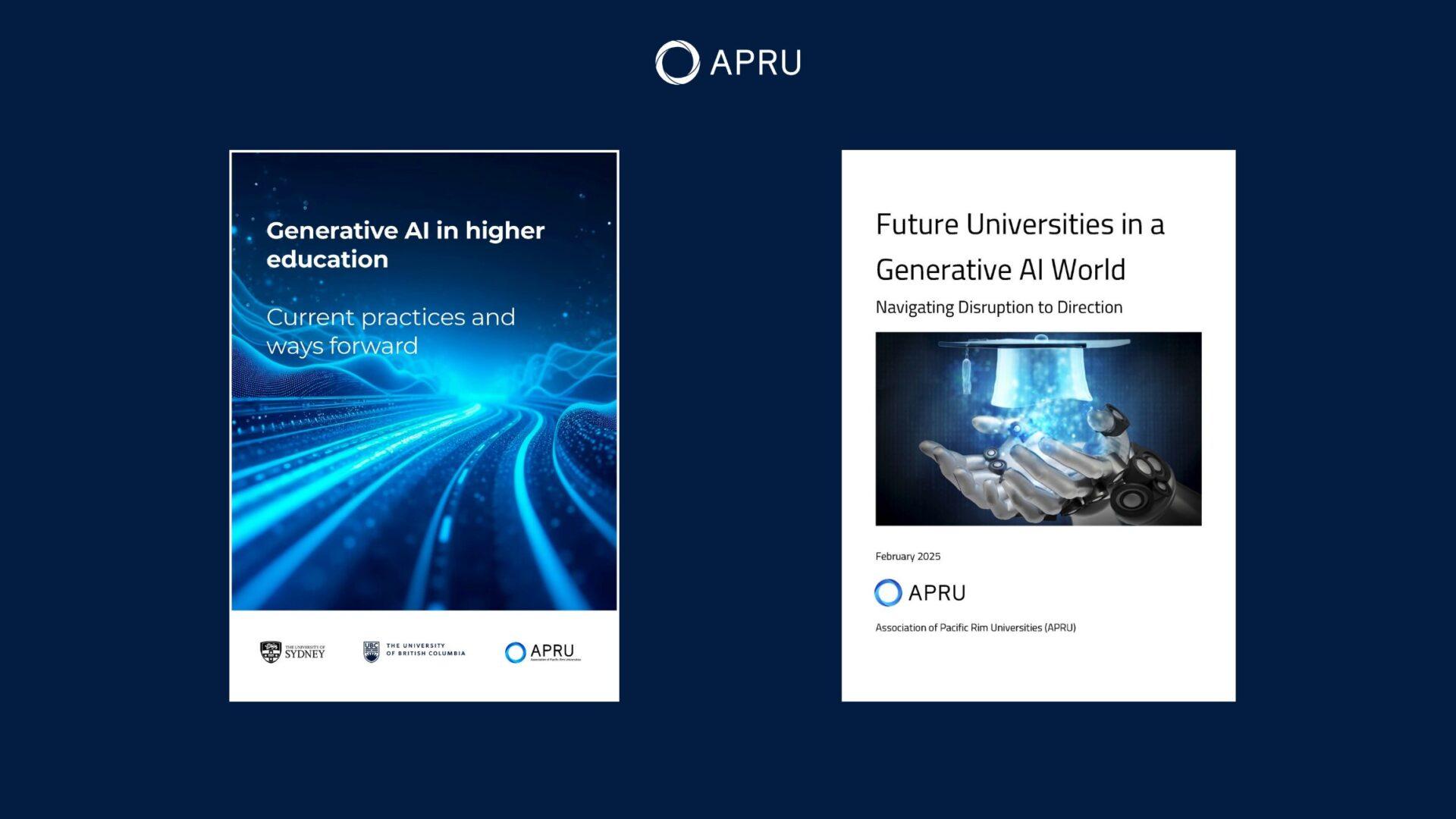
Unlocking the Future of AI in Higher Education: Trends, Challenges, and Opportunities
Artificial Intelligence (AI) is revolutionizing the landscape of higher education, delivering unprecedented opportunities for enhanced learning, innovative teaching methodologies, and data-driven decision-making. As universities and colleges embrace digital transformation, understanding the evolving role of AI in higher education is crucial for educators, students, and policymakers alike.In this in-depth article,we explore the latest trends,challenges,and opportunities that AI brings to academia,offering valuable insights and practical tips to stay ahead in the EdTech revolution.
Table of Contents
- Introduction to AI in Higher Education
- Current trends in AI and Higher Education
- Key Benefits of AI for Universities and Students
- Real-World Case Studies
- Challenges in Implementing AI in Academia
- Future Opportunities and Practical Tips
- Conclusion: The Road Ahead for AI in Higher Education
Introduction to AI in Higher Education
AI is no longer a buzzword—it’s a transformative force reshaping the way higher education institutions operate, teach, and empower learners. From adaptive learning platforms to predictive analytics in student admissions, the adoption of AI in higher education is on a steep upward trajectory. Institutions worldwide leverage AI solutions to:
- Personalize the student learning experience
- Automate administrative tasks
- Facilitate more effective research and knowlege discovery
- Support students through intelligent tutoring systems
The future of AI in higher education hinges on innovation, ethical AI deployment, and collaborative partnerships between universities and technology providers.
Current Trends in AI and higher Education
The integration of AI technologies in colleges and universities is driven by several compelling trends that are redefining academic possibilities:
1. Adaptive and Personalized Learning Environments
AI-powered learning platforms adapt lessons and resources to match each learner’s pace, skillset, and preferred learning style. Personalization increases engagement and enhances educational outcomes,making adaptive learning technologies a central trend in EdTech.
2. AI-Driven Student Support Services
Intelligent chatbots and virtual assistants provide on-demand support, answering student queries, guiding course registrations, and offering well-being resources 24/7. This not only improves the student experience but also frees up human staff for more complex tasks.
3. Predictive Analytics for student Success
Using data mining and machine learning, universities can now predict at-risk students, optimize curriculum design, and develop targeted interventions to boost retention and graduation rates.
4. Automated Grading and Feedback
AI-powered grading systems enhance efficiency by automating objective assessments, reducing administrative burdens, and delivering instant feedback to students—helping educators focus on interactive and higher-order teaching.
5. Intelligent Content Creation and Curation
AI facilitates the creation of customized curricula, generates supplementary materials, and curates learning resources, ensuring content remains current and relevant across disciplines.
Key Benefits of AI for Universities and Students
The advantages of AI in higher education extend far beyond efficiency gains. Here’s how AI is revolutionizing academia:
- Enhanced Personalization: Tailored learning experiences help students master concepts faster and with greater confidence.
- Improved Accessibility: AI-driven tools such as speech-to-text and automatic translation break down language and accessibility barriers for students with different needs.
- Greater Operational Efficiency: Automation streamlines scheduling, registration, grading, and even faculty recruitment, allowing universities to allocate resources optimally.
- Data-Driven Insights: Institutions can make informed decisions about student success, curriculum development, and resource management using predictive and prescriptive analytics.
- Innovative Research opportunities: AI accelerates research by automating literature reviews, discovering patterns in big data, and driving interdisciplinary collaboration.
Real-World Case Studies
Many leading universities are already reaping the rewards of embracing AI-driven transformation. Let’s explore a few noteworthy examples:
-
Georgia State University – Predictive Analytics for Student Retention
Georgia State uses an AI-powered predictive analytics platform to identify students at academic risk. By intervening early, they have increased graduation rates and considerably reduced achievement gaps among diverse student populations.
-
Deakin University – Deakin Genie Virtual Assistant
This Australian university has launched ‘Genie,’ a digital assistant available via smartphone. Genie answers student questions in real-time, aids in scheduling, and provides personalized academic recommendations, fostering a more inclusive and supportive campus surroundings.
-
Stanford University – AI-Enhanced Online Courses
Stanford incorporates AI into their MOOCs (Massive Open Online Courses) to personalize content delivery, automate grading, and provide adaptive feedback, enabling global learners to access world-class education tailored to their needs.
Challenges in Implementing AI in Academia
Despite its promise, the large-scale application of artificial intelligence in higher education faces hurdles, including:
- Data Privacy and Security: Institutions must safeguard sensitive student and faculty data, ensuring compliance with increasingly strict data protection regulations.
- Ethical AI Deployment: Bias in algorithms, lack of openness, and the need for responsible AI use are ongoing concerns requiring robust ethical frameworks.
- Faculty and Student Training: Prosperous AI integration demands upskilling educators and students to leverage new tools effectively.
- Resource Constraints: Smaller institutions may lack the infrastructure or funding to adopt cutting-edge AI solutions at scale.
- Change Management: Organizational resistance and cultural inertia can impede digital transformation in academia.
Future Opportunities and Practical tips
The road ahead is filled with exciting possibilities for harnessing the future of AI in higher education. To maximize benefits and overcome challenges, consider these practical tips:
1. Foster a Culture of Collaboration
- Partner with EdTech companies, industry leaders, and peer institutions to share best practices and accelerate innovation.
2. Prioritize Ethical AI
- Develop institutional guidelines around responsible AI use with transparency, fairness, and privacy at their core.
3.Invest in Professional Development
- Provide ongoing training for faculty, staff, and students to build digital literacy and confidence in using AI-powered tools.
4. Start Small, Scale Strategically
- Pilot AI solutions in targeted areas, measure outcomes, and scale successful projects institution-wide.
5. Engage Students in the Process
- Solicit student feedback on AI initiatives to ensure the technology meets their needs and fosters equity and inclusion.
Conclusion: The Road Ahead for AI in Higher Education
AI is set to unlock a smarter, more inclusive, and impactful future for higher education globally. By embracing innovative trends, addressing implementation challenges, and seizing emerging opportunities, institutions can elevate both teaching and learning experiences. As artificial intelligence continues to evolve,those who adapt and champion ethical,student-centered AI will lead the next wave of academic excellence.
ready to prepare your institution for the next era of AI in higher education? Keep exploring, stay curious, and prioritize digital transformation as the cornerstone of academic success.