
Unlocking the Future of Augmented Reality in Textbooks: Revolutionizing Education Through Interactive Learning
Education is on the brink of a technological renaissance, driven by innovations that aim to make learning more accessible, engaging, and effective. Among these innovations, augmented reality in textbooks stands out as a transformative tool. By infusing traditional educational materials with interactive,3D experiences,AR technology is not just enhancing textbooks—it’s revolutionizing the way students learn,understand,and connect with their curriculum.
Introduction: The Rising Impact of augmented Reality in Education
Imagine flipping through a science textbook and watching a heart beat in 3D, or scanning a mathematics diagram to receive step-by-step visual solutions. This is the promise of augmented reality (AR) in textbooks. No longer are educational resources limited to static images and flat text; AR makes learning immersive and interactive, catering to the digital age’s curiosity and need for engagement.
As educators and technologists seek to bridge gaps in understanding and foster deeper engagement, interactive learning in education has become a central goal. Let’s explore how AR is paving the way for a more dynamic, future-ready approach to education.
what is Augmented Reality in Textbooks?
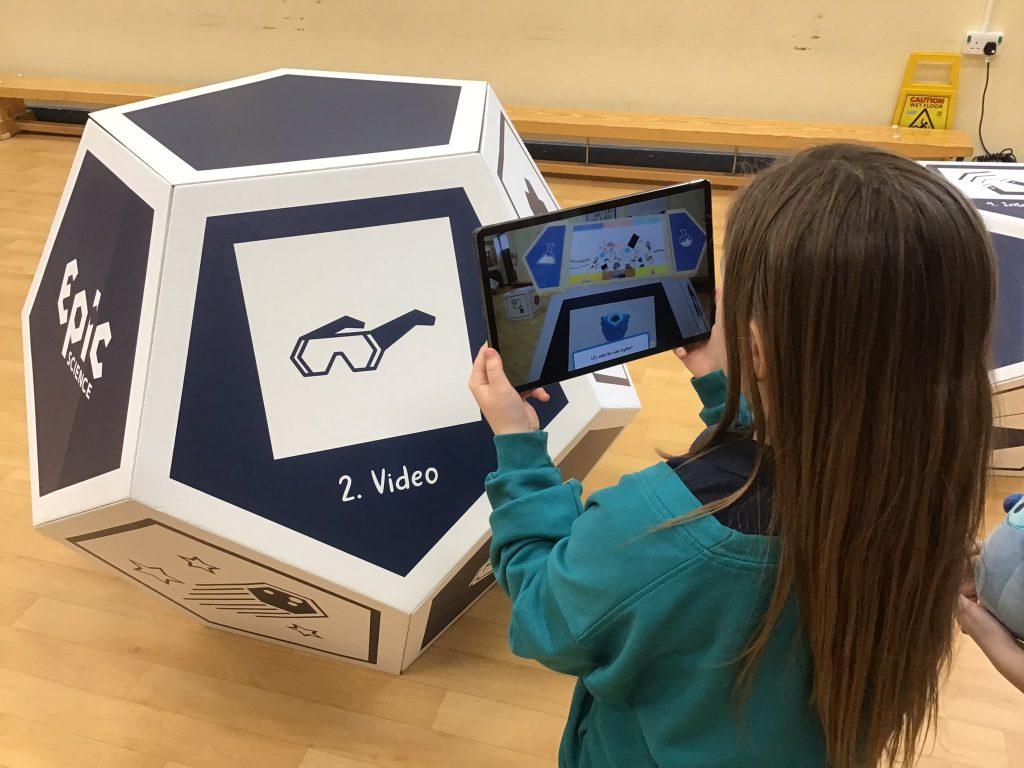
Augmented reality in textbooks integrates digital elements—such as animations, information, or 3D models—into physical textbooks through smartphones, tablets, or AR glasses. When students scan AR-enabled pages,vivid educational content comes to life,creating an interactive learning habitat that goes far beyond ink and paper.
- Visualize complex concepts: See processes like DNA replication or planetary motion in 3D.
- Engage multiple senses: Listen to pronunciation in language textbooks or hear historic speeches in history lessons.
- Instant feedback: Interactive quizzes and activities provide immediate responses to student input.
Benefits of Using Augmented Reality in Textbooks
The integration of AR technology in education offers a slew of advantages for both students and teachers. Here’s how AR textbooks are revolutionizing education:
1. Enhanced Engagement and Motivation
Interactive AR elements turn passive reading into active exploration, maintaining student attention and curiosity. Studies show that students using AR textbooks are more focused and motivated to delve into learning content.
2. Improved Comprehension and Retention
By experiencing 3D visualizations and real-time simulations, learners can grasp abstract concepts more easily. This multisensory approach ensures better understanding and long-term memory retention.
3. Personalized Learning Experiences
AR makes adaptive learning possible,letting students interact with content at their own pace. Tailored quizzes, hints, and feedback accommodate various learning styles and abilities, making education more inclusive.
4.Bridging the Gap Between Theory and Practice
Seeing real-world applications—like virtual chemical experiments or historical re-enactments—helps students connect theory to practice, enhancing the value and relevance of their studies.
5. Collaboration and Social Learning
Some AR platforms support group activities, allowing students to collaborate, share discoveries, and solve problems together—skills vital for the modern workforce.
Real-World Case Studies: Augmented Reality in Action
Many schools and universities worldwide have adopted augmented reality textbooks to enhance their curricula. Here are a few inspiring examples:
Case Study 1: Pearson’s Interactive Science Suite
Education publisher Pearson introduced AR elements into its science textbooks. students can scan diagrams and instantly access interactive 3D models showing molecular structures, plant biology, and physics simulations, resulting in a marked improvement in exam performance and topic comprehension.
Case Study 2: Wonderscope’s Story-Driven Learning
wonderscope brings stories to life with AR. Young learners engage with characters and scenarios directly in their living rooms, tackling challenges and absorbing key educational concepts in a fun, narrative-driven format.
Case Study 3: Chemistry Lessons by MEL Science
MEL Science’s AR lessons make chemistry tangible. Students experiment with atomic and molecular interactions in a safe virtual lab, enhancing conceptual understanding—without the risks and costs of real-life chemicals.
First-Hand experiences: What Students and Teachers Say
feedback from the frontlines is overwhelmingly positive:
“When I used AR in my biology textbook, I finally understood how the heart pumps blood. The 3D animation made everything click!”
— Maria, High School Student
“Augmented reality makes teaching more dynamic. My students are asking deeper questions and showing more interest in science than ever before.”
— mr. Rivera, Science Teacher
Challenges and Solutions in Implementing AR Textbooks
despite the strides being made, introducing augmented reality in education does face hurdles:
- Device Access: Not all students own smartphones or tablets. Solution: Schools can provide shared devices or seek funding for technology grants.
- Teacher Training: Educators need to feel confident in using AR tools.Solution: Offer professional development workshops and ongoing support.
- Content Quality: Not all AR resources meet high educational standards. Solution: Partner with reputable publishers and review digital content for accuracy.
- Cost: Developing and integrating AR can be expensive initially. Solution: Leverage open-source AR platforms and seek public-private partnerships.
Practical Tips for Implementing Augmented Reality in Textbooks
Ready to harness the power of AR for your classroom? Here are some actionable steps:
- Start Small: Pilot AR lessons with a single class or subject before school-wide adoption.
- Integrate Purposefully: Choose concepts that benefit most from visualization or interactivity.
- Select User-Friendly Apps: Platforms like Merge Cube, QuiverVision, and Blippar make integration easy.
- Get Student Feedback: Involve learners in evaluating what AR features help most.
- Share Success Stories: Document and communicate the impact to encourage broader adoption.
The Future of Augmented Reality in Textbooks & Education
The evolution of interactive learning in education is only just beginning. AR continues to expand its capabilities, soon to be combined with artificial intelligence and real-time collaboration features for even richer learning experiences.
In the coming years, expect to see:
- Seamless integration of AR into e-books and digital platforms
- Widespread adoption across all subjects and grade levels
- Affordable AR glasses and wearables in classrooms
- Deeper analytics and personalized feedback for every learner
AR textbooks are set to become a cornerstone of 21st-century education, preparing students for a digital-first world.
Conclusion: Embracing the revolution of Interactive Learning
The future of education lies in embracing tools that make learning more interactive, personalized, and engaging. Augmented reality in textbooks is not just a trend—it’s a revolution that brings knowledge to life, catering to diverse learning needs and unlocking new possibilities for exploration and understanding.
As schools, educators, and policymakers look to future-proof their approaches, interactive AR textbooks will play a pivotal role. By investing in this technology and fostering innovation, we can create more inspiring, collaborative, and effective learning environments for generations to come.
Are you ready to unlock the future of education with augmented reality? The revolution has already begun—don’t let your classroom be left behind.