
Unlocking the Future of Augmented reality in Textbooks: Transforming Education Through Immersive Learning
Augmented Reality (AR) is fundamentally reshaping how educators and students interact with learning materials. As traditional textbooks evolve to integrate cutting-edge AR technology, classrooms worldwide are experiencing an educational revolution.Discover how augmented Reality in textbooks is laying the foundation for immersive learning, enhancing student engagement, and shaping the future of education.
What is Augmented Reality in textbooks?
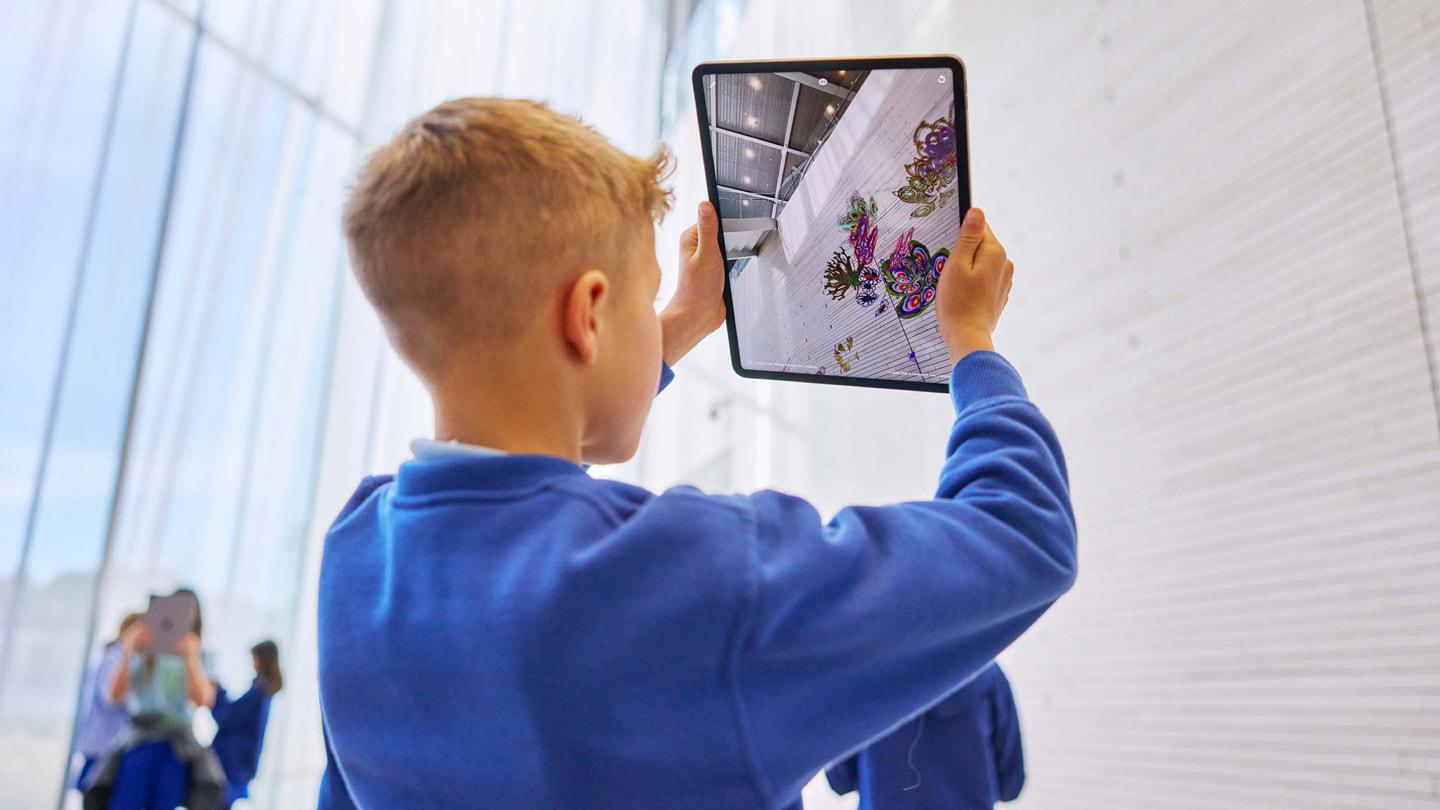
Augmented Reality (AR) enhances the real world with digital overlays, such as images, animations, or interactive 3D models, viewed through smartphones, tablets, or AR glasses. When incorporated into textbooks, AR transforms traditional print media into dynamic, interactive content, creating a unique blended-learning habitat.
Instead of static images or printed exercises, students using AR textbooks can:
- Scan images or QR codes to access interactive 3D models and animations
- Watch related videos or listen to audio explanations embedded in the material
- Engage with quizzes and educational games that deepen understanding
- Explore complex concepts with virtual diagrams and real-time visualizations
Key Benefits of Using Augmented Reality in Education
The integration of Augmented Reality in textbooks brings numerous advantages for both students and educators. Here are some of the most compelling benefits:
1. Enhanced Engagement and motivation
- Interactive learning: AR makes lessons more engaging by turning traditional reading into a hands-on experience.
- Increased motivation: Gamified AR elements capture students’ attention and foster a curiosity-driven approach to learning.
2. Improved Knowledge Retention
- Multi-sensory experiences: Visual, auditory, and kinesthetic learners benefit from AR’s multi-modal approach, leading to better memory retention.
- Real-life context: AR bridges the gap between theoretical concepts and real-world request, making lessons more relevant.
3. Personalized and Self-paced Learning
- Catered content: AR textbooks can adapt content based on individual learning needs and pace.
- Immediate feedback: Interactive quizzes and exercises provide students with instant evaluation and guidance.
4. Accessibility and Inclusivity
- Assistive features: Audio narration,text enlargement,and language translation in AR textbooks help students with disabilities or language barriers.
- Remote learning: AR resources are accessible beyond the classroom, bridging learning gaps during disruptions.
5. Teacher Empowerment
- Better monitoring: Teachers can track progress and identify learning gaps through AR-enabled analytics.
- Innovative instruction: Educators can incorporate AR-driven assignments and collaborative activities to enrich their pedagogy.
Real-World Applications: Case Studies of AR in Textbooks
Schools and educational publishers are already leveraging AR technology to revolutionize teaching and learning. Let’s look at three inspiring case studies:
Case Study 1: Pearson’s Interactive Science Textbooks
pearson, a leader in global education publishing, launched a series of science textbooks embedded with AR markers.Students scanning diagrams of the solar system could interact with 3D planetary models and watch short simulations of planetary orbits, helping them visualize complex astronomical movements.
Case Study 2: DK’s “Smithsonian Journeys” Series
DK Publishing’s “Smithsonian Journeys” integrates AR into their textbooks, allowing children to bring endangered animals to life or view archaeological artifacts in 360 degrees. This hands-on exploration fosters empathy for wildlife and increases interest in history and culture.
Case Study 3: EON Reality’s Medical Textbooks
Medical students using AR-powered anatomy textbooks by EON Reality can interact with lifelike organs and tissues, manipulate them virtually, and even simulate surgical procedures.This deeply immersive training enhances clinical skills and understanding.
First-Hand Experiences: The Student and Teacher Perspective
“When I first used an AR textbook for biology, I was amazed to see the human heart beating in 3D on my tablet. It made studying anatomy exciting instead of intimidating.”
– Sarah, High school Student
“Using AR resources lets me differentiate instruction with ease. I can assign enrichment activities to advanced learners or extra practice to those struggling—all in real time.”
– Mr. Patel, Middle School Science Teacher
These perspectives highlight how Augmented Reality in textbooks is not just a passing trend, but a practical tool for deeper and more meaningful learning.
Practical Tips for Adopting AR Textbooks in the Classroom
- Start small: Pilot AR textbooks with one class or subject before widespread adoption.
- Choose the right platform: Evaluate AR solutions based on curriculum alignment, ease of use, and device compatibility.
- Invest in basic training: Offer professional development workshops for teachers to confidently use and integrate AR tools.
- Ensure accessibility: Opt for AR content that provides accommodations for students with special needs.
- encourage collaboration: Design group activities where students interact with augmented content together, promoting teamwork and discussion.
- Track progress: Use built-in analytics to measure student engagement and identify learning gaps.
Challenges and Considerations
Despite the promise of Augmented Reality in textbooks, schools must be mindful of the following challenges:
- Technology access: Not all students may have access to compatible devices or reliable internet.
- Teacher preparedness: Adapting to new technologies requires adequate training and ongoing support.
- Content reliability: Publishers must ensure AR content is accurate, curriculum-aligned, and regularly updated.
- Screen time balance: While immersive,AR learning shoudl complement,not replace,traditional study habits and physical exploration.
By addressing these considerations, educational institutions can maximize the impact of AR textbooks and create an equitable learning environment.
The Future of Augmented Reality in Education
As AR technology continues to advance, the future of textbooks is undeniably interactive and adaptive. Here’s what lies ahead:
- AI-driven personalization: Artificial Intelligence will further tailor AR content to individual learner profiles.
- Expanded content libraries: More subjects and grade levels will adopt AR, from early reading to advanced sciences and vocational training.
- Mixed Reality (MR) and Virtual Reality (VR) integration: Expect seamless transitions between AR, MR, and VR experiences within textbooks and classrooms.
- Global classroom connectivity: Students will collaborate in real-time across continents, exploring shared AR environments and diverse perspectives.