
Unlocking the Future of Augmented Reality in Textbooks: Transforming Education Through Interactive Learning
Augmented Reality in Textbooks is no longer a futuristic concept—it’s here,actively reshaping the educational landscape and driving interactive learning to new heights. Imagine flipping through your biology book and seeing a 3D beating heart right above the page,or solving math problems with floating digital manipulations. This is the power of augmented reality (AR) in education—a technology that’s breaking down customary barriers and redefining what textbooks can do.
Introduction: The Dawn of Interactive Learning
The world of education is evolving faster than ever before. As digital natives,today’s students crave engaging,hands-on,and interactive learning experiences. Enter augmented reality in education—a transformative technology that integrates virtual objects and facts with real-world content, providing a dynamic and immersive environment for learners. When applied to traditional textbooks, AR has the potential to turn passive reading into an active, visual, and unforgettable classroom experience.
What Is Augmented Reality in Textbooks?
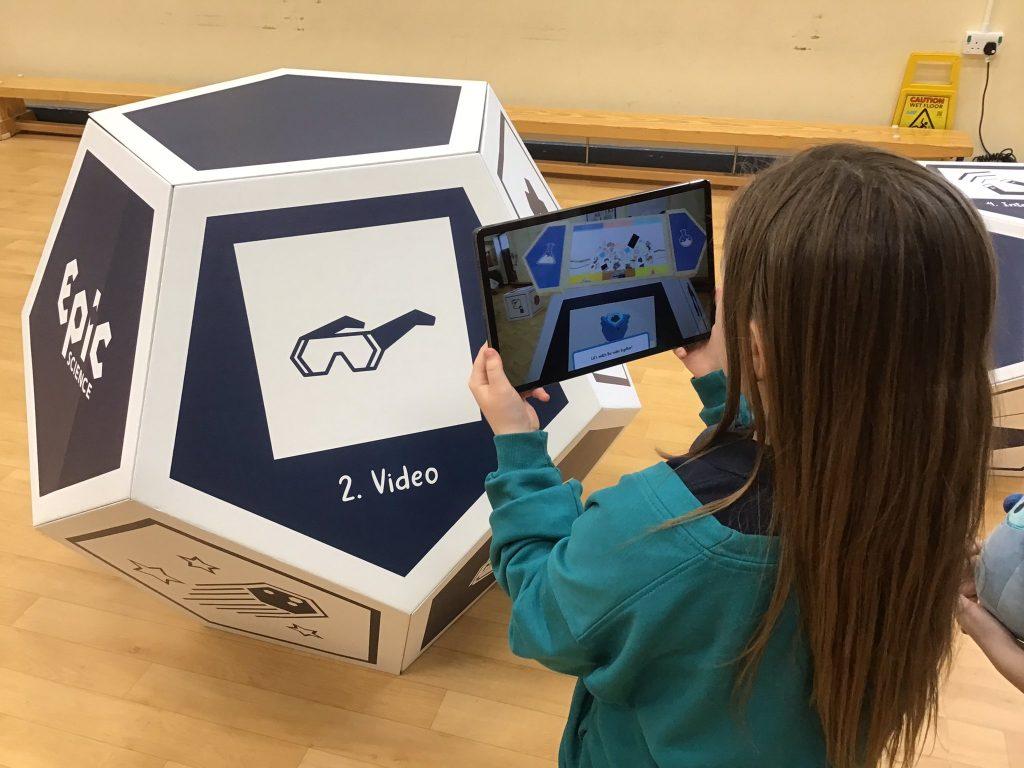
Augmented reality textbooks are printed books or digital resources that interact with AR-enabled devices, such as smartphones, tablets, or AR glasses. These textbooks use markers, QR codes, or image recognition to overlay interactive 3D models, animations, and multimedia directly on the page.This technology bridges the gap between static text and engaging content, making subjects more accessible and relevant.
- 3D models: Visualize complex structures (e.g., the solar system, human anatomy) in real-time.
- Animations: Watch processes like photosynthesis or historical events unfold interactively.
- Interactive quizzes: Test knowledge instantly and receive instant feedback.
- Audio explanations: Listen to expert commentary and guides while reading.
Benefits of Augmented Reality in Textbooks
Integrating AR into textbooks revolutionizes the learning process for students and teachers alike. Here’s why interactive learning with AR is gaining traction in education:
1. Enhanced Engagement and Motivation
- Increases curiosity through gamified and hands-on experiences.
- Reduces cognitive overload by making abstract concepts concrete.
- Promotes active participation instead of passive reading.
2. Improved knowledge Retention
- Multisensory interactions help students remember information longer.
- Visual and interactive elements reinforce traditional text-based knowledge.
3. Personalized and inclusive Learning
- Caters to various learning styles: visual, auditory, and kinesthetic.
- Enables differentiated instruction—students learn at their own pace.
- Supports learners with disabilities through visual and auditory aids.
4. Real-Time Feedback and Assessment
- Instant quizzes and prompts keep students and teachers informed of progress.
- Data analytics help educators tailor instruction for individual needs.
Case Studies: Augmented Reality Transforming Education
Curiscope’s Virtuali-Tee
This award-winning AR T-shirt and accompanying textbook content allow students to explore the human body in stunning detail. by using a tablet or smartphone, learners “see through” the shirt to view organs, systems, and even a beating heart, all brought to life through interactive AR overlays.
Pearson’s AR-Enhanced Textbooks
Leading publisher Pearson has begun to integrate AR into their science and math textbooks. Students simply scan pages with a companion app to access animations, tutorials, and real-time problem-solving tools. This approach has led to increased student engagement and a deeper grasp of complex topics.
Google Expeditions
Utilizing Google Expeditions AR, teachers can guide students on virtual field trips and make 3D objects (like volcanoes, DNA helices, or ancient artifacts) appear right in the classroom. Textbooks now serve as launch pads for exploratory, immersive adventures.
First-Hand Experience: Voices from the Classroom
Teachers and students worldwide have begun to realize the potential of AR textbooks. Many report that learning outcomes improve when lessons come to life:
- “When we used AR models for the circulatory system, even students who usually struggled were engaged. They could visualize and manipulate the heart in 3D, which made all the difference.” – High School Biology Teacher
- “Solving math problems with AR is like playing a game. It’s fun,and I actually understand how things work now.” - 8th Grade Student
- “AR textbooks let me replay parts I didn’t understand as many times as I wanted. It made learning feel personal and manageable.” – University Freshman
practical Tips for Integrating AR in Your Classroom
ready to bring the future of augmented reality in education to your students? Here are some actionable steps:
- Identify compatible textbooks: Look for AR-enabled versions from major publishers or supplement existing materials with AR platforms like HP Reveal or blippar.
- Ensure device accessibility: Make sure students have access to smartphones or tablets powerful enough to handle AR apps.
- Start small: Pilot AR lessons in a single unit or subject to gauge engagement and learning outcomes.
- Provide training: Offer workshops or tutorials to teachers and students unfamiliar with AR technology.
- Encourage exploration: Allow students free exploration time along with structured lessons, fostering curiosity and creativity.
Challenges and Considerations
As transformative as AR textbooks are, their integration is not without challenges:
- Cost: Investments might potentially be required for devices, apps, and updated textbooks.
- Technical barriers: Reliable internet and newer hardware are frequently enough needed.
- Teacher training: Professional growth is essential for effective use.
- Content quality: Not all AR content is created equal—educators must vet resources for educational value and accuracy.
The Future of Augmented Reality in Textbooks
With rapid advances in AR technology, the possibilities for textbook change are limitless. Looking ahead, we can expect:
- Seamless integration: AR features natively embedded into all major textbook formats.
- Collaborative learning: shared AR environments for group projects and discussions.
- Accessibility improvements: Voice commands, customizable interfaces, and support for diverse learners.
- Affordable solutions: Lower-cost devices and open-source AR content libraries.
As AR hardware becomes more affordable and widespread, its use in education will likely expand from K-12 through higher learning and vocational training, creating a new standard for interactive learning.
Conclusion: Unlocking Academic Potential with AR Textbooks
The introduction of augmented reality in textbooks marks one of the most significant educational innovations of our time. By turning static pages into interactive playgrounds,AR is unlocking the true potential of students and educators alike. Ultimately, transforming education through interactive learning not only improves academic outcomes but also instills a lifelong love of discovery. As schools and universities embrace AR, the future of learning is poised to be more engaging, inclusive, and impactful than ever before.
are you ready to unlock the future? start exploring augmented reality textbooks today, and witness the educational transformation firsthand!