
Unlocking the Future of Education: How VR/AR Immersive Learning Transforms Classrooms
The digital revolution is reshaping every industry, and education is no exception. Virtual Reality (VR) and Augmented Reality (AR) are now at the epicenter of this transformation, promising to revolutionize learning experiences. Immersive learning using VR/AR isn’t just a trend—it’s a seismic shift in how students engage, understand, and retain knowledge. But how exactly is VR/AR immersive learning transforming classrooms? Let’s dive into the next chapter of education and explore the future unfolding before our eyes.
What is VR/AR Immersive Learning?
Immersive learning leverages VR and AR technologies to create interactive, engaging, and realistic experiences for students. While Virtual Reality places users in a wholly simulated environment, Augmented Reality overlays digital facts onto the real world. both approaches make lessons more dynamic, allowing students to not just learn but experience their education firsthand.
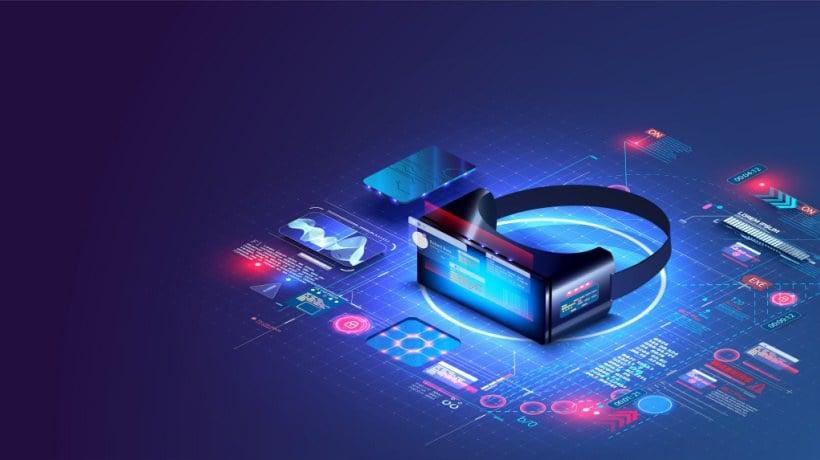
- Virtual Reality (VR): Full immersion in a simulated 3D environment. Requires VR headsets.
- Augmented Reality (AR): Adds digital elements to live views, accessible via smartphones, tablets, or AR glasses.
By blending these technologies, immersive learning in education puts students at the center of their own learning journeys.
Key Benefits of VR/AR in the Classroom
Incorporating VR/AR in education has far-reaching effects on students, teachers, and the entire learning ecosystem. Here’s how immersive learning is making a difference:
- Enhanced Engagement: Interactive content captures students’ attention more effectively than customary materials.
- Improved Retention: experiential learning leads to better comprehension and memory retention.
- Safe Learning Environments: Risk-free scenarios allow for experimentation—think virtual science labs or ancient re-enactments.
- Personalized Learning Paths: Adaptive content tailors to each student’s pace and preferences.
- Global Access: Immersive tools break down geographical barriers, making rare experiences accessible to all.
- Collaboration & Interaction: Students connect and collaborate in shared virtual spaces, even if miles apart.
Transforming Subjects with Immersive Learning
VR/AR technology in classrooms isn’t restricted to a single subject. It has fundamentally changed the way various disciplines are taught:
- Science: Students perform virtual dissections, explore the solar system, or walk through a human heart.
- History: Travel back in time to witness landmark events or tour ancient civilizations.
- Geography: Virtually climb Mount Everest or dive into the ocean’s depths, exploring ecosystems up-close.
- Art & Design: Create 3D models,visualize sculptures,or project masterpieces into the classroom.
- vocational Training: Practice complex procedures—like surgery or automotive repairs—without physical risks.
- Language Learning: Immerse learners in real-world conversations in simulated environments.
Case Studies: VR/AR Success Stories in Education
Here are a few real-world examples showcasing the positive impact of immersive technology in classrooms:
Case Study 1: Google Expeditions
Google Expeditions enabled millions of students worldwide to take virtual field trips, exploring natural wonders and world landmarks without ever leaving their classrooms. Teachers reported increased engagement and curiosity, especially among reluctant learners.
Case Study 2: Labster Virtual labs
Labster offers immersive virtual science labs for students, allowing them to conduct experiments in physics, biology, and chemistry safely and repeatedly. Studies have shown Labster users scored up to 76% higher in learning assessments compared with traditional methods.
Case Study 3: zSpace in Elementary Schools
zSpace combines AR/VR technologies to let students manipulate 3D objects with ease. In elementary education, students dissected frogs virtually—eliminating ethical concerns and engaging young minds in biology.
First-Hand Experiences: Voices from the Classroom
“Using VR in my science class has completely transformed how my students perceive biology. No more diagrams; now, they travel inside a cell and witness the processes firsthand!”
– Jennifer Lee, High School Science Teacher
“AR flashcards make language learning a fun, interactive experience. My ESL students are now participating more than ever.”
– Carlos Ramirez, ESL Instructor
Practical Tips for Integrating VR/AR in Your Classroom
Ready to start your journey with immersive learning? Follow these practical tips for a seamless integration of VR/AR in your classroom:
- Start Small: Pilot with one or two lessons using free or low-cost VR/AR apps before larger investments.
- Prioritize accessibility: Choose solutions that work across multiple devices—smartphones, tablets, or dedicated headsets.
- Focus on Curriculum Goals: Use VR/AR to enhance, not distract from, learning objectives.
- Provide Training: Offer professional advancement sessions so teachers feel confident using the technology.
- Engage Parents: Host VR/AR nights to demonstrate educational value and gain community support.
- Monitor Progress: Collect student feedback and adapt approaches based on learning outcomes.
The Future of VR/AR Immersive learning in Education
As technology continues to evolve,so too will its impact on education. The future will see:
- Greater Personalization: AI-driven VR/AR lessons tailored to each student’s needs and abilities.
- Hybrid Learning Environments: Seamless integration of physical and digital worlds, even at home.
- Wider Adoption: More affordable hardware and resources, leveling the educational playing field.
- Enhanced Collaboration: Global partnerships and student exchanges—all in virtual spaces.
With global investments in edtech soaring,VR/AR is poised to become as essential as textbooks and whiteboards in tomorrow’s classrooms.
Conclusion
VR/AR immersive learning is undeniably transforming the educational landscape. With benefits ranging from increased engagement to personalized instruction, these technologies empower both teachers and students to unlock new potentials. While challenges remain—like accessibility and teacher readiness—the path toward a future where every learner can explore, discover, and grow is clearer than ever.the classrooms of today are paving the way for a brighter,more immersive tomorrow.
Are you ready to embrace the future of education? With the rise of VR/AR, unlocking immersive learning possibilities is now within reach for every classroom.