
Unlocking the Future of Educational Gamification: Trends, Benefits, and Innovations Ahead
Educational gamification is rapidly reshaping modern classrooms and corporate training environments. As we move further into the digital age, blending game mechanics with learning has proven to be a transformative force, engaging students and maximizing retention like never before. This thorough article delves into the current trends, emerging innovations, and the sweeping benefits of educational gamification, empowering educators, learners, and institutions to stay ahead of the curve.
table of Contents
- What is Educational Gamification?
- Current Trends in Educational Gamification
- Benefits of Educational Gamification
- Innovations and the Future of Gamified Learning
- Practical Tips for Effective Gamification
- Case Studies: Real world Examples
- Conclusion: Looking Ahead
What is Educational Gamification?
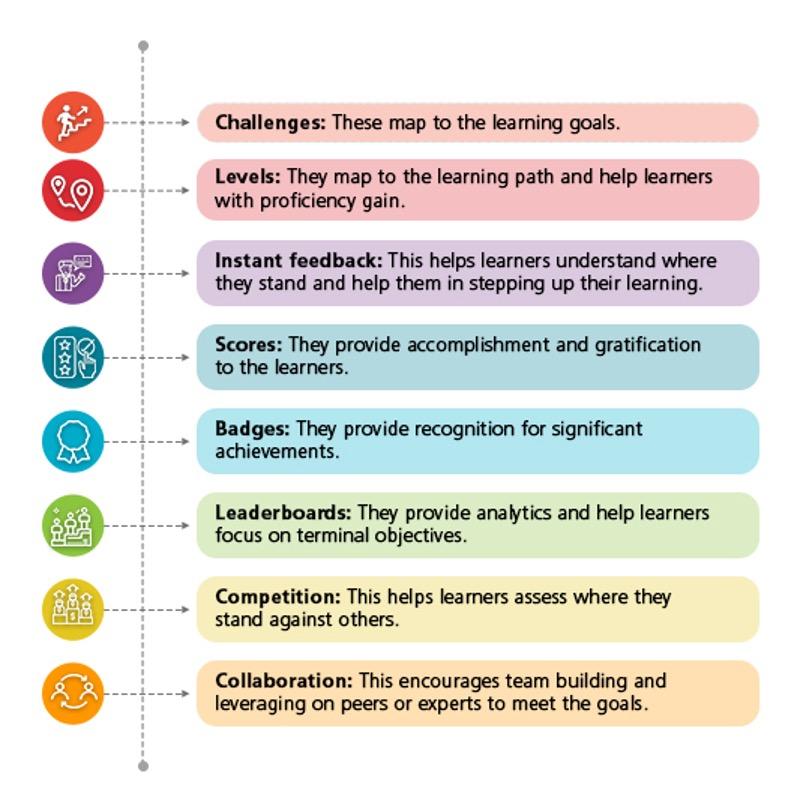
educational gamification refers to the integration of game elements—such as points, badges, leaderboards, and narrative challenges—into the learning experience. The aim is to motivate and engage learners,making education more interactive and enjoyable.
- Game Mechanics: Systems such as scoring, immediate feedback, and competition.
- reward Systems: Digital badges,progress bars,unlockable content,or certificates.
- Storytelling: Crafting immersive narratives that connect learning modules.
- Collaboration: Encouraging teamwork through group challenges or quests.
These elements harness the natural human love for achievements, progression, and kind competition, ultimately transforming routine learning into a compelling adventure.
Current Trends in Educational Gamification
With the evolution of digital technologies, several dynamic trends are shaping 2024’s gamified learning landscape:
- Adaptive Learning Platforms: AI-powered systems personalize challenges and rewards according to each learner’s pace.
- Augmented and Virtual Reality (AR/VR): Immersive 3D environments take simulations and scenario-based learning to new heights.
- Mobile learning Games: On-the-go access through smartphones and tablets expands reach and convenience.
- Social Gamification: Incorporating community features, peer competition, and social recognition to boost engagement.
- Data-Driven Insights: Real-time analytics allow educators to track progress, identify gaps, and provide targeted support.
Benefits of Educational Gamification
The adoption of gamified learning tools brings a wealth of measurable advantages for both learners and educators. Here’s how:
For Students and Learners
- Boosts Motivation: Achievements, rewards, and feedback loops stimulate learners to aim higher.
- Enhances Retention: Interactive tasks and repetition anchor facts more effectively.
- Encourages Persistence: Fun challenges and gradual difficulty increases keep learners engaged for longer periods.
- Fosters Healthy Competition: Leaderboards and cooperative quests create a positive social atmosphere.
For educators and Institutions
- Personalizes learning Paths: Teachers can tailor content and difficulty for each student.
- Improves Assessment Accuracy: Real-time analytics highlight strengths and areas needing improvement.
- Scales Easily: Digital platforms accommodate increasing class sizes without loss of interactivity.
- Sparks Innovation in Lesson Planning: Creative lesson design is unlocked through game-based methodologies.
“Gamification isn’t just about making learning fun—it’s a robust, evidence-backed approach to transforming engagement and academic achievement for all age groups.”
Innovations and The Future of Gamified Learning
As technological advancements accelerate, educational gamification is poised for remarkable breakthroughs. The future promises:
- Artificial Intelligence Tutors: Virtual AI coaches that provide real-time guidance,adaptive feedback,and personalized hints based on learner responses.
- Immersive Story-Based Worlds: Deep narrative-driven educational games that simulate real-life scenarios, ideal for professional and vocational training.
- Blockchain Credentials: Secure, verifiable proof of skill mastery via blockchain-backed digital badges and certificates.
- Cross-Platform Integration: Unified learning experiences that transition seamlessly between web, mobile, AR, and VR devices.
- Emphasis on Soft Skills: Games focusing on emotional intelligence, leadership, empathy, and collaboration—skills once arduous to assess in conventional education.
These innovations are primed to push gamified learning beyond core academics into lifelong learning and workplace progress, making education truly adaptive and borderless.
Practical Tips for Effective Gamification
To maximize the effectiveness of educational gamification, consider applying these proven strategies:
- Align Game Mechanics with Learning Objectives: Ensure every challenge supports real curriculum goals, not just engagement for engagement’s sake.
- Offer Meaningful Rewards: Rewards should acknowledge achievement and encourage further effort, from badges to certificates and real-world perks.
- Design for All Learner Types: Balance competition and collaboration, and offer both solo and group activities.
- Iterate Based on Feedback: Regularly collect student input and adjust mechanics to maintain relevance and effectiveness.
- Utilize Analytics: Track usage and outcomes to refine gamified experiences,ensuring maximum impact on learning outcomes.
Case Studies: Real World Examples
educational gamification isn’t just theory—it’s already yielding impressive results worldwide. Here are a few standout examples:
Duolingo: Language Learning Reinvented
Duolingo is a prime example of successful gamified education. Its bite-sized lessons, streaks, XP points, and leaderboards keep millions of users motivated to learn new languages daily.
Kahoot!: Interactive Classroom Quizzes
Kahoot! turns quizzes into energetic competitions. Teachers create real-time multiple-choice games that foster engagement and provide instant assessment on students’ knowledge.
Classcraft: RPG-Style Classroom Management
Classcraft transforms classroom behavior and lesson progression into an epic role-playing game, where students gain points for positive actions and teamwork.
first-hand Experience: A Teacher’s Viewpoint
“I saw a remarkable increase in student participation and test scores after implementing simple gamified challenges in my math lessons. Even reluctant learners started looking forward to class!”
— Kelly R., Middle School Educator
Conclusion: Looking Ahead
educational gamification is unlocking the future of learning by making education more interactive, adaptive, and enjoyable. As innovative technologies converge with creative pedagogy, gamified learning platforms are set to become indispensable tools across K-12, higher education, and corporate training. By embracing the latest trends, leveraging tangible benefits, and experimenting with new technologies, educators and institutions can ensure that the next generation of learners is not only well-educated, but truly inspired.
Are you ready to step into the future of education? Start exploring gamified learning tools today and be a part of the revolution!