
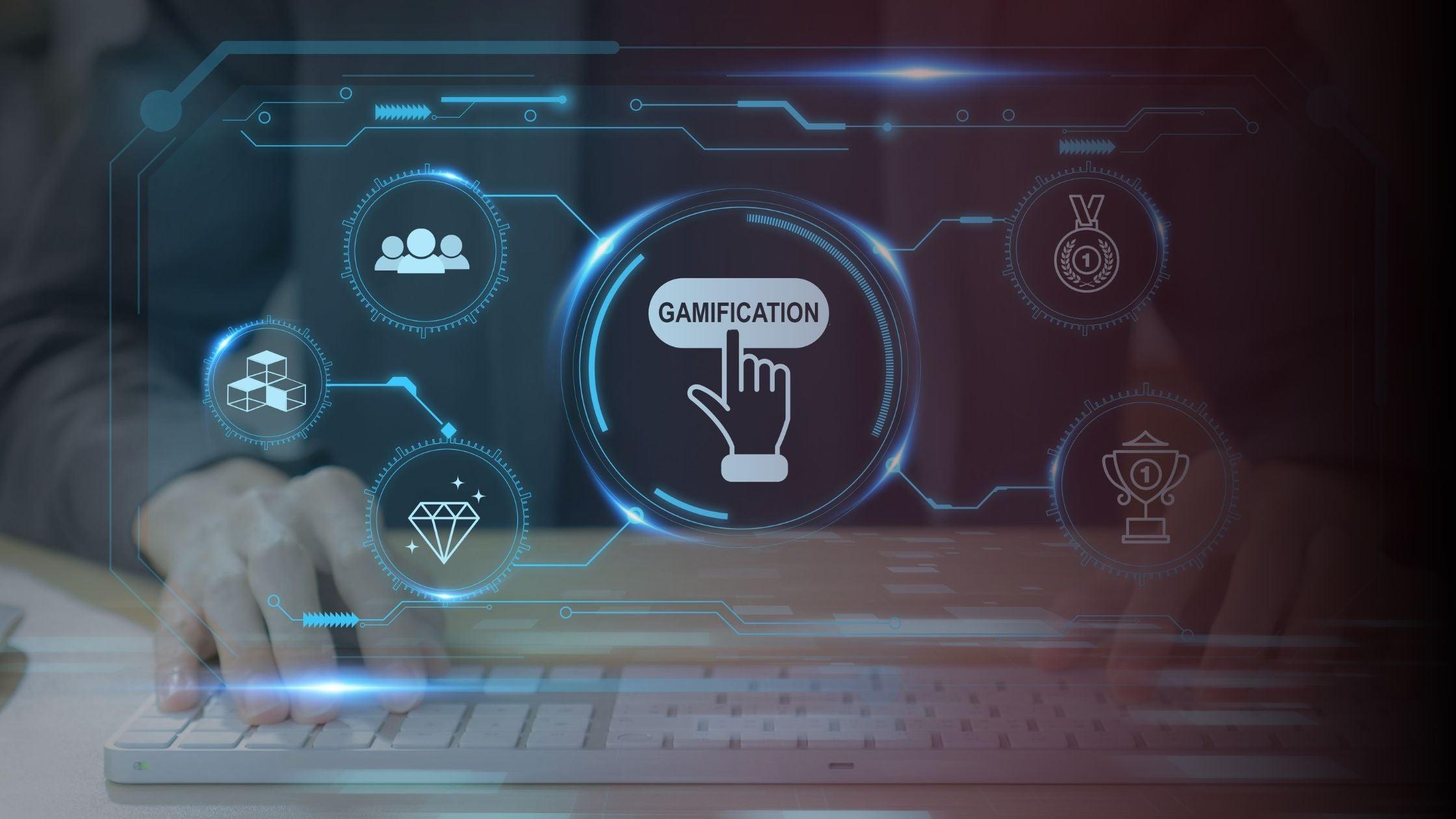
Unlocking the Future of Educational Gamification: trends, Benefits, and Next-Gen Innovations
In the rapidly evolving world of education, one trend stands out as both transformative and enduring: educational gamification. By leveraging game-based elements and dynamics within learning environments, educators are unlocking new levels of engagement, motivation, and achievement among students of all ages. But what does the future hold for gamification in education? In this extensive guide, we’ll examine the latest trends, highlight the key benefits, and take a sneak peek at next-generation innovations that are shaping the digital classroom.
What Is Educational Gamification?
Educational gamification refers to the integration of game mechanics—such as points, badges, leaderboards, challenges, and rewards—into traditional learning processes. Its primary goal is to enhance student engagement, motivation, and knowledge retention by making educational experiences more interactive and enjoyable. Unlike fully-developed educational games, gamification adapts game elements to existing curricula, fostering a sense of achievement that propels learners forward.
Emerging Trends in Educational Gamification
As technology continues to advance, so do the methods and platforms for gamified learning. Here are the most significant trends in educational gamification as of 2024:
- Personalized Learning Paths: Adaptive learning technologies use AI to tailor gamified experiences to individual student needs, preferences, and skill levels.
- Integration with virtual and Augmented Reality (VR/AR): Immersive environments help students interact with content in 3D spaces, making gamified explorations both memorable and impactful.
- Microlearning & Mobile Gamification: Bite-sized, game-driven lessons are optimized for smartphones and tablets, promoting learning on-the-go and increasing content retention.
- Social and Collaborative Play: multi-user games, peer-to-peer challenges, and teamwork-oriented quests encourage communication, cooperation, and healthy competition.
- Data-Driven Insights: Real-time analytics track student progress, enabling immediate feedback and informed instructional adjustments.
- Blockchain-Based Credentialing: Earned badges and certificates are stored securely and transparently, providing verifiable proof of skills and accomplishments.
The Benefits of Gamification in Education
Educational gamification offers a wealth of advantages for both students and educators. Here’s why more institutions are embracing this innovative approach:
- Increased Engagement: Interactive elements captivate learners’ attention, turning routine lessons into exciting missions.
- Boosted Motivation: Achievements, leaderboards, and rewards offer extrinsic and intrinsic motivation, inspiring students to persist and improve.
- Enhanced Retention & Understanding: Gamified activities reinforce knowledge through repetition, problem-solving, and active participation.
- Instant Feedback: Immediate responses to actions help students identify strengths and areas for improvement, fueling self-driven progress.
- Advancement of Key Skills: Gamification cultivates critical thinking, teamwork, creativity, adaptability, and digital literacy—essential for success in the modern world.
- Inclusivity and differentiation: Game-based solutions accommodate various learning styles and paces, supporting equity and accessibility in education.
Next-Gen Innovations: Shaping the Future of Educational Gamification
Looking ahead,educational gamification will continue to evolve,driven by cutting-edge technologies and innovative pedagogy. Here are a few next-generation innovations on the horizon:
- AI-Powered Game Design: Artificial intelligence will dynamically generate new challenges, quests, and learning scenarios to keep content fresh and relevant for every learner.
- Wearable Learning Devices: Devices such as smart glasses and VR headsets will deliver hands-on, interactive educational games directly in dynamic physical environments.
- Global Multiplayer Learning Ecosystems: Connected classrooms and online platforms will enable students worldwide to collaborate, compete, and learn together via immersive, large-scale educational games.
- Ethical Game Design: Increased focus on well-being, fairness, and responsible habit formation will minimize negative behaviors like excessive competition or “gamification fatigue.”
- Seamless EdTech Integration: Gamified platforms will merge effortlessly with LMS (Learning Management Systems), allowing teachers to design, deploy, and assess gamified lessons with a few clicks.
Real-World Case Studies: Educational Gamification in Action
The impact of gamification in education is best seen through practical examples. Here are three case studies demonstrating its effectiveness:
- Duolingo: This language-learning app utilizes points, streaks, badges, and leaderboards to encourage regular practice and progress. As of 2024, it remains a leading example of effective educational gamification, boasting over 500 million users worldwide.
- Kahoot! in the Classroom: Many teachers globally use Kahoot! to create quiz-based, interactive competitions. The approach not only increases participation but also fosters a fun, collaborative classroom environment.
- Classcraft: This RPG-style platform transforms the entire classroom into an adventure game, where students earn points for positive behaviors, teamwork, and academic performance. Teachers have observed improved social-emotional learning and classroom engagement as a result.
Practical Tips for Implementing gamification in Your educational Program
ready to harness the power of gamification for your school or online courses? Here are some proven strategies to ensure success:
- Start simple: Use badges, levels, and quizzes before introducing more complex game mechanics.
- Align Game Mechanics with Learning Objectives: Every gamified element should reinforce specific learning goals—avoid adding features without educational value.
- Encourage Collaboration: Create team-based challenges and social leaderboards to build community and promote healthy competition.
- Gather Feedback: Use analytics and student input to iterate and refine your approach for maximal impact.
- Monitor Engagement and Well-being: Ensure that gamification enhances, rather than detracts from, student motivation and emotional health.
- Integrate Technology Thoughtfully: Choose gamification tools that work well with your existing LMS and that respect students’ privacy and data security.
Conclusion: The Path Forward in Educational Gamification
The future of educational gamification is loaded with possibilities—richer technology, greater personalization, and broader accessibility. As schools, universities, and training organizations look for new ways to captivate learners and empower educators, gamification will remain at the forefront of innovation. By understanding emerging trends, harnessing key benefits, and adopting best practices, you can definitely help unlock the full transformative potential of gamified learning for the next generation.
Are you ready to level up your educational experience? Stay ahead by exploring the latest gamification strategies, tools, and innovations—and join the global movement redefining how we learn, grow, and succeed.