
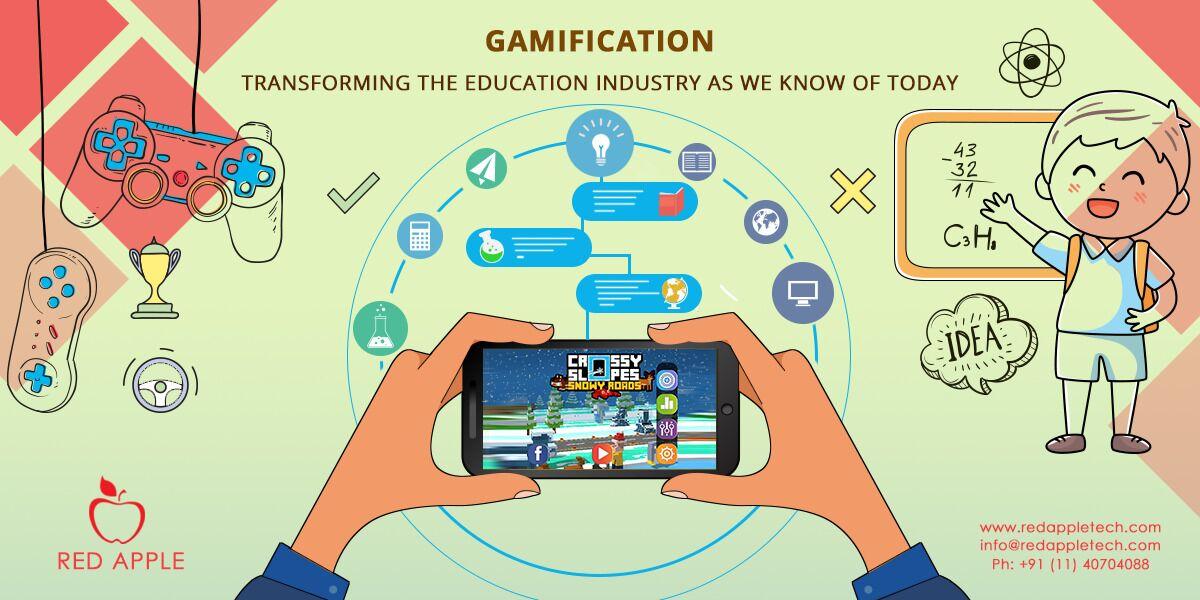
Unlocking the Future of Educational Gamification: Trends, Tools, and Impact
The world of education is undergoing a radical change. As technology continues too reshape classrooms, educational gamification emerges as a pioneering approach to boost student engagement and optimize learning outcomes.Combining the excitement of gaming with essential curriculum content, gamification has become a driving force behind innovative teaching strategies—forging deeper connections between students and their studies. In this article, we explore the future of educational gamification, examining the latest trends, impactful tools, and strategies for leveraging its full potential.
What Is Educational Gamification?
Educational gamification refers to the submission of game design elements—such as competition, achievement badges, levels, and storytelling—to educational environments. by integrating these mechanics into learning experiences, educators aim to incentivize participation, foster collaboration, and make education more interactive and enjoyable.
- Points systems reward progress and incentivize persistence
- Leaderboards instill pleasant competition and recognition
- Badges and certificates provide tangible rewards for accomplishments
- Interactive quests transform lessons into engaging adventures
The Evolution and Trends in Educational Gamification
Gamification in education has evolved far beyond simple scoreboards. Today, it harnesses the power of artificial intelligence, adaptive learning platforms, and immersive media, such as augmented reality (AR) and virtual reality (VR). Understanding key trends can help educators stay ahead, designing learning experiences that captivate and inspire.
1. Personalized Learning experiences
Modern gamified tools adapt content based on individual student progress, interests, and learning styles. AI-powered platforms analyze responses, dynamically adjusting challenges for optimal learning pace.
2. integration of Mixed Reality Technologies
The fusion of AR and VR creates immersive educational experiences. Students can explore historical events, conduct virtual labs, or master languages through interactive environments, making abstract concepts tangible.
3. Social Learning and Collaboration
Gamification promotes teamwork by offering multiplayer quests, cooperative problem-solving, and peer feedback. Platforms leverage social media integration, allowing students to share achievements and resources.
4. microlearning and Bite-sized Gamified Content
Microlearning breaks down complex subjects into small, manageable tasks. Gamified micro-content helps maintain focus, boosting retention through brief, rewarding activities.
5. Data-Driven Insights and Analytics
Complex analytics track student performance, identifying learning gaps and strengths. This empowers educators to tailor interventions, maximizing each student’s advancement.
popular Tools and Platforms for Educational Gamification
Educators have access to a diverse range of gamification tools designed to support different age groups, subjects, and classroom settings.Here are some top platforms leading the way:
- Kahoot! – Live quizzes and poll-based games for instant engagement
- Classcraft – RPG-based classroom management, fostering collaboration
- DuoLingo – Language learning app with points, streaks, and levels
- Quizizz – Interactive quizzes with competitive leaderboards
- GooseChase – Scavenger hunt platform for creative, active learning
- Minecraft Education Edition – Scenario-based lessons in a virtual sandbox
Each platform offers unique features, interfaces, and sharing capabilities. The choice depends on your curriculum goals and student preferences.
Benefits of Educational Gamification
Integrating gamification into education delivers a range of evidence-backed benefits:
- Enhanced Engagement: Game-based mechanics naturally attract attention and motivate learners.
- Improved Knowledge Retention: Interactive challenges and repetition boost long-term memory.
- Development of Critical Skills: Gamified scenarios improve problem-solving, collaboration, and resilience.
- Instant Feedback: Immediate rewards and corrections help students recognize mistakes and progress quickly.
- Inclusivity: Gamified systems adapt to various abilities, making learning accessible to all.
- Positive Attitude Toward Learning: Transforming study into play reduces anxiety and builds confidence.
Case studies: Gamification Success Stories
Numerous schools and organizations have leveraged gamification to achieve remarkable results. Let’s look at two compelling case studies:
Case Study 1: Language Mastery with Duolingo
A middle school in Texas reported a 35% increase in students’ vocabulary retention after integrating Duolingo into its curriculum. The app’s daily streaks and goal-setting features encouraged regular practice, turning language acquisition into a fun, competitive activity.
Case Study 2: Collaborative Learning with classcraft
A Canadian school utilized Classcraft to improve classroom participation and teamwork. Students worked in teams, earning points for collaboration and positive behavior, resulting in a 40% decrease in discipline issues and higher rates of assignment completion.
Practical tips for Implementing Gamification in Education
Wondering how to get started with gamifying your classroom? Here are practical strategies for educators:
- Set Clear Learning Objectives: Align game mechanics with curriculum goals to ensure meaningful outcomes.
- Start Small: Introduce gamification gradually—begin with quizzes or badge systems before rolling out complex games.
- Encourage Collaboration: Use multiplayer experiences to promote teamwork and social skills.
- Monitor and adjust: Continually review analytics to refine game elements and interventions.
- Solicit Student Feedback: Involve students in the design process, adapting games to their interests and needs.
- Celebrate Achievement: Recognize individual and group successes through awards, certificates, or public acknowledgment.
challenges and Considerations
while gamification brings transformative benefits, educators should be aware of potential pitfalls:
- Overemphasis on Competition: Too much focus on leaderboards may demotivate some students. Balance competitive and cooperative elements.
- Technical Accessibility: Not all schools have the resources for advanced platforms. Choose tools that fit your technology landscape.
- Alignment with learning Outcomes: Ensure that game activities reinforce, rather than distract from, core curriculum objectives.
- Data Privacy: Protect student information when using cloud-based platforms.
First-Hand Experience: A Teacher’s Viewpoint
“Introducing gamification in my high school science classroom was a game-changer. Students who previously struggled with motivation became eager participants as we tracked progress with points and staged ‘boss battles’ at the end of each unit. The sense of achievement and camaraderie not only improved grades but also fostered a supportive learning community.”—Ms. Anita Patel, Science Teacher
Conclusion: The Radiant Future of Educational Gamification
The future of educational gamification is dynamic, immersive, and highly adaptive. By merging pedagogical best practices with cutting-edge technology, educators can create classrooms where learning feels like a rewarding adventure. As new trends and tools continue to emerge—shaped by AI, AR, VR, and data analytics—gamification is set to unlock new heights in student engagement and achievement.
Whether you’re an educator, parent, or educational technologist, embracing gamification can help pave the way for more effective, inclusive, and enjoyable learning experiences. The key lies in thoughtful implementation, ongoing adaptation, and a passionate commitment to student success.