
Unlocking the Future of Learning: How Wearable Technologies are Transforming Education
The digital revolution is no stranger to the classroom. While laptops and tablets have already found their way into lesson plans worldwide, a new wave of innovation is taking learning beyond the screen. Wearable technologies in education are paving the way for immersive, interactive, and highly personalized learning experiences. From smartwatches monitoring student wellness to AR glasses delivering interactive content,the potential for enhancing educational outcomes is boundless. In this article, we delve into how wearable tech is reshaping the educational landscape and empowering both teachers and learners for the future.
What are Wearable Technologies in Education?
Wearable technology refers to electronic devices that are comfortably worn on the body. Popular examples include smartwatches, fitness trackers, smart clothing, and augmented/virtual reality headsets. In the education sector, wearables offer real-time access to digital tools, resources, and data, fostering dynamic and adaptable learning environments.
- Smartwatches and bands: Track attendance, time management, and student wellness.
- virtual Reality (VR) headsets: Create immersive simulations and experiences.
- Augmented reality (AR) Glasses: Overlay digital data onto physical environments for enhanced learning.
- Smart Clothing: Monitor physiological metrics during physical education classes.
the Benefits of Implementing Wearable Technologies in Education
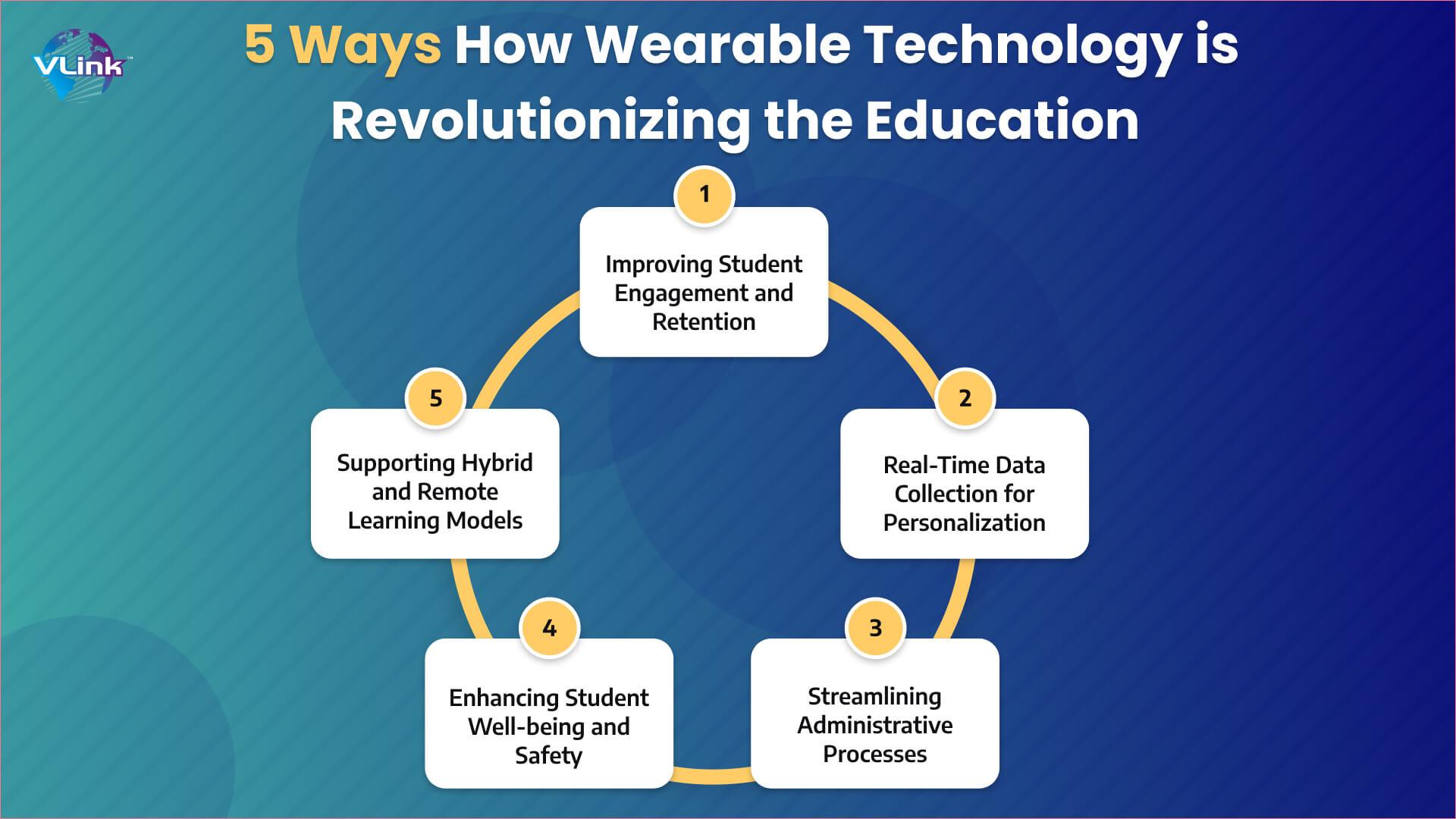
adopting wearable technologies in educational settings introduces multiple advantages, enriching both teaching methods and student engagement. Hear are the key ways wearable tech is changing the classroom:
- Enhanced Engagement: Interactive experiences thru AR and VR captivate students, making lessons more memorable.
- Personalized Learning: Real-time data collection helps tailor educational content to individual needs and learning speeds.
- Inclusivity and Accessibility: Wearables can support students with special needs, for example, real-time translation for language learners or haptic feedback for visually impaired students.
- Promoting Collaboration: Cloud-connected wearables allow students to share data and insights, working together seamlessly inside and outside the classroom.
- better health Monitoring: Wearable devices help track students’ physical activity, emotional state, and health, supporting a holistic approach to education.
Real-Life Applications: Case Studies of Wearable Tech in the Classroom
Educational institutions worldwide are experimenting with wearable devices in education to achieve remarkable outcomes. Let’s look at some inspiring examples:
Case Study 1: Virtual Reality field Trips
High schools in California have adopted VR headsets to take students on virtual field trips. With thes wearables, science classes can visit the surface of Mars, and history lessons can walk the streets of Ancient Rome. Test scores show increased retention, and student feedback reveals higher engagement and curiosity.
Case Study 2: Smartwatches Supporting Student Wellness
A pilot program in Denmark used smartwatches to monitor student stress during exam weeks. Data from the devices helped teachers identify anxious students and offer targeted support, leading to a notable decrease in absenteeism and improved mental wellness.
Case Study 3: AR for Interactive lessons
In Singapore, primary schools integrated AR glasses into STEM classrooms. Students solving engineering problems could see 3D models of structures directly on their desks, speeding up comprehension and enabling hands-on experimentation.
First-Hand experiences: Voices from the Classroom
“Putting on a VR headset and stepping inside a rainforest made the plant life feel real—much more than looking at photos.I remembered the details for our biology quiz as I actually ‘saw’ and ‘explored’ them.”
– Emily, Grade 9 Student
“Using smartwatches in PE class helps me track students who need a rest or are doing great.It’s easier to adjust the class activities on the fly, and I can focus on individual progress.”
– Mr. johnson, Physical Education Teacher
Practical Tips for Integrating Wearable Tech in Learning Environments
Ready to embrace wearable technology in the classroom? Here are practical steps to ensure a smooth transition:
- Start Small: Test a single wearable device or request with a pilot group before scaling up.
- Focus on Privacy: Prioritize student data security and informed consent; choose devices that comply with educational privacy standards.
- Train Staff: Offer professional development sessions to help educators integrate wearables effectively into their teaching methods.
- Connect with Curriculum: Select technologies that enhance, not distract from, your learning objectives.
- Involve Students and Parents: Gather feedback to address concerns and encourage adoption.
- Monitor and Evaluate: Set clear goals, measure impact, and be ready to adapt your approach for maximum benefit.
WordPress Tip: Enhance your posts by embedding video demonstrations, student testimonials, or interactive galleries showcasing wearable tech in action. Use .wp-block-image and .wp-block-embed classes for optimal presentation.
Overcoming Challenges in Adopting Wearable Technologies
As with any change, implementing wearable technology in education comes with its set of challenges. Being aware of these hurdles helps schools devise proactive solutions:
- cost Considerations: Budgeting for new devices and their maintenance can be a concern.Look for grant opportunities and pilot programs to reduce initial investments.
- Technical Support: Ensure reliable IT support and robust Wi-Fi infrastructure to handle multiple connected devices seamlessly.
- Teacher Readiness: Provide adequate training and resources so educators can confidently use wearables in their pedagogy.
- Equity and Access: Guarantee all students, regardless of socioeconomic background, can benefit from wearable technology.
Looking Forward: The Future of Wearables in Education
The pace of innovation shows no signs of slowing.With advances in artificial intelligence, biometric sensors, and 5G connectivity, future wearable technologies in education will offer even greater personalization and interactivity. in the years ahead,we may see:
- Real-time learning analytics guiding on-the-spot lesson adjustments
- Global classrooms connected through VR collaboration platforms
- Adaptive curricula that respond instantly to each student’s needs
- Greater integration with smart environments and IoT devices for fully immersive learning
The key to success will be continuous dialog among educators,technologists,students,and parents—embracing innovation while keeping student learning and wellbeing at the heart of every decision.
Conclusion: Preparing for a Smarter,More Connected Classroom
Wearable technologies have moved from science fiction to science fact,unlocking new avenues for personalized learning,student engagement,and educational innovation. By carefully integrating these smart devices into schools, educators can transform the way knowledge is delivered and experienced. Now is the time for educators, administrators, and policymakers to harness the power of wearables—preparing the next generation for a future were learning knows no bounds.
Are you ready to unlock the future of learning? Explore more about implementing wearable technology in education and discover the possibilities awaiting your classroom!