
Unlocking the Future of microlearning in Education: Trends, Benefits & Innovations
Microlearning is revolutionizing the education sector, empowering learners and educators with short, focused bursts of content that are easy to digest and retain. As technology advances and learner needs evolve, microlearning stands at the forefront of modern pedagogical strategies. In this comprehensive guide, we’ll explore the future of microlearning in education: current trends, standout benefits, groundbreaking innovations, real-world case studies, and practical tips for implementation.
What Is Microlearning? Understanding the Concept
Microlearning refers to delivering content in small, specific learning units designed for speedy consumption—usually under 10 minutes. This methodology is particularly effective for today’s digital natives, who seek instant, accessible knowledge. Microlearning embraces a variety of formats, including:
- Short videos and animation clips
- infographics and flashcards
- Podcasts and audio snippets
- Interactive quizzes and games
- Mini-articles and concise eBooks
Current Trends Shaping Microlearning in Education
The microlearning landscape is rapidly evolving. Here are the trends currently shaping its future in education:
1. Mobile-First Learning
With the rising ubiquity of smartphones and tablets, mobile microlearning has become the norm.Learners prefer to access lessons anytime, anywhere—on their commute, during breaks, or at home.
2. AI-Powered Personalization
Artificial intelligence enables the customization of microlearning experiences,suggesting content tailored to an individual’s learning pace,interests,and knowledge gaps.
3. Gamification and interactive Elements
Integrating game mechanics such as points, badges, leaderboards, and challenges increases learner engagement and improves knowledge retention.
4.Integration with Learning Management Systems (LMS)
Modern LMS platforms seamlessly integrate microlearning modules, offering analytics, progress tracking, and assessments to personalize the learning journey.
5. Bite-Sized Video & Visual Content
Micro-videos, visual stories, and infographic snippets continue to dominate—making complex details easy to grasp and remember.
6. Focus on Just-in-Time Learning
Microlearning empowers learners with rapid access to information exactly when it’s needed, improving performance and reducing cognitive overload.
The Key Benefits of Microlearning in Today’s Classroom
Why is microlearning gaining such widespread traction? Here are some of the most impactful benefits for both students and educators:
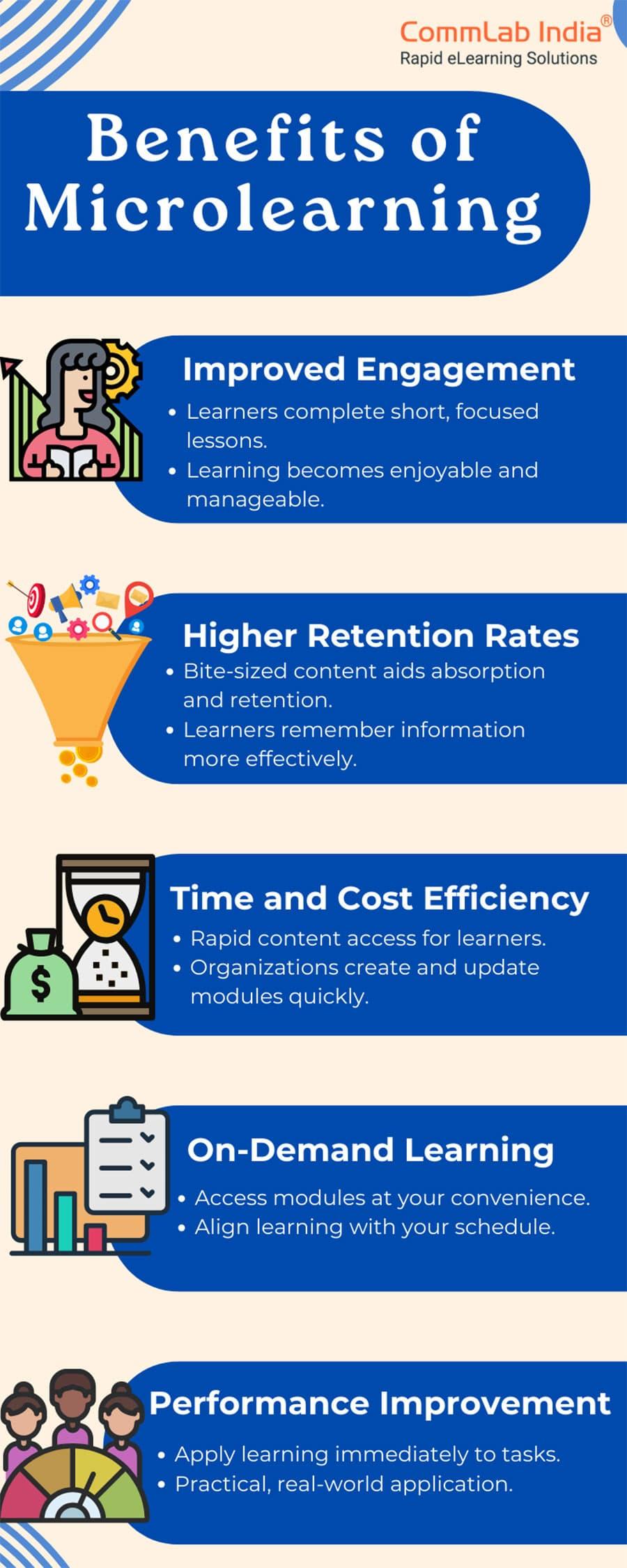
- Boosts Retention: Short, focused lessons minimize information overload and help learners retain more knowledge over time.
- Enhances Engagement: Interactive microlearning modules encourage active participation and cater to diverse learning preferences.
- Adapts to Busy Schedules: Learners can fit bite-sized educational experiences into their daily routines, fostering lifelong learning habits.
- Offers Adaptability and Accessibility: Content is available on-demand, across devices, enabling equitable access for all learners.
- Drives Better performance: just-in-time delivery ensures students and employees can immediately apply what they have learned to real-world situations.
- Cost-effective: Microlearning is less resource-intensive to produce and update, making it a lasting solution for institutions.
Innovations: How Microlearning Is Evolving
The future of microlearning in education hinges on continuous innovation. Here are some exciting new developments:
- Virtual & Augmented Reality Experiences: Immersive microlearning modules using VR and AR offer hands-on, real-life simulations.
- AI-Driven Adaptive Learning: Smarter algorithms adjust module difficulty and recommend resources based on individual performance.
- Social & Collaborative microlearning: peer-to-peer challenges, discussion forums, and shared micro-projects powered by community engagement.
- Microcredentials & Digital Badges: Recognize microlearning achievements with stackable credentials that can enhance a learner’s portfolio.
- voice-Assisted Microlearning: Integration with smart speakers allows learners to absorb content through voice commands, hands-free.
Case Studies: Successful Microlearning in Education
Corporate Training: Google’s g2g Program
Google’s “Googler-to-Googler” (g2g) program leverages employee-generated microlearning videos and modules to foster a culture of peer learning. Adoption of microlearning has led to higher engagement and improved upskilling.
K-12 classrooms: Math Snacks
New Mexico State University’s “Math Snacks” provides game-based microlearning resources for middle schoolers.The approach has shown measurable results in student math proficiency and engagement.
Higher Education: Arizona State University’s Study Skills Modules
ASU delivers microlearning modules on time management, research skills, and exam preparation. The bite-sized content increases completion rates and supports student well-being.
Practical Tips for Implementing Microlearning in the Classroom
- Identify Clear Learning Objectives: Break down complex topics into small, targeted learning goals.
- Leverage Multimedia Tools: Use videos,podcasts,images,and text to cater to various learning styles.
- Keep Content concise and Focused: Limit modules to 5-10 minutes or less for maximum retention.
- Encourage Active Participation: Integrate quizzes and interactive questions after each micro-lesson.
- Utilize Analytics and Feedback: Regularly review learner feedback and engagement data to improve content effectiveness.
- Promote Consistency: Schedule microlearning sessions regularly to build habits and reinforce knowledge.
First-Hand Experience: Teachers on Microlearning
“Integrating microlearning has transformed my classroom. Students feel less overwhelmed and more motivated to participate. It’s amazing to see how quickly they pick up new concepts with just a 5-minute video or quiz!”
– Sarah M.,Middle School Teacher
Future Outlook: What’s Next for Microlearning?
The future of microlearning in education is luminous. As educational technology becomes more sophisticated and learner-centric, microlearning will continue to expand in scope and impact. Expect even greater integration with artificial intelligence, increased adoption of mobile and wearable devices, and tighter alignment with competency-based education and workforce growth.
Educational institutions and businesses alike will benefit from staying ahead of the curve—embracing new microlearning tools and evolving their strategies to foster engagement, accessibility, and lifelong learning.
Conclusion: Embrace Microlearning to Unlock the Future of Education
microlearning is no longer just a buzzword—it’s a proven path to more effective, engaging, and accessible education. By harnessing the latest trends and innovations, educators and learners can unlock unprecedented opportunities for growth and success. whether you’re designing a corporate training module, enhancing a K-12 lesson plan, or creating content for higher education, microlearning is the key to staying relevant and impactful in the digital age.
Ready to implement microlearning in your organization or classroom? Start small, experiment, and watch as your learners thrive in a future fueled by bite-sized brilliance!