
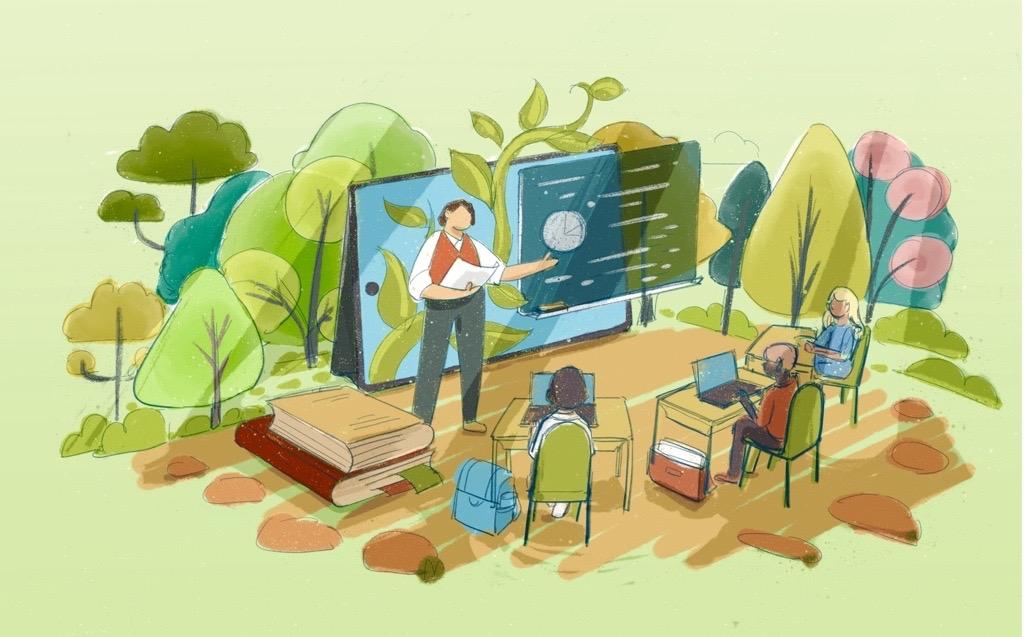
Unlocking the Future: Sustainable Technologies in educational Settings for Greener Learning
Introduction: Greener Learning Begins Today
The twenty-first century has brought a pressing need too reimagine education, not only in terms of curriculum and pedagogy but also how institutions impact the planet. Sustainable technologies in educational settings are transforming the landscape of schooling, paving the way for greener learning environments that benefit both students and the surroundings. By harnessing eco-friendly educational technologies, schools and universities can foster environmental stewardship, reduce their carbon footprint, and inspire the next generation to think sustainably. In this article, we’ll dive into sustainable technology trends, the benefits they offer, practical implementation strategies, and real-world examples to guide schools on the journey to greener learning.
What Are Sustainable Technologies in Education?
Sustainable educational technologies are digital or physical resources designed with eco-efficiency and resource conservation in mind. They minimize environmental impact while supporting innovative, effective teaching and learning experiences. These technologies range from energy-efficient hardware to digital platforms that cut down on paper usage. The integration of these solutions not only helps reduce the carbon footprint of educational institutions but also reinforces a culture of sustainability among students and staff.
- Energy-efficient devices: Laptops,tablets,and projectors designed to consume less power.
- Renewable energy infrastructure: Solar panels, wind turbines, and geothermal systems on school campuses.
- Digital resource platforms: E-books, online assignments, and cloud-based collaboration tools minimizing paper waste.
- Smart building management: IoT-powered systems controlling lighting, heating, and air conditioning for optimized energy use.
- Eco-friendly learning materials: Tools and content created from recycled, sustainable materials and production processes.
The Benefits of Greener Learning Environments
The transition to greener learning environments is more than an environmental imperative—it’s a strategic move with far-reaching benefits. Sustainable technologies in education unlock advantages for schools, students, and communities alike.
Environmental Benefits
- Reduction in energy and water consumption.
- Lower carbon emissions from daily school operations.
- Notable decrease in waste generation due to digitization.
- Enhanced preservation of natural resources for future generations.
Educational and social Benefits
- Improved indoor air quality and building comfort, boosting student concentration and health.
- Access to innovative teaching tools and resources from anywhere, promoting digital literacy.
- Opportunities for experiential learning in environmental science and sustainable practices.
- Enhanced school reputation,attracting eco-conscious students,staff,and funders.
Economic Advantages
- Long-term utility cost savings for schools and universities.
- Grants and funding opportunities aimed specifically at sustainable school initiatives.
- Reduced need for physical textbooks, supplies, and in-person commute expenses.
Notable Sustainable Technologies Transforming Education
Let’s spotlight some of the leading-edge sustainable technologies in educational settings making a tangible difference today.
- Solar-powered Schools: Solar panels on school roofs are a powerful symbol and practical step towards clean energy adoption. Schools in California, Australia, and parts of Europe now run partially—or entirely—on solar power, resulting in major energy savings.
- Energy-Efficient EdTech Devices: Manny device manufacturers now design tablets, laptops, and projectors with energy-saving components and recyclable materials, decreasing both power use and e-waste.
- Smart Sensors and IoT: Internet of Things (IoT) technology regulates lighting, temperature, and air quality based on real-time occupancy, ensuring optimal learning conditions with minimal energy waste.
- Virtual and Augmented Reality: VR and AR reduce the need for physical resources (such as lab chemicals or travel for field trips) by substituting immersive, digital alternatives.
- cloud-Based Learning Platforms: Solutions such as Google Classroom or Microsoft Teams facilitate paperless assignments and promote resource sharing, lessening dependency on traditional, resource-intensive methods.
- Recycled, Modular Classroom Furniture: Modular designs made from recycled materials ensure flexible, sustainable learning spaces and ease future upgrades or maintenance.
Case Studies: Schools Leading the Way in Sustainable Learning
Nothing illustrates the power of green technology in schools like real-world examples. Here are a few inspiring stories:
Case Study 1: the Green School, Bali
The Green School in Bali is recognized worldwide for its bamboo architecture, solar power initiatives, and on-site organic gardens. Classroom technologies are chosen for their energy efficiency and environmental footprint. Students use digital platforms to manage assignments, considerably reducing paper use, and all buildings utilize cross-ventilation for cooling, eliminating air conditioning.
Case Study 2: New York City Public Schools
NYC has pledged to make all public schools solar-powered by 2030. Several schools already showcase large-scale solar arrays, integrate environmental curricula, and run Green Teams of students and staff dedicated to monitoring and minimizing campus waste.
Case study 3: University of British Columbia (UBC), Canada
UBC’s campus is home to North America’s largest bioenergy facility, which provides heat and hot water for campus buildings using locally sourced wood waste. IoT-based environmental monitoring helps optimize energy use, and comprehensive sustainability programs are woven into the student experience.
Practical Tips for Implementing Sustainable Technologies in Schools
Transitioning to sustainable educational technology doesn’t require an all-at-once overhaul. With strategic action, schools can make incremental, affordable progress that accelerates over time.
- Start with an energy audit: Identify where your school consumes the most energy, then target these areas for advancement with efficient technologies.
- Convert to paperless workflows: Use cloud-based collaboration, e-submissions, and e-reading tools to slash paper consumption.
- Invest in energy-efficient devices: Replace outdated equipment with ENERGY STAR-certified alternatives.
- Leverage community and government support: Seek out grants, rebates, and local partnerships for funding and expertise in sustainable upgrades.
- Train educators and students: Provide professional growth so staff can integrate sustainable technology into everyday teaching practices.
- Create a sustainability commitee: Involve students, teachers, and administrators in decision-making and ongoing monitoring to ensure progress is made and sustained.
Overcoming Challenges: Ensuring Equity and Accessibility
While sustainable technologies hold immense promise, it’s crucial to ensure equitable access for all students. Educational institutions should consider:
- Digital divide solutions: Offer device loan programs, low-cost internet packages, and accessible tech support.
- Inclusive design: Select digital platforms and resources with robust accessibility features for students with disabilities.
- Community partnerships: Collaborate with businesses and nonprofits to bridge gaps in resources and training.
By actively addressing these challenges, schools can ensure that the transition to greener learning does not leave anyone behind.
the Future of Sustainable Learning: trends to Watch
As technology and environmental awareness evolve, so do the frontiers of green technology in schools. Keep an eye on these emerging trends:
- Artificial Intelligence for Smart Energy Management: Machine learning algorithms are increasingly used to optimize school operations, predicting peak energy use and adjusting systems in real time.
- Expanded Use of Renewable Resources: Solar, wind, and even geothermal energy continue to become more affordable and scalable for educational settings.
- Closed-Loop Systems: Schools are implementing systems that recycle rainwater, compost food waste, and grow on-site gardens powered by their own energy.
- Global Collaboration Platforms: Virtual classrooms connect students internationally to work on sustainability projects, increasing cross-cultural awareness and teamwork.
Conclusion: Unlocking a Greener Educational Future
Empowering students with the skills, knowlege, and mindset to thrive in an eco-conscious world starts with the learning environment itself. By adopting sustainable technologies in educational settings, schools not only model responsible stewardship but also enhance the quality and accessibility of learning for all. The journey toward greener learning is filled with practical benefits—from cost savings and healthier spaces to the cultivation of global citizens prepared to shape a sustainable future. Now is the time for educational leaders, teachers, and communities to unlock the power of sustainable technology and create inspiring, future-ready campuses for generations to come.