
Unlocking the Future: The Potential of Quantum Computing in Education Explored
Quantum computing stands at the forefront of technological innovation, poised to redefine countless sectors—including education.As conventional computation approaches its limits, quantum solutions offer revolutionary possibilities for both teaching and learning. In this article, we delve into the transformative potential of quantum computing in education, exploring its applications, benefits, real-world examples, and practical tips for educators and institutions eager to embrace this next frontier.
Introduction: Why Quantum Computing Matters in Education
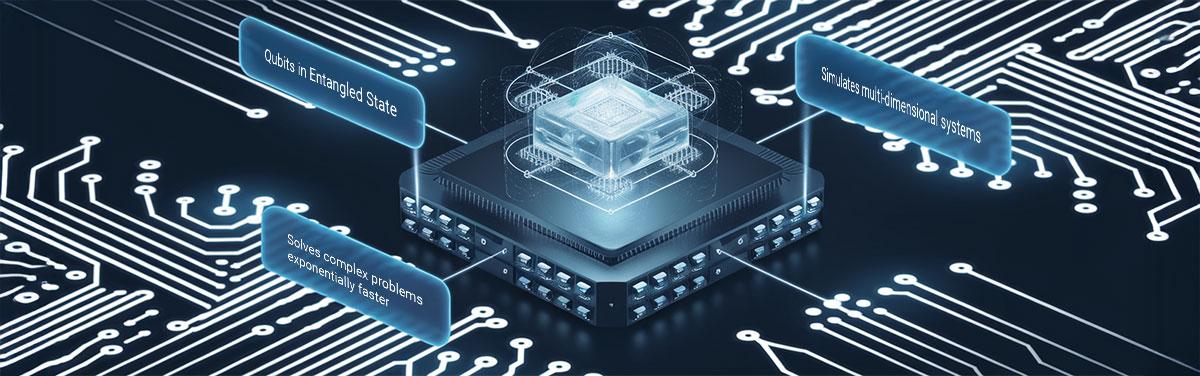
The rapid advancement of quantum computing technology has sparked global excitement. Unlike classical computers, quantum systems leverage the unique principles of quantum physics, such as superposition and entanglement, enabling them to solve complex problems exponentially faster. This vast computational power promises to disrupt fields from medicine to finance—and education is no exception.
The intersection of quantum computing and education not only prepares learners for future careers but also enriches pedagogy, research, and institutional innovation.As more educational leaders and policymakers recognize the impending quantum leap, now is the ideal time to explore how schools, universities, and online platforms can harness this emerging technology.
What is Quantum computing?
At its core, quantum computing utilizes quantum bits, or qubits, which differ from classical bits by holding multiple states simultaneously. This property, amplified by quantum phenomena, allows quantum computers to process vast amounts of information in parallel.
- Superposition: Qubits can exist in multiple states at once, increasing computational capabilities.
- entanglement: Qubits can be interlinked, ensuring changes to one affect the others instantly, even at a distance.
- Quantum Algorithms: algorithms designed for quantum computers can solve complex mathematical and scientific problems unfeasible for current systems.
the Potential of Quantum Computing in Education
The integration of quantum computing within educational settings can foster a new era of innovation. Here’s how quantum technologies are set to impact education:
1. Revolutionizing Curriculum and Learning Methods
- Quantum-Driven STEM Opportunities: Integrating quantum concepts into science, technology, engineering, and mathematics (STEM) curricula prepares students for advanced STEM careers.
- Interdisciplinary Learning: Quantum computing bridges physics, computer science, mathematics, and engineering, nurturing holistic educational approaches.
- Personalized Education: Quantum-powered analytics could help tailor learning experiences to individual needs, optimizing student outcomes.
2.Advancing research capabilities
- Faster Simulations: Quantum computers can simulate complex systems for fields such as chemistry and biology, accelerating scientific discovery and research output in academia.
- Enhanced Data Analysis: Handling massive datasets becomes practical, enabling deeper insights and more extensive educational research projects.
3. New Opportunities for Collaboration and Innovation
- Global Educational Networks: Quantum-powered platforms could enhance secure global collaboration among institutions and researchers.
- Remote Quantum Laboratories: Students worldwide could access cloud-based quantum computing labs, democratizing access to cutting-edge resources.
Benefits of Quantum Computing in Education
Embracing quantum computing promises significant benefits for students, educators, and institutions:
- Bridging the Skills Gap: Early exposure to quantum concepts ensures the future workforce is quantum-literate, meeting high industry demand.
- Inspiring Critical Thinking: Quantum mechanics challenges conventional thinking, fostering deeper problem-solving and analytical skills.
- Enabling Institutional Innovation: Quantum technologies enable universities to develop new educational models and lead in competitive research landscapes.
- Access to Real-World Applications: From cryptography to optimization,quantum computing offers practical learning experiences tied to current industry challenges.
- Advancing Equity in Education: Cloud-based access to quantum computers levels the playing field, enabling resource-strapped schools to access advanced tools.
Case Studies: Quantum Computing in Action
Several pioneering initiatives have already started integrating quantum computing into education. LetS explore a few inspiring case studies:
IBM Quantum Experience
IBM has democratized quantum education through its IBM Quantum Experience, a cloud-based platform where students and educators can run quantum algorithms on real quantum hardware. Courses, certificated programs, and open-access learning materials enhance accessibility for all.
Qiskit global Summer School
This annual virtual gathering draws thousands of students worldwide, offering free intensive instruction in quantum programming using qiskit, an open-source quantum computing framework. Many alumni have gone on to pursue advanced quantum research or careers in the tech industry.
Classroom Integration in Leading Universities
- MIT and Stanford offer dedicated courses on quantum algorithms and programming, featuring hands-on labs with access to quantum computers.
- University of Waterloo boasts the world-class Institute for Quantum Computing, where high school and undergraduate students explore quantum fundamentals through workshops and summer camps.
Practical Tips for Educators: Embracing Quantum Computing
Ready to integrate quantum computing into your institution or classroom? Here are actionable steps for a successful transition:
- Start with Fundamental Concepts: Incorporate quantum mechanics and introductory computing in the curriculum before delving into advanced topics.
- Leverage Open Educational Resources: Use free online platforms, such as IBM Quantum Experience and Qiskit tutorials, to provide hands-on learning opportunities.
- Collaborate Across Disciplines: Foster partnerships between physics, mathematics, and computer science departments to co-design quantum computing tracks.
- Provide professional Progress: Encourage faculty to attend workshops and summer schools to familiarize themselves with emerging quantum tools and teaching strategies.
- Connect with Industry Partners: Partner with technology companies at the forefront of quantum research to secure guest lectures, internships, and curriculum support.
- Promote Student Research Projects: Encourage students to engage in quantum-related research, hackathons, and competitions to apply their knowledge in real-world contexts.
Potential Challenges and How to Overcome Them
While the opportunities are substantial, integrating quantum computing into education does present obstacles:
- Lack of awareness: Address through awareness drives, webinars, and quantum literacy campaigns within schools and communities.
- resource Constraints: Leverage free or open-source quantum computing platforms and seek grants dedicated to STEM innovation.
- Shortage of Educators with Quantum Expertise: Invest in training programs and network with quantum research institutions for guidance and mentorship opportunities.
- Curriculum Development: Start with small, elective modules and expand as expertise and resources grow.
Future Outlook: what’s Next for Quantum Computing in Education?
The pace of quantum technological advancement is accelerating. As hardware matures and access platforms proliferate, educational institutions that invest early will position themselves—and their students—at the forefront of quantum innovation.
key trends to watch include:
- Growth of quantum literacy programs for K-12 and higher education.
- Expansion of remote quantum labs and virtual research communities.
- Development of interdisciplinary quantum degree programs.
- Integration of quantum algorithms into AI and data science curricula.
Conclusion: Embracing the Quantum opportunity
Quantum computing remains a transformative force for the educational sector. By embracing quantum technologies in education, schools and universities can nurture critical thinkers, bridge the STEM skills gap, and foster cutting-edge research.While challenges exist, resources and global collaborative networks make it easier than ever to begin the quantum journey. Now is the time for educators, administrators, and students alike to unlock the limitless potential of quantum computing—shaping not just the future of education, but the world itself.
Are you ready to shape tomorrow’s innovators? Start your institution’s quantum computing journey today!