
Unlocking the Mind: The Psychology Behind Gamification in Education
In the ever-evolving landscape of education, gamification has emerged as a transformative strategy for enhancing student engagement and learning outcomes. By integrating game elements into the classroom, educators are tapping into powerful psychological principles that drive motivation, participation, and deeper comprehension. But why does gamification have such a profound impact on our minds? This article delves deep into the psychology behind gamification in education, exploring its benefits, best practices, real-world examples, and providing actionable tips for educators.
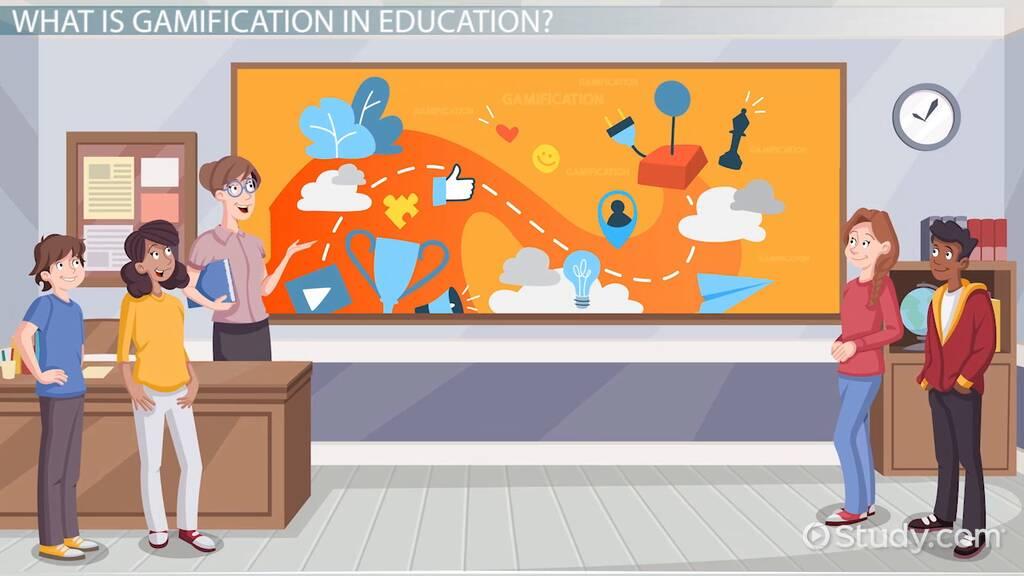
What is Gamification in Education?
Gamification in education refers to the request of game design elements—such as points, badges, leaderboards, and narratives—in non-game educational contexts. It can transform customary learning activities, making them more interactive and enjoyable. the essence of gamification is not to turn education into a video game, but to harness the motivational mechanics that make games so compelling and apply them to academic environments.
The Psychology Behind gamification
To understand the effectiveness of gamification in education, it’s essential to explore the psychological theories that underpin its success.Several key psychological concepts help explain why gamification works:
- Intrinsic and Extrinsic Motivation: Gamification leverages both intrinsic motivators (the desire to learn for personal satisfaction) and extrinsic motivators (earning points or rewards). By addressing multiple motivational drives, educators can cater to diverse student needs.
- Achievement and Competence: Game elements like levels and badges tap into the human drive for mastery, recognition, and achievement, encouraging students to push their boundaries.
- Cognitive Engagement: Interactive challenges and immediate feedback help boost attention span, memory retention, and critical thinking skills.
- Social Connection: Leaderboards and collaborative quests foster a sense of community, teamwork, and healthy competition among students.
- Behavioral Conditioning: Rewarding positive actions creates pathways for habit formation. Over time,students are more likely to repeat behaviors that are recognized and rewarded.
The Role of Dopamine and Positive Reinforcement
Gamification’s psychological power can also be traced to the release of dopamine, the brain’s reward chemical. Every achievement—be it unlocking a badge or topping the leaderboard—creates a small dopamine rush that reinforces the desire to participate and perform well. This positive reinforcement loop keeps students engaged and motivated throughout their learning journey.
Benefits of Gamification in Educational Settings
Gamification has proven to offer a wide range of benefits in educational environments, from primary classrooms to corporate training sessions. Here’s why more educators are incorporating gamified elements into their teaching methods:
- Enhanced Engagement: Interactive games and challenges capture students’ attention and make learning more appealing.
- Improved Retention: The use of points, quizzes, and storytelling aids memory retention and understanding.
- Personalized Learning: Individual progress tracking, adaptive challenges, and feedback allow students to learn at their own pace.
- Develops Problem-Solving Skills: Strategic games and puzzles cultivate critical thinking and decision-making abilities.
- Encourages Collaboration: Team-based activities foster dialog, leadership, and cooperative learning.
- Boosts Confidence: Small victories and progress updates build self-esteem, especially for students who struggle with traditional assessment methods.
Real-world Case Studies and Success Stories
Numerous educational institutions and online learning platforms have successfully integrated gamification in education. Below are some inspiring examples:
Kahoot! and Quizizz
Platforms like Kahoot! and Quizizz have revolutionized classroom engagement. By offering competitive quizzes, instant feedback, and rewards, teachers report higher participation and test scores.
Duolingo
The popular language learning app, Duolingo, utilizes streaks, experience points (XP), and leaderboards to incentivize daily learning. This gamified approach has helped millions stick to their language-learning goals.
Classcraft
classcraft transforms the classroom into a role-playing game (RPG) setting, where students gain experience and collaborate as a “team” to succeed. Studies show increased teamwork and improved classroom behavior.
Practical Tips for Implementing Gamification in the Classroom
Ready to introduce gamification into your teaching? Here are some best practices to maximize the positive impact of game-based learning:
- Start Small: Incorporate simple elements like quizzes, digital badges, or progress bars before adding more complex systems.
- Align With Learning Objectives: Ensure all gamification elements directly support your educational goals and curriculum standards.
- Provide Immediate Feedback: Timely responses reinforce correct actions and help students adjust quickly.
- Diversify Rewards: Use a mix of tangible rewards (stickers, certificates) and intangible ones (leaderboard positions, verbal praise).
- Foster collaboration: Integrate team-based challenges and group projects to boost social motivation.
- Keep It Voluntary: Allow students to opt-out or choose their level of participation for maximum comfort and willingness.
- iterate and Improve: Regularly gather feedback from students and adjust gamified activities to better fit their preferences and needs.
Firsthand Experiences: Insights from Educators
Countless educators have recognized the profound effects of gamification on their students. Here are some direct quotes and insights:
“The introduction of leaderboards and weekly badges transformed my classroom. Students who were previously disengaged became eager to participate and collaborate.” — Ms. Linda Wong, Middle School Teacher
“Gamification isn’t about making learning easy. It’s about making challenge enjoyable. Students respond incredibly well to setting their own goals and chasing achievements.” — Tomás García, Language Tutor
“I saw a marked improvement in retention and teamwork after introducing cooperative storytelling games. The element of fun made all the difference.” — Priya Sharma, Online Course Designer
Common Challenges and How to Overcome Them
While gamification offers tremendous promise, there are obstacles to consider:
- Over-competitiveness: Excessive focus on competition may demotivate some learners. Strike a balance between competition and collaboration.
- Game Fatigue: Overuse of game elements can diminish their impact. Vary your teaching strategies for sustained effectiveness.
- Inequity in Access: Ensure all students have access to required technology or materials for participating in gamified activities.
- Misalignment with Goals: Avoid using points and badges as distractions; they should support, not hinder, learning objectives.
Conclusion: The Future of Gamified Learning
Gamification in education is more than just a trend—it’s a powerful tool for unlocking the mind and enhancing the educational journey. By understanding the psychology behind its success, educators can harness game design principles to create vibrant, motivating, and memorable learning experiences.As technology continues to advance, gamification’s role in shaping the future of education grows ever more vital.Whether you’re a teacher, administrator, or lifelong learner, embracing the power of gamification can help every student achieve their full potential.
References
- Deci, E.L. & Ryan, R.M. (2000). The “what” and “Why” of Goal Pursuits: Human Needs and the Self-Determination of Behavior. psychological Inquiry.
- Deterding, S.,Dixon,D., Khaled, R., & Nacke, L. (2011). From Game Design Elements to Gamefulness: Defining “Gamification”.Proceedings of the 15th International Academic MindTrek Conference: Envisioning Future Media Environments.
- Hamari, J., Koivisto, J., & Sarsa, H. (2014). Does Gamification Work? — A Literature Review of Empirical Studies on Gamification. 2014 47th hawaii International Conference on System Sciences.