
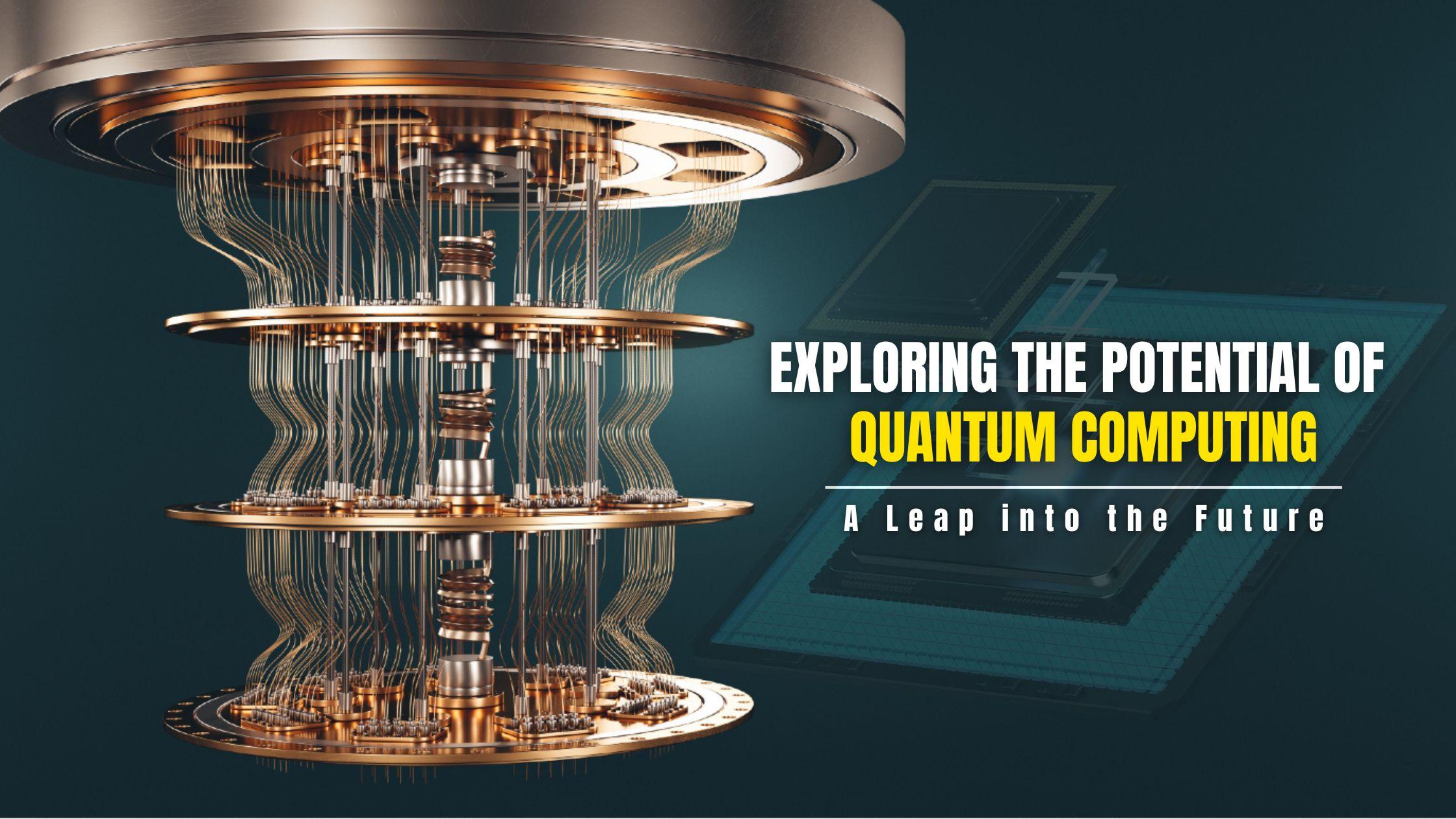
Unlocking the Potential of Quantum computing in Education: What the Future Holds
Quantum computing is more than just a buzzword in the world of technology—it’s a transformative force poised to revolutionize multiple fields, including education.As we stand at the intersection of conventional learning and futuristic advancements, understanding the potential of quantum computing in education becomes paramount. In this article, we explore how quantum computing is set to change the educational landscape, the benefits it brings to students and educators, and what the future might hold for academic institutions worldwide.
what is Quantum Computing?
Quantum computing is a branch of computing that leverages the principles of quantum mechanics to perform calculations at speeds unimaginable with classical computers. Unlike the binary “bits” in traditional computers (which represent a 0 or 1), quantum computers use “qubits,” which can exist in multiple states simultaneously due to superposition and entanglement.
- Superposition: Allows qubits to represent both 0 and 1 at the same time.
- Entanglement: Qubits can be correlated with one another, enhancing computational power exponentially.
This quantum parallelism makes quantum computing ideal for solving problems that are currently intractable for classical computers—especially in education, research, data analysis, and simulation.
how Quantum Computing Can Transform Education
Integrating quantum computing into education can bring forward an era of enhanced learning, analytical depth, and limitless possibilities for students and educators alike. Here’s how quantum computing is positioned to reshape the future of learning:
1. enriching STEM Education
Quantum computing introduces complex, real-world applications to subjects like mathematics, physics, and computer science. Incorporating hands-on learning with quantum algorithms and simulation tools can deepen students’ conceptual understanding and problem-solving skills.
- Hands-on quantum programming via cloud-based simulators and real quantum computers.
- New curricula that blend quantum theory, linear algebra, and computational thinking.
- Engagement through problem-based learning and interdisciplinary projects.
2. Empowering Research & Innovation
By giving students access to quantum technologies,universities can foster research and innovation in fields such as cryptography,chemistry,materials science,and artificial intelligence. This enables breakthroughs not feasible with classical resources.
- Secure communication through quantum cryptography exercises.
- Simulation of molecules and chemical reactions for advanced science courses.
- AI and optimization experiments leveraging quantum algorithms.
3. Preparing the Workforce of Tomorrow
As quantum-ready industries expand, ther’s a rising demand for quantum-literate professionals. By integrating quantum education early, institutions can close the quantum skills gap and ensure that graduates are job-ready for the careers of the future.
- Professional growth through certifications in quantum programming.
- Internships and collaborations with tech companies pioneering quantum research.
- Pathways for ongoing learning in emerging quantum disciplines.
Benefits of Using Quantum Computing in Education
Introducing quantum computing into educational settings offers a multitude of advantages:
-
Deeper Understanding of Essential Concepts:
Quantum mechanics, probability, and advanced mathematics become accessible through interactive experimentation.
-
Improved Problem-Solving abilities:
Students develop critical thinking and adaptability as they tackle complex quantum algorithms.
-
Access to Cutting-Edge resources:
cloud-based quantum platforms (like IBM Quantum experience and Microsoft Azure Quantum) democratize access to state-of-the-art technology, irrespective of institutional size or funding.
-
Fostering Collaborative Learning:
Quantum computing projects encourage teamwork, innovation, and cross-disciplinary dialog.
-
Greater Career Opportunities:
Early education in quantum computing opens doors to careers in research, IT, finance, pharmaceuticals, and beyond.
Real-World Case Studies: Quantum Computing in the Classroom
Let’s look at some examples of how quantum computing is already enhancing education in leading institutions:
Case Study 1: IBM Quantum and University Collaborations
IBM has partnered with over 150 universities worldwide to integrate quantum computing into their curriculum through the IBM Quantum Network. Students use IBM’s free cloud-based quantum computers to run experiments and develop quantum applications within their coursework, research, and hackathons.
Case Study 2: Qiskit Global Summer School
Hosted annually by Qiskit, this global online summer program offers immersive training in quantum computing. Undergraduate and graduate students gain hands-on experience through lectures, coding labs, and collaboration with leading researchers.
Case Study 3: Quantum Education at MIT
The Massachusetts Institute of Technology (MIT) has spearheaded quantum curricula, integrating quantum theory and computing into foundational courses. Their Quantum Computing Group provides open-access lectures and online content, broadening exposure far beyond campus boundaries.
Practical Tips for Introducing Quantum Computing in your institution
- Start Small: Begin with introductory webinars, workshops, or online courses in quantum basics.
- Leverage Open resources: Utilize free platforms like IBM Quantum Experience, qiskit, and Microsoft’s Quantum Development Kit.
- Partner with Tech Companies: Collaborate with organizations leading the charge in quantum research for guest lectures, resources, and real-world projects.
- Update Your Curriculum: Integrate quantum principles into existing STEM classes or develop elective courses in quantum computing.
- Encourage Interdisciplinary Learning: Quantum computing’s applications span mathematics, physics, engineering, and computer science—foster collaboration across departments.
First-Hand Experiences: Voices from the Quantum Learning Frontier
“Participating in my university’s quantum computing lab gave me a glimpse into the future of technology and changed the way I approach problem-solving. It was both challenging and empowering.”
– Maria L., computer Science Student
“Introducing quantum computing into our computer science curriculum has inspired unprecedented curiosity and collaboration among our students.”
– Dr. Aaron W., Professor, Department of Physics
The Future of Quantum Computing in Education
As quantum computing becomes more practical and widely available, its role in education will only intensify. We can anticipate:
- More Accessible Quantum Tools: user-friendly interfaces and cloud-based platforms will make quantum hardware and programming approachable for all levels of students.
- Personalized Learning: Quantum-powered AI could tailor educational content to the unique needs and learning styles of each student.
- New Research Frontiers: From drug discovery to financial modelling, students and researchers will tackle challenges that classical computers can’t solve.
- Expanded Global Collaboration: Real-time collaboration on quantum experiments and projects will bridge geographical and institutional divides.
To fully unlock the potential of quantum computing in education, continued investment in teacher training, student outreach, and partnerships with industry leaders is essential. The quantum revolution is not on the distant horizon—it’s here,and education is at the forefront.
Conclusion: Embracing quantum Computing for a Brighter Educational Future
Quantum computing stands poised to redefine education as we know it. By embracing this emerging technology, educators and students can open new pathways for exploration, creativity, and discovery. From revolutionizing STEM teaching to solving real-world problems, the integration of quantum computing in education is an opportunity that schools, universities, and learners cannot afford to miss.
As the technology matures, now is the ideal time for institutions to build foundational quantum programs, inspire a new generation of innovators, and prepare for the limitless potential that quantum computing in education promises.
Ready to explore the quantum future? Start your journey today and become part of the educational conversion that’s changing the world.