
Unlocking the Psychology Behind Gamification in Education: How Game elements Boost Student Engagement
In today’s digital age, educators are constantly seeking innovative strategies to improve student engagement and motivation. One captivating approach that has revolutionized classrooms worldwide is gamification in education. By integrating game elements into learning environments, teachers are not just making lessons fun—they are activating powerful psychological mechanisms that drive deeper learning and sustained interest. But how exactly does gamification tap into the psychology of learners? Let’s unlock the secrets behind this growing trend and discover practical ways to harness its potential in your curriculum.
What Is Gamification in Education?
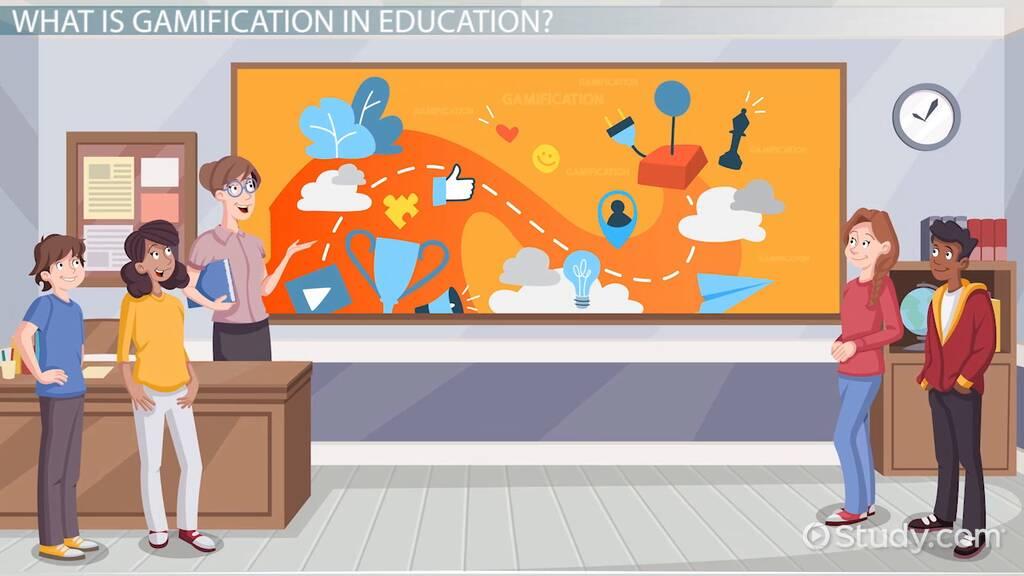
gamification refers to the request of game design elements—such as points,badges,leaderboards,challenges,and rewards—in non-game contexts such as education. unlike traditional educational games, gamification transforms existing learning activities by incorporating elements that make them more engaging and interactive. The goal is not to turn every lesson into a game, but to leverage the motivational power of games to enhance the learning experience.
- Points – Rewarding students for completing tasks or achieving milestones
- Badges – Visual portrayal of achievements
- Leaderboards – Friendly competition amongst students
- Challenges/quests – Thematic assignments that test skills
- Levels/Progress bars – Tracking and visualizing learning progress
The Psychology Behind Gamification in Education
The effectiveness of gamification lies in its ability to tap into key psychological drivers that influence human motivation and behavior. Hear’s how gamified learning captures the minds and hearts of students:
1.Intrinsic and Extrinsic Motivation
Gamification provides both external rewards (extrinsic motivation) like badges or points, and internal rewards (intrinsic motivation) such as the satisfaction from overcoming a challenge or mastering a skill. When students work toward meaningful rewards and feel mastery, their engagement skyrockets.
2. immediate Feedback and Sense of Progress
Game elements offer instant feedback, allowing learners to see the results of their actions right away. Progress bars and experience points help students visualize their advancement, which encourages persistence and resilience in learning.
3. Goal Setting and Achievement
Quests and challenges give students clear objectives, making learning purposeful. SMART goals (Specific, Measurable, Achievable, Relevant, Time-bound) embedded in gamification help break down complex tasks into achievable steps.
4. social Connection and Competition
Leaderboards and collaborative quests harness the power of social interaction. Students feel more connected and motivated when they see their peers striving alongside them.Friendly competition can encourage students to go the extra mile, but it’s crucial to maintain a positive, supportive surroundings.
5. Autonomy and Agency
Offering choices—such as which quest to attempt or how to earn points—gives learners a sense of control over their education, increasing their intrinsic motivation.
Benefits of Gamification in the Classroom
Implementing gamification in education can create a dynamic and supportive learning environment. Here are some evidence-backed benefits:
- Enhanced Student Engagement: Game-like elements make routine tasks more inviting and enjoyable, leading to higher participation rates in class activities.
- Improved Motivation: By setting up goals and providing recognition,gamification boosts students’ willingness to keep trying,even when faced with challenges.
- increased Retention and Understanding: Interactive, hands-on experiences often enhance memory and understanding of complex subjects.
- Advancement of 21st Century Skills: Collaboration, critical thinking, and problem-solving are integral parts of most gamified activities.
- Personalized Learning Journey: Adaptable challenges and levels let students progress at their own pace and receive personalized feedback.
Real-World Case Studies: Gamification Success Stories in Education
Gamification has successfully transformed classrooms worldwide.Here are two notable examples demonstrating its impact:
Case Study 1: Classcraft
Classcraft is a popular classroom gamification platform used in schools across the globe. Teachers report that integrating its RPG-style quests, points, and teamwork elements has led to:
- Up to 68% increase in student participation
- Improved classroom behavior
- More positive attitudes towards learning
Case Study 2: Kahoot!
Kahoot! turns quizzes and assessments into interactive games with points, timers, and leaderboards. Major outcomes include:
- Higher test scores and knowledge retention
- Increased enthusiasm for revision and competition
- Fostering collaborative learning and peer-to-peer teaching
Practical Tips for Implementing Gamification in Your Curriculum
Excited to integrate gamification into your teaching toolkit? Here’s how to get started and maximize results:
- Start Small: Add simple game elements like progress bars, points, or badges to existing lessons to avoid overwhelming yourself or your students.
- Align Rewards with Learning Objectives: Make sure that points, badges, and leaderboards reinforce the skills and behaviors you want students to develop.
- Promote Collaboration, Not Just Competition: Create opportunities for teamwork and shared quests to foster a sense of community.
- Gather Feedback and Iterate: Regularly ask students what they enjoy and what challenges they face to fine-tune your gamified activities.
- Leverage Technology: Platforms like Classcraft, Kahoot!, and Duolingo make it easy to implement engaging game mechanics.
- Build a Narrative: Create a storyline or adventure that weaves through your curriculum to keep students invested in the outcome.
first-Hand Experiences: Teachers and students Speak
Educators and students alike are reporting remarkable experiences with gamification in their learning journeys.
Ms. Tran, High School Science Teacher:
“Introducing gamification in my classes has been a game-changer. Students are more keen, collaborate better, and assessments have become exciting challenges rather than dreaded tests.”
Ahmed, 7th Grade Student:
“I love earning badges and seeing my progress on the class leaderboard. It makes learning feel like an adventure, and I always want to try my best.”
Common Challenges and How to Overcome Them
no educational innovation is without its hurdles. Here’s how to address some common challenges of gamification in education:
- Overemphasis on Competition: Balance leaderboards with collaborative achievements to maintain a healthy and inclusive classroom culture.
- Technical barriers: choose age-appropriate, accessible platforms, and ensure support for students with limited device access.
- Motivation Plateaus: Refresh content regularly and introduce new challenges to sustain student interest over time.
- Time Investment: Plan gamified activities in advance, and integrate them gradually into the curriculum.
Conclusion: Transforming learning Through Gamification
Unlocking the psychology behind gamification in education demonstrates that learning doesn’t have to be a passive or monotonous experience. By weaving in engaging game elements, educators can spark excitement, build resilience, and nurture an enduring love for learning among students of all ages. With thoughtful planning and the right digital tools, every teacher can benefit from gamification’s power to boost student engagement, motivation, and achievement. So, why not embark on your own gamified teaching adventure today?
Related articles:
- Top 10 Gamification Tools for Classrooms
- How Technology Increases Student Motivation
- Effective Strategies for Boosting Student Engagement
Start your gamification journey today and witness a remarkable conversion in your classroom engagement!