
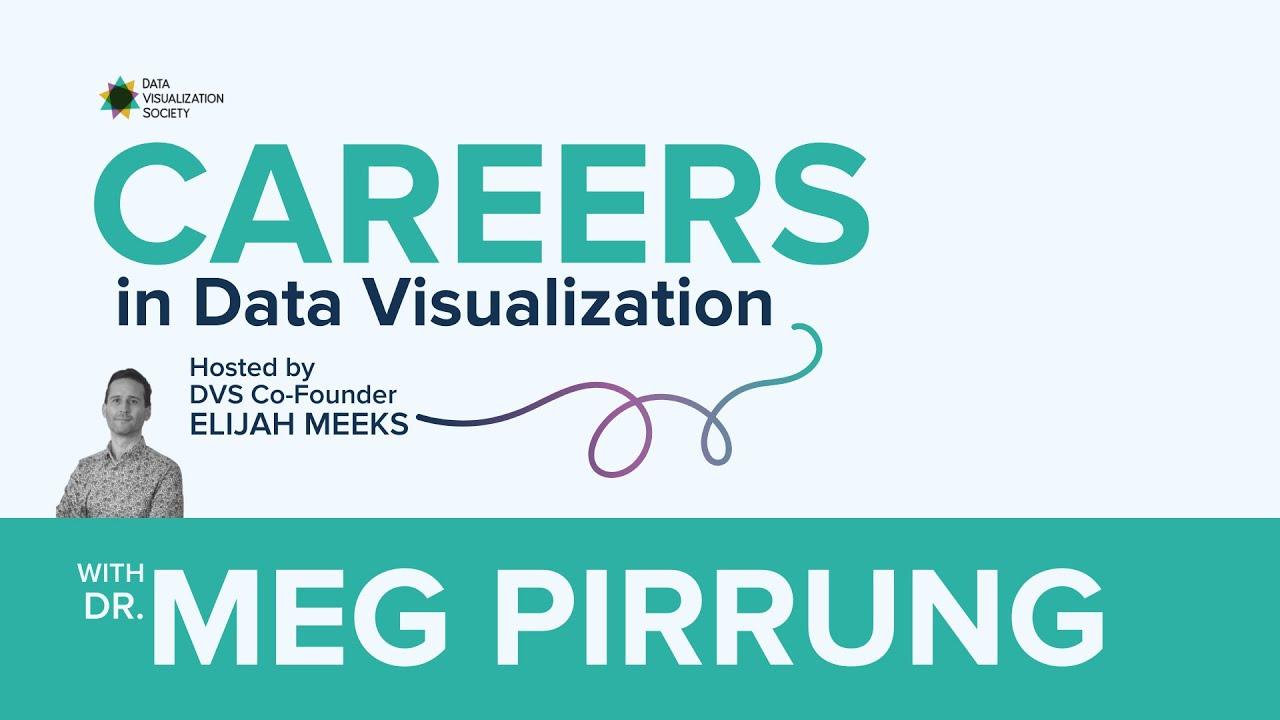
Unlocking the Role of a Data Visualisation Specialist in EdTech: Skills, Impact, and Career Path
Are you passionate about education technology and keen to shape tomorrow’s learning environments? The role of a data Visualisation Specialist in edtech is an exciting, impactful, and evolving career path for professionals who love turning complex data into meaningful stories that drive informed decisions in schools, colleges, and universities. In this article, we will explore what it takes to succeed as a Data Visualisation Specialist in educational technology, the skills required, the measurable impact on learning, and the pathways available for career development in this dynamic field.
What Is a Data Visualisation Specialist in EdTech?
A Data Visualisation Specialist in EdTech bridges the gap between raw educational data and actionable insights. By designing intuitive, interactive, and accessible visual representations, these professionals allow teachers, administrators, and policy makers to better understand student performance, curriculum effectiveness, technology integration, and more.
- Role Overview: Transform educational data into charts, maps, dashboards, and reports for clear decision-making.
- Typical Settings: Universities, colleges, public and private schools, research centers, and EdTech companies.
- Key Stakeholders: Instructors,learning designers,administrators,students,data analysts,and IT teams.
Core Responsibilities of a Data Visualisation Specialist in Education
The daily responsibilities of a Data Visualisation Specialist in EdTech can vary depending on the institution or project. However, common duties include:
- Collaborating with institutional stakeholders to identify data needs
- Designing and developing compelling data visualisations that are accessible and educationally relevant
- Cleaning, processing, and analysing complex data sets
- implementing dashboards and real-time reporting systems for student progress, engagement, and outcomes
- Training educational staff to interpret and utilize visualisations effectively
- Providing recommendations based on data trends and patterns
- Ensuring compliance with student data privacy and ethical guidelines
Key Skills for a Data Visualisation Specialist in EdTech
Academic institutions seek a blend of technical and soft skills when hiring Data Visualisation Specialists:
Technical Skills
- Data Mining & Analysis: Proficiency in handling large educational data sets and statistical analysis.
- Visualisation Tools: proficiency in Tableau, Power BI, Google Data Studio, D3.js, or similar platforms.
- Programming: Solid knowledge of Python, R, or JavaScript to customize data solutions.
- Database Management: Skills in SQL, NoSQL, or database platforms like MySQL and MongoDB.
- UI/UX Design: Understanding of user experience principles to produce intuitive visualisations.
Soft Skills
- Dialog: Ability to translate complex data into simple, actionable visuals and insights for non-technical audiences.
- Problem-Solving: Innovative approaches to detect patterns,issues,and opportunities in educational settings.
- Collaboration: Working closely with educators, IT, and administrative staff for integrated solutions.
- Project Management: Managing the full lifecycle of data visualisation projects efficiently.
The Impact of Data Visualisation Specialists on Education
As learning environments become increasingly digital, the presence of Data Visualisation specialists in EdTech has proven transformative:
- Personalized Learning: Supporting adaptive learning technologies that personalize content for each student.
- Curriculum Improvement: Analyzing assessment results to drive improvement in course delivery and materials.
- Student Success Initiatives: Tracking engagement and identifying at-risk students early for timely intervention.
- data-Driven Decision-Making: Empowering faculty and administrators to make informed choices about resource allocation and program effectiveness.
- Institutional Reporting: Streamlining accreditation, compliance, and benchmarking reporting through automated data visualisations.
The ability to visualize learning data not only streamlines school operations but also directly supports improved academic outcomes and student satisfaction.
Career Pathways: How to Become a Data Visualisation Specialist in EdTech
If you’re ready to pursue a rewarding career as a Data Visualisation Specialist in EdTech,here are the typical steps:
1. Educational Background
- Bachelor’s degree in fields such as Data Science, Computer Science, Information Technology, Statistics, Mathematics, or Educational Technology.
- Advanced degrees (Master’s or PhD) may offer competitive advantages and open doors to leadership or research roles.
2.Technical Training & Certifications
- Certifications in data visualisation tools (e.g., Tableau certified Professional, Microsoft Power BI Certification).
- Workshops or short courses in statistical analysis, educational data mining, or dashboard development.
3.Relevant Work Experience
- Internships or entry-level data analysis roles in educational settings or EdTech firms.
- Portfolio creation: Participate in research or volunteer projects focused on educational improvement through data visualisation.
4. Continuous Professional Development
- Stay up to date with EdTech trends, new educational data protocols, and emerging visualization tools.
- Attend EdTech conferences, webinars, and professional networking events.
Benefits of Being a Data visualisation Specialist in Education Technology
- Job Satisfaction: Directly contribute to improving teaching, learning, and educational outcomes.
- Diverse Opportunities: Work in universities,schools,EdTech companies,or as a consultant for multiple institutions.
- Competitive Salaries: Median salaries range from $60,000 to $100,000+ USD annually, depending on experience and location.
- Remote Adaptability: Many roles offer hybrid or fully remote work options.
- Professional Growth: Opportunities to advance into senior analyst, data science, or leadership positions in education.
Practical Tips for Job Seekers in EdTech Data Visualisation
- Build a Strong Portfolio: Create a collection of interactive dashboards, charts, and educational data stories to showcase your skills.
- Tailor Your Resume: Highlight technical proficiencies, project outcomes, and experience collaborating in educational environments.
- Network Strategically: engage with professionals in EdTech communities and academic conferences to discover new job opportunities.
- Develop Sector-Specific Knowledge: Understand educational assessment models, curriculum standards, and data privacy laws (like FERPA or GDPR).
- Showcase Communication Skills: Be ready to explain complex visualisations to non-technical audiences during interviews and presentations.
- Pursue Mentorship: Connect with experienced EdTech professionals for guidance and career advice.
Future Trends and Opportunities in EdTech Data Visualisation
The need for Data Visualisation Specialists in EdTech will continue to rise as educational institutions embrace big data, learning analytics, and AI-driven decision-making. Key trends shaping the future include:
- Increased Focus on Real-Time data: Institutions favor dashboards providing immediate actionable insights.
- Integration with AI and Predictive Analytics: Visualising predictive models to forecast student performance or resource allocation needs.
- greater Accessibility: Design for inclusivity, making visualisations usable for all learners, including those with disabilities.
- Data Privacy Innovations: Evolving standards require specialists to prioritize ethical data use and security.
- Collaborative Platforms: Tools that allow multi-user interaction and collaborative analysis are gaining traction.
Conclusion: Is a Data Visualisation specialist Career in EdTech Right for You?
A career as a Data Visualisation Specialist in EdTech offers inspiring opportunities to blend technology,education,and creativity to make a real difference in how schools,colleges,and universities leverage data. If you’re excited by the prospect of turning numbers into narratives that improve student learning and institutional performance, this is a highly rewarding path to consider. Focus on developing essential technical skills, building a strong portfolio, and staying current with edtech trends, and you’ll be well-positioned for success in this growing, impactful field.
Explore this dynamic role further, and take the next step toward empowering education through the power of data visualisation!