
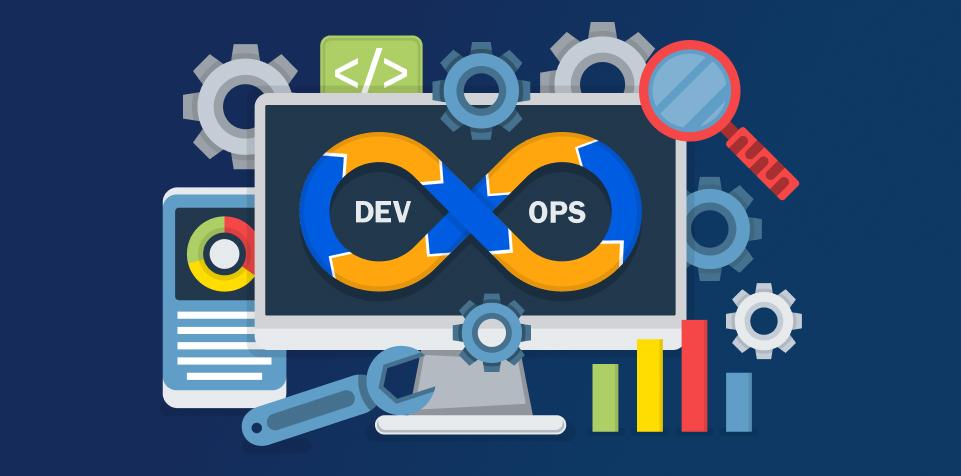
unlocking the Role of a DevOps Engineer in Modern Education Systems: Key Skills & Career Guide
In today’s technology-driven landscape, universities, colleges, and schools are increasingly embracing advanced systems to streamline operations and transform the learning experience. Education technology (EdTech) has quickly become the backbone of modern academia, and at the heart of this revolution lies the transformative role of the DevOps engineer. If you’re a job seeker aiming for a fulfilling career in education technology, understanding DevOps engineering in educational institutions is the key to unlocking exciting opportunities and making a real impact.
Introduction to DevOps Engineering in Education
From virtual classrooms to digital grading systems and online academic resources, educational institutions must deliver seamless, secure, and reliable experiences for students, faculty, and administrators. As a DevOps engineer in education systems,you play a critical role in bridging the gap between software growth and IT operations,ensuring that educational technology solutions are efficiently deployed,maintained,and scaled to meet institutional needs.
This comprehensive guide will walk you through the scope of a DevOps engineer in the EdTech sector, essential skills, potential career paths, real-world benefits, and practical tips to accelerate your hiring journey.
What does a DevOps Engineer Do in Educational Institutions?
The DevOps engineer role in education is multifaceted.You’ll be responsible for automating and optimizing the software development lifecycle,maintaining cloud infrastructure,implementing robust security protocols,and delivering enduring solutions for evolving educational needs.Here’s what your day-to-day may include:
- Designing, developing, and deploying scalable applications and platforms for classrooms, libraries, and administrative systems
- Automating testing, integration, and deployment processes to improve software quality and speed
- Maintaining reliable virtual learning environments (VLE), Learning Management Systems (LMS), and content delivery networks
- Collaborating with IT staff, educators, and administrators to align technology solutions with institutional goals
- Monitoring system performance and proactively resolving technical issues
- Ensuring data security, privacy compliance (such as FERPA), and robust backup strategies
By integrating DevOps practices, educational institutions gain agility in deploying new digital tools, updating course material, and supporting high volumes of concurrent users.
Key Skills Required for a DevOps Engineer in Education Technology
If you’re looking to become a DevOps engineer in the education sector, possessing a blend of technical competencies and soft skills is essential. Hiring committees at universities, colleges, and K-12 schools often look for the following:
Technical Skills
- cloud Platforms: Proficiency in AWS, Azure, or google Cloud Platform for hosting applications and managing storage.
- Configuration Management: Experience with tools like Ansible,Puppet,or Chef to automate infrastructure deployment.
- CI/CD Pipelines: Knowledge of Jenkins, GitLab CI, or similar tools to streamline code integration and deployment.
- containerization & Orchestration: Docker and Kubernetes are vital for request scalability and resilience.
- Security Best Practices: Understanding of data encryption, access control, and compliance standards specific to educational data.
- Monitoring & Logging: Familiarity with Nagios, Prometheus, Splunk, or similar solutions to track system health and troubleshoot issues.
- Scripting languages: Python, bash, or PowerShell for automating repetitive tasks and developing custom tools.
Soft Skills
- Collaboration: Work closely with academic and administrative teams to understand user requirements and priorities.
- Problem-solving: Quickly diagnose and resolve issues in high-pressure educational environments.
- Adaptability: Pivot smoothly between multiple projects and stay updated with EdTech trends.
- Communication: Translate complex technical concepts for non-technical stakeholders.
Continuous learning and professional certifications (e.g.,AWS Certified DevOps Engineer,Kubernetes Administrator) can give you an edge in this competitive job market.
The Benefits of DevOps Engineering in Educational Environments
Why do universities and schools prioritize DevOps hiring for EdTech roles? devops principles are transforming educational systems in several impactful ways:
- Improved System Reliability: automated monitoring and rapid incident response minimize downtime, keeping digital classrooms accessible at all times.
- Faster Deployment of New Features: Agile methodologies enable educational platforms to quickly adapt to curriculum changes or new learning tools.
- Enhanced Collaboration: Breaking down silos between development and IT teams fosters innovation and problem-solving.
- Cost Efficiency: Resource optimization and scalable cloud solutions reduce infrastructure expenses.
- Increased Security: Continuous integration of security practices protects sensitive academic data.
- Better Student and Faculty Experience: Seamless technology enables more interactive, engaging, and effective teaching and learning.
In essence, skilled DevOps professionals in schools and universities ensure that EdTech works smoothly, supporting the institution’s mission and goals.
Career Growth & Opportunities in DevOps for education
The demand for DevOps engineers in the education sector is rapidly rising, driven by ongoing digital transformation in academia. As an education technology DevOps engineer, your career can progress in several directions:
- Transition into leadership positions such as DevOps Lead, Infrastructure Manager, or Chief Technology Officer
- Specialize in cloud architecture, cybersecurity, or data engineering roles
- Consult for multiple educational institutions or contribute to EdTech startups
- engage in research and innovation to create next-generation learning technologies
With experience, you can become a pivotal part of strategic decision-making in academic digital initiatives, helping to set the tech agenda and ensure long-term educational excellence.
Real-World Examples: DevOps in Action at Universities and Schools
Consider these practical applications of DevOps in education:
- Virtual Classroom Scalability: When a university launches remote classes, DevOps engineers ensure video conferencing platforms can scale rapidly to accommodate tens of thousands of users without lag or downtime.
- LMS Updates & Reliability: Coordinating continuous integration and deployment pipelines enables faster rollouts of new assignments, quizzes, and learning modules, improving the online learning experience.
- Data Privacy: Implementing automated compliance checks as part of CI/CD pipelines ensures that student records remain confidential and secure, meeting regulatory standards.
- Disaster Recovery: Automated backups and failover processes reduce the risk of data loss from hardware failures or cyber events, allowing quick restoration of digital resources.
These scenarios highlight the value of dedicated DevOps teams in ensuring educational continuity and security.
How to Land a DevOps Engineer Job in Education Technology
Ready to break into a DevOps role at a university, college, or school? Here are actionable steps to increase your chances of success:
- Build a Strong Portfolio: Showcase projects involving cloud deployment, automation scripts, or edtech integrations. Public repositories on platforms like GitHub can make your skills tangible for recruiters.
- Pursue Relevant Certifications: Cloud and DevOps certifications demonstrate up-to-date expertise that many education organizations value.
- Network Within Academia: Attend educational technology conferences, participate in online education communities, and connect with IT staff at local schools or universities.
- Tailor Your Resume: Highlight technical skills, project outcomes, and any previous experience in educational or non-profit sectors. Use keywords like “DevOps in education,” “LMS deployment,” and “IT automation for schools.”
- Stay Abreast of EdTech Trends: Knowledge of current tools, platforms, and challenges faced by educators will help you tailor your solutions and demonstrate forward-thinking during interviews.
Consider contributing to open-source educational projects or volunteering for school IT initiatives to gain relevant experience and expand your professional network.
Practical Tips for Excelling as a DevOps Engineer in Educational Institutions
- Understand Stakeholder Needs: Hold regular meetings with teachers, administrators, and students to ensure technical solutions address actual pain points.
- Prioritize Security and Compliance: K-12 and higher education environments handle sensitive data, so stay updated on legal and ethical requirements for data protection.
- Embrace Automation: Look for routine processes ripe for automation to free up time for strategic initiatives.
- Promote a Culture of Continuous Learning: Foster workshops or collaborative hackathons to build digital confidence across educational teams.
- Document Everything: Detailed, accessible documentation of systems and processes will ease onboarding and maintenance in the fast-changing EdTech space.
Conclusion
The role of a DevOps engineer in modern education systems is more vital than ever. As schools and universities embrace digital transformation, DevOps professionals become the linchpins ensuring reliability, scalability, and security of educational technology. Armed with technical mastery, collaborative spirit, and a passion for education, you can help redefine the future of learning. Start building your skills, stay connected to education technology trends, and pursue a career that merges technological innovation with meaningful social impact. The future of education depends on dedicated, talented individuals like you—step into the world of DevOps in education and be a catalyst for change!