
Unlocking the Role of a Learning Architect: Skills, Responsibilities, and Career Path Explained
In today’s digitally driven academic landscape, the role of a Learning Architect is rapidly emerging as a cornerstone in educational technology across universities, colleges, and schools. If you’re a job seeker aiming to contribute to meaningful innovation in EdTech, understanding the multifaceted nature of this position can propel you towards a fulfilling career. In this extensive guide, we’ll break down what a Learning Architect does, essential skills to cultivate, core responsibilities, real-world benefits, and practical tips to start your professional journey in education technology.
What Is a Learning Architect?
The term Learning Architect refers to an expert who designs, implements, and manages systematic learning experiences leveraging educational technology, instructional design, and curriculum innovation. Unlike traditional roles such as instructional designers or eLearning specialists, a Learning Architect takes a more holistic approach, crafting the overall structure and strategy of learning ecosystems that optimize student engagement and outcomes.
Learning Architects play key roles at universities, colleges, and K-12 schools by integrating digital methodologies with pedagogical theory to create scalable, accessible, and impactful learning environments.
The Growing Demand for Learning Architects in Education Technology
As institutions increasingly adopt online and blended learning, the need for specialized professionals who can architect robust educational frameworks has soared. EdTech companies, academic institutions, and consulting agencies now actively seek Learning Architects to lead next-generation educational innovation, making it an exciting career path for technology- and education-minded professionals.
key Skills Required for a Learning Architect
To excel in the role of a Learning Architect, prospective candidates should focus on developing a broad range of technical, analytical, and interpersonal skills:
- Instructional Design Expertise: Ability to analyze learning objectives, design curriculum frameworks, and select appropriate instructional strategies.
- Technical Proficiency: Knowledge of Learning Management Systems (LMS), content authoring tools, analytics platforms, and emerging EdTech trends like AI and AR/VR.
- Needs Analysis: Conducting assessments to identify gaps in the current learning experience and recommending technology-driven solutions.
- Project Management: Skill in planning, executing, and tracking projects, including budgeting and resource allocation.
- Pedagogical Knowledge: Understanding modern teaching practices, learning theories, and educational standards.
- Collaboration and Communication: Working closely with faculty, IT specialists, learners, and other stakeholders to translate requirements into effective solutions.
- Data-Driven Decision Making: Utilizing learning analytics and feedback to continually refine learning pathways.
Core Responsibilities of a Learning Architect
Learning Architects assume pivotal roles within academic teams, with responsibilities often including:
- Designing Learning Ecosystems: Architecting both physical and virtual environments that promote active, personalized learning.
- Integrating Technology: selecting and implementing EdTech tools that align with pedagogical goals.
- Developing Curriculum: Collaborating with educators to design courses, modules, and assessments using best practices.
- Ensuring Accessibility: Guaranteeing that learning solutions adhere to accessibility standards and accommodate diverse learning needs.
- training and Support: Equipping faculty and students with necessary training to maximize technology adoption and effectiveness.
- Assessment and Evaluation: Measuring the impact of instructional interventions and recommending improvements based on analytics.
- Change Management: Leading transition initiatives when introducing new tools or curricula to minimize disruption and cultivate buy-in.
Career Path and Opportunities in the EdTech Sector
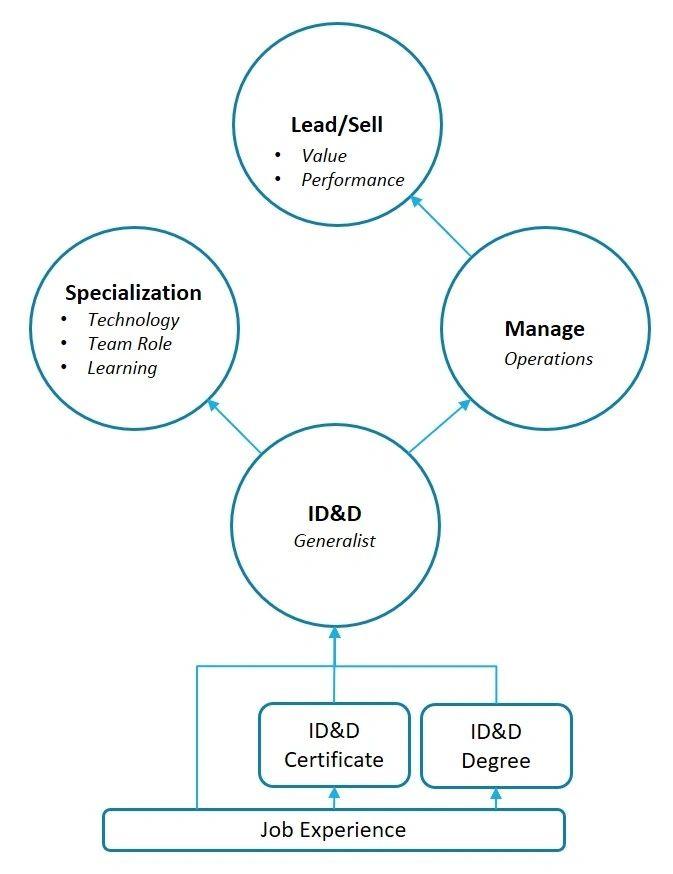
The field of educational technology offers a rich and dynamic career trajectory for aspiring Learning Architects. Here’s a typical progression:
- Entry-Level: Begin as an instructional designer, curriculum developer, or eLearning coordinator at a university, college, or school.
- Mid-Level: Advance to positions such as senior Instructional Designer, Learning Technology Specialist, or Training Manager with direct involvement in learning ecosystem design.
- Learning Architect: Take on strategic roles as Lead Learning Architect, EdTech Project Leader, or Digital Curriculum Manager, focusing on holistic educational change.
- Executive and Consulting: Grow into roles like Director of Learning Innovation, Chief Learning Officer, or EdTech consultant, shaping the future of academic technology deployment at institutional, district, or national levels.
With ongoing professional growth, certifications, and advanced degrees in education technology or instructional design, opportunities for career advancement continue to expand. The versatility and impact of this role make it a popular option for those eager to influence how institutions leverage technology for meaningful learning.
Benefits of Becoming a Learning Architect
Pursuing a career as a Learning Architect at universities, colleges, and schools offers numerous advantages:
- High Demand: Growing investment in digital learning elevates job stability and competitive salaries.
- Impactful Work: Directly contribute to transforming education and enhancing student engagement.
- Creative Freedom: Opportunities to innovate with cutting-edge technology and instructional strategies.
- collaboration: Work alongside educators,administrators,technologists,and learners.
- Professional Growth: Access to regular training, industry conferences, and networking within the EdTech sector.
- Flexibility: Potential for remote work, consulting, and project-based assignments.
Essential Qualifications and Certifications
While not all institutions require the same credentials, a combination of education and certifications significantly strengthens your candidacy:
- Bachelor’s Degree: Typically in education, instructional design, educational technology, or a related field.
- Master’s Degree (Preferred): Specialization in education technology or curriculum development increases marketability.
- certifications: Credentials such as the Certified Instructional Designer, Learning Architect Certification, or Google Educator streamline your application process and verify your expertise.
- professional Development: participation in workshops, webinars, and industry groups keeps skills current and relevant.
Practical tips for Aspiring Learning Architects
Breaking into the field and growing in your role as a Learning Architect requires strategy, persistence, and ongoing learning. Here are practical tips:
- Build a Diverse Portfolio: Showcase varied projects, including course designs, digital content, and pedagogical models – ideally with measurable results.
- Network Within EdTech communities: Attend industry events, join professional associations, and engage in online forums to stay updated and connected.
- Stay Tech-Savvy: Regularly explore emerging EdTech solutions, LMS updates, and instructional trends.
- Develop Soft Skills: Communication, leadership, and collaboration are just as vital as technical knowledge.
- Seek Mentorship: Connect with experienced Learning Architects or instructional designers for guidance and career advice.
- Embrace Continuous Learning: Invest in ongoing education and certifications to maintain a competitive edge in a fast-evolving field.
Conclusion: Is a Career as a Learning Architect Right for You?
If you’re passionate about shaping the future of education through technology and innovative design, the role of Learning Architect presents an exciting and rewarding pathway. With a blend of creative problem-solving,strategic thinking,and technological proficiency,you can make a lasting impact on learners and educators at universities,colleges,and schools alike. Whether you’re seeking purpose-driven work or looking to climb the EdTech career ladder, mastering the responsibilities and skills of a Learning Architect will position you at the forefront of educational transformation.
Start your journey today by building the relevant expertise, networking with industry professionals, and pursuing opportunities that allow you to use your talents where they matter most – in the future of learning.