
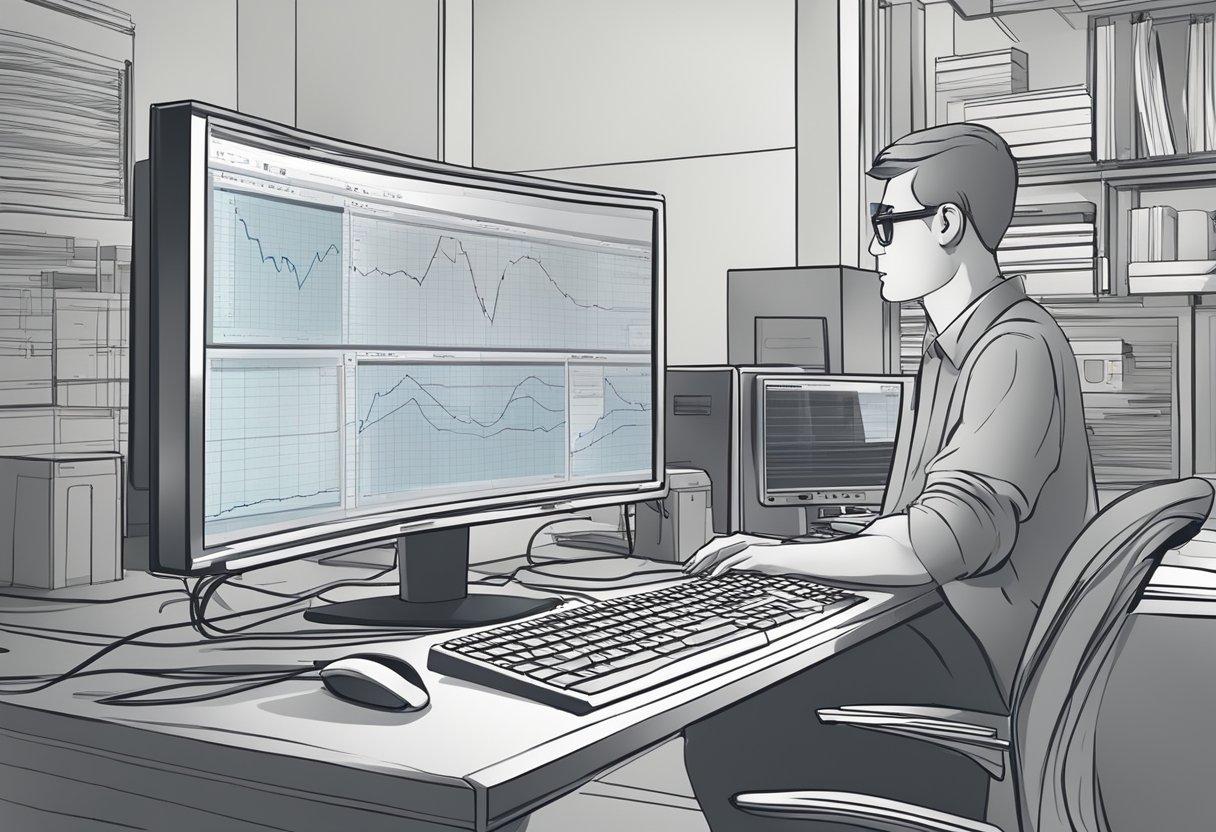
Unlocking the Role of a Motion Graphics Designer in E-Learning: Key Skills & Career Insights
As the demand for engaging and interactive digital education continues to grow, education technology jobs are evolving rapidly, especially within schools, colleges, and universities. Among these, the Motion graphics Designer plays a pivotal role in transforming traditional learning materials into visually dynamic and effective e-learning content. If you’re seeking a rewarding career in education technology, understanding the key responsibilities, essential skills, and career pathways for motion graphics designers in e-learning can position you for greater success.
Introduction to Motion Graphics Design in E-Learning
Motion graphics design is a specialized field merging animation, graphic design, and visual storytelling to create dynamic visuals that simplify complex facts. In the context of e-learning, especially at universities and colleges, motion graphics enhance lectures, tutorials, and digital coursework, promoting better knowledge retention and making learning more accessible and enjoyable.As e-learning platforms continue to flourish, so does the demand for creative professionals who can elevate educational content with their artistic and technical expertise.
Key Responsibilities of an E-Learning Motion Graphics Designer
Working as a motion graphics designer in education technology offers a variety of exciting and impactful responsibilities. Here’s what you can expect when you step into this role:
- Conceptualizing and Designing Educational Content: Collaborate with educators and instructional designers to convert curricula into compelling animations and graphics.
- animating Visual Elements: Produce animated illustrations, infographics, and explainer videos that enhance understanding of complex topics.
- Enhancing User Engagement: Develop interactive visuals to keep learners motivated and engaged throughout their coursework.
- Ensuring Brand and Accessibility Consistency: Align all visual content with the institution’s guidelines and make sure materials are accessible to all learners.
- Collaborating in Cross-Functional Teams: Work closely with developers, educators, and IT teams to integrate motion graphics seamlessly into e-learning modules and LMS platforms.
Essential Skills for motion Graphics Designers in Education Technology
To excel as a motion graphics designer in the education sector, a mixture of technical competence, creative flair, and educational acumen is indispensable. Here’s a breakdown of the core skills employers typically seek:
Technical Skills
- Proficiency in Industry software: expertise in Adobe After Effects, Premiere Pro, Photoshop, Illustrator, and other animation tools is critical.
- 2D/3D Animation: Ability to create both flat and three-dimensional animations enhances instructional content versatility.
- Video Editing: Skill in editing educational videos to ensure clarity, pacing, and visual appeal.
- Audio Integration: Understanding of syncing audio and visuals for a cohesive learning experience.
Creative and Educational Skills
- Storyboarding: Develop clear, concise storyboards that map out educational videos.
- Visual Storytelling: Translate complex subjects into simple, engaging animations that resonate with students.
- User Experience (UX) Awareness: Design with learner accessibility and user engagement in mind.
Soft Skills
- collaboration: Ability to work within multidisciplinary teams including teachers,instructional designers,and IT staff.
- Communication: Articulate visual ideas and feedback effectively, both verbally and in writing.
- Time Management: Handling multiple projects while meeting strict educational deadlines.
- Problem-Solving: Address technical and educational challenges creatively in dynamic environments.
Career Pathways and opportunities in Educational Institutions
Universities, colleges, and schools increasingly value motion graphics expertise as they expand their digital learning offerings. Career opportunities in this field are diverse, allowing you to specialize or expand your toolkit over time:
- in-House Motion Graphics Designer: Work directly within an institution’s e-learning or education technology division.
- Instructional Media Specialist: Combine graphics skills with curriculum design to build thorough digital courses.
- E-Learning Content Developer: Be involved in entire course creation, from ideation to finished multimedia products.
- Freelance or Consultant: Assist multiple institutions in elevating their learning experiences on a project basis.
- Project Lead or Team manager: As you gain experience, move into roles overseeing digital media teams for large-scale e-learning initiatives.
Additionally, pursuing professional certifications or continuing education in instructional design, accessibility, or advanced animation can open doors to senior or specialized roles.
Benefits of Being a Motion Graphics Designer in Education Technology
Joining the education sector as a motion graphics designer goes beyond a creative outlet—it allows you to make a real difference in how knowledge is absorbed and retained. Key benefits include:
- Making Learning Accessible and Fun: Use your talents to break down barriers and make education more inclusive for diverse learner populations.
- Prospect for Creative expression: Constantly experiment with visuals, styles, and animations to keep content exciting.
- Personal and professional Growth: Acquire new skills as educational technology evolves.
- Job Security and Demand: With the ongoing expansion of online education, the need for talented motion graphics designers continues to rise.
- Potential for Remote and Flexible Work: Many institutions support remote roles or hybrid work, offering a better work-life balance.
Practical Tips to Land a Job as a Motion Graphics Designer in E-Learning
Interested in breaking into this dynamic and meaningful career? here are some expert tips for job seekers aspiring to motion graphics roles in educational institutions:
- Build a Targeted Portfolio: Showcase animation projects that demonstrate how you solve instructional challenges creatively. consider including personal projects, volunteer work, or freelance assignments relevant to e-learning.
- Tailor Your Resume and Cover Letter: Emphasize educational and collaborative experience, aligning your skills to the job description for each request.
- Network in Education Technology Circles: Connect with instructional designers, digital learning managers, and other e-learning professionals.
- Familiarize Yourself with Learning platforms: Gain hands-on experience with common e-learning systems used by institutions, such as LMS (Learning Management systems).
- Stay Current with Trends: Follow the latest advancements in motion graphics, education technology, and online learning methodologies.
- Pursue Relevant Training: Consider online courses or certifications in animation, multimedia design, or educational technology to enhance your credentials.
Conclusion
The role of a Motion Graphics Designer in e-learning offers a unique fusion of artistry and impact,especially across universities,colleges,and schools investing in education technology. by developing both technical and creative skills,staying attuned to educational needs,and building a compelling portfolio,you can carve out a rewarding niche in the future of digital education. Whether you’re just starting your journey or seeking to advance your career in education technology, motion graphics design in e-learning presents tremendous opportunities to grow and make a genuine difference in how knowledge is delivered and received.