
Unlocking the Role of a Visual designer in E-Learning: Key Skills and Impact
Introduction
Are you passionate about combining creativity with technology to shape the future of education? As universities, colleges, and schools increasingly embrace digital learning platforms, the demand for skilled visual designers in e-learning is soaring. Whether you are an aspiring job seeker or a seasoned design professional looking to transition into education technology, understanding the unique role, key skills, and tangible impact of a visual designer in e-learning is crucial for yoru career growth. This extensive guide will help you navigate the world of e-learning visual design, highlight essential competencies, and provide actionable insights to set yourself apart in this dynamic field.
what Does a Visual Designer in E-Learning do?
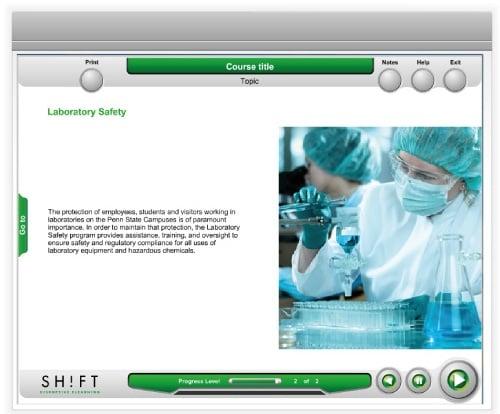
A visual designer working within the education technology (EdTech) sector plays a vital role in translating complex educational content into engaging, visually appealing, and easy-to-understand digital experiences. Unlike graphic designers who may focus primarily on aesthetics, e-learning visual designers are responsible for enhancing instructional effectiveness using design principles, multimedia tools, and interactivity.
- User Interface (UI) Design: Craft clean, intuitive layouts for learning management systems, online courses, and educational apps.
- Visual Storytelling: Transform abstract concepts and data into informative infographics, illustrations, and animations.
- brand Consistency: Ensure that visual elements adhere to institutional branding guidelines while fostering a cohesive user experience.
- Accessibility: Design for inclusivity, addressing diverse learner needs and making digital learning content usable for everyone.
- Collaboration: Work closely with instructional designers, subject matter experts, and developers to blend pedagogy with creativity.
Key Skills Required for Success
To excel as a visual designer in e-learning within universities, colleges, or schools, candidates should develop a versatile skill set that bridges both design and educational best practices. Here are the top skills and competencies to highlight on your resume when applying for education technology jobs:
1.Proficiency with Design Tools
- Adobe Creative Suite (Photoshop, Illustrator, XD)
- Sketch, Figma, or similar UI/UX design platforms
- Motion graphics software (After effects, Adobe Animate)
2. Understanding of Educational Pedagogy
- Knowledge of how people learn—especially in virtual environments
- Ability to visually support instructional goals and curriculum outcomes
3. User-Centered Design
- build learner personas and design with empathy
- Create wireframes and clickable prototypes to test usability
- Iterate designs based on stakeholder and user feedback
4. Accessibility Standards
- Familiarity with Web Content Accessibility Guidelines (WCAG)
- Use of color,contrast,font size,and alt text for inclusivity
5. Interaction and Collaboration
- Ability to articulate design decisions to non-designers
- Teamwork with educators, technologists, and administrators
The Impact of visual Designers on E-Learning
Visual designers wield significant influence over the efficacy and appeal of digital learning environments. Here’s how their contributions make a measurable difference in education technology:
- Boosts Learner Engagement: Visually rich content holds students’ attention and promotes active participation.
- Improves Knowledge Retention: Thoughtful design aids memory, comprehension, and recall of learning materials.
- makes Learning Inclusive: Accessible designs ensure equitable opportunities for all students, including those with disabilities.
- Supports Institutional Goals: Consistent and professional visuals reinforce institutional credibility and brand identity.
- Facilitates Remote and Blended Learning: Well-designed courses are easier to navigate, especially for students accessing content asynchronously.
Career Pathways: Opportunities in EdTech for Visual Designers
Education technology is a rapidly expanding industry, offering diverse job opportunities for visual designers. If you’re considering a role in e-learning at a university, college, or school, explore these potential career paths:
- E-learning Visual Designer: Specialize in creating graphics, layouts, and visual assets for learning modules.
- UI/UX designer: focus on optimizing user interfaces and learning experiences for educational platforms.
- Instructional Designer: Blend educational theory, multimedia, and visual storytelling to develop complete e-learning courses.
- Multimedia Artist/Animator: Create engaging animations and interactive elements to enrich digital curricula.
- Front-End Designer: Combine coding and design skills to build accessible e-learning interfaces.
Job seekers can also find roles in EdTech companies, content advancement agencies, research groups, and in-house education technology departments at major institutions.
Benefits of Working as a Visual Designer in E-Learning
A career as a visual designer in the education sector offers a unique blend of creativity, purpose, and long-term growth.Here are some advantages to consider:
- Impactful Work: Play a direct role in revolutionizing how students learn and access knowledge.
- Professional growth: stay at the forefront of digital trends, instructional technology, and design innovations.
- Diverse Projects: Work on a variety of assignments, from interactive courses to gamified learning experiences.
- Meaningful Collaboration: Join interdisciplinary teams and shape transformative educational solutions.
- Job Security: The rise of e-learning ensures sustained demand for skilled visual designers.
Practical Tips for Job Seekers
Ready to break into the field? here are practical tips for job seekers pursuing education technology roles as visual designers:
- Build a Strong Portfolio:
- Showcase e-learning projects,storyboards,prototypes,and final products tailored for educational contexts.
- Include before-and-after examples to demonstrate your impact on engagement and accessibility.
- Pursue Relevant Certifications: Consider certifications in UX design, accessibility, or instructional technology to stand out to educational employers.
- Network with EdTech Professionals: Attend conferences, participate in webinars, and join online communities focused on digital learning and design.
- Stay Updated: Follow the latest trends in e-learning design, education technology software, and accessibility standards.
- Tailor Your Submission:
- Customize your resume and cover letter to highlight experiences relevant to universities, colleges, or K-12 schools.
- Emphasize your ability to collaborate with educators and support diverse learner needs.
Conclusion
The role of a visual designer in e-learning is both multifaceted and mission-driven, crucial to shaping digital learning environments in universities, colleges, and schools. By mastering core design skills, understanding educational principles, and continually adapting to technological advances, you can make a profound impact in the education technology space.As institutions continue to invest in digital conversion, skilled visual designers will remain essential in enhancing accessibility, engagement, and learning outcomes. If you’re eager to embark on or advance your journey in EdTech, now is the perfect time to harness your creative talents and empower the next generation of learners.