
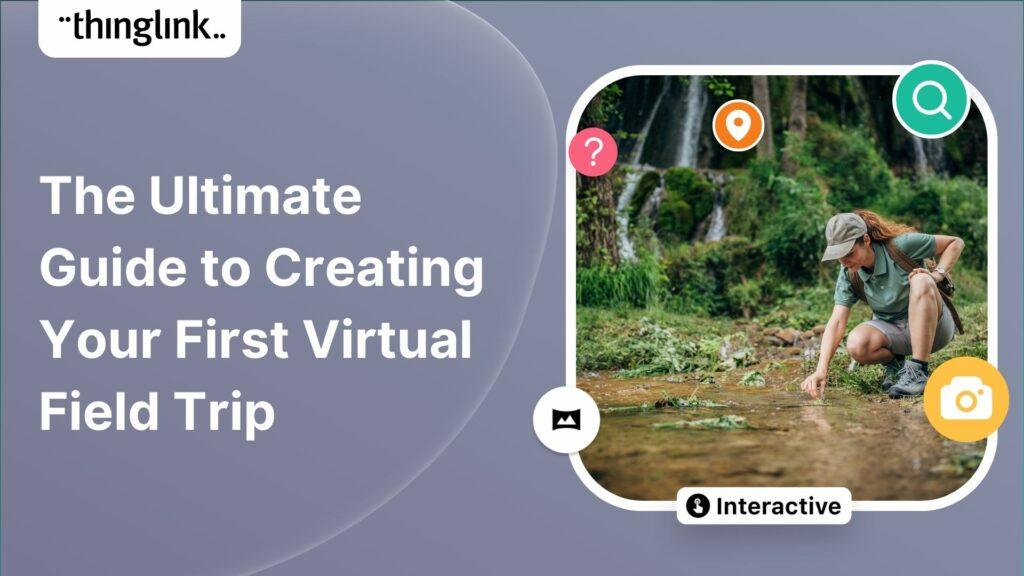
unlocking the World: How Virtual field Trips Expand Horizons Without Leaving the Classroom
Virtual field trips are transforming education by bridging the gap between conventional classroom learning adn real-world experiences — all with just a click.
Introduction: A New Era in Experiential Learning
In today’s rapidly evolving educational landscape, teachers are constantly seeking innovative ways to engage students and enrich their learning experiences. Virtual field trips have emerged as a powerful tool, enabling students to explore museums, historical sites, national parks, and even faraway countries—all from the comfort of their classroom. By harnessing modern technology, educators can now offer interactive, immersive, and curriculum-aligned experiences that were once impossible to provide without costly travel.This article dives into how virtual field trips are unlocking the world for students, the profound educational benefits they offer, and practical tips for educators eager to incorporate them into their teaching toolkit.
What Are Virtual field Trips?
A virtual field trip is a guided exploration of a location, event, or concept facilitated by technology. using digital resources like live videos, 360-degree tours, interactive maps, and real-time webinars, teachers can take their classes on educational journeys that surpass budgetary and geographic limitations. These digital excursions can be synchronous (live and interactive) or asynchronous (pre-recorded and self-paced), offering unparalleled flexibility for diverse learning environments.
Benefits of Virtual Field Trips
The adoption of virtual field trips is revolutionizing the education experience for both teachers and students. Here are some key advantages:
- Accessibility for All: No matter the location or budget,every student can enjoy the same educational possibility,leveling the playing field and fostering inclusivity.
- Cost-Effective: Virtual trips eliminate transportation, lodging, and entry fees, allowing schools to invest more in technology and resources.
- Global Exploration: Access world-renowned landmarks, international experts, and cultural experiences that would or else be out of reach.
- Enhanced engagement: Interactive elements such as Q&A sessions, virtual reality experiences, and online quizzes keep students actively involved.
- Support for Diverse Learning Styles: Visual, auditory, and kinesthetic learners can all benefit from multimedia resources, enhancing retention and understanding.
- Curriculum Alignment: Many virtual field trips are designed to meet educational standards, providing tailored content for science, history, geography, and more.
- Safety and Flexibility: No travel risks, easier scheduling, and fewer permission slips make planning simple and safe.
How Virtual Field Trips Work
Virtual field trips can be delivered through a variety of digital platforms, including:
- Live-Streamed Events: Real-time broadcasts from museums or zoos, frequently enough featuring expert guides and interactive Q&A sessions.
- 360-Degree videos and Tours: Immersive virtual reality experiences that allow students to navigate and explore at their own pace.
- Interactive Webpages: Online galleries, timelines, simulations, and map-based explorations that integrate multimedia elements such as images, audio, and video.
- Augmented Reality (AR) and Virtual Reality (VR) apps: Tools that add an extra layer of interactivity,letting students “touch” and manipulate digital objects representing historical artifacts or scientific concepts.
Examples of popular virtual field trip providers include Google Arts & Culture, National Geographic Education, Discovery education, and The Smithsonian Institution.
Case Studies: Real-World Impact of Virtual Field Trips
Connecting Rural Students to Urban Resources
At a rural elementary school in Montana, teachers leveraged virtual field trips to connect students with scientists at the NASA Kennedy Space Center. For many students, this was their first real interaction with experts outside their immediate community. The result? A spike in interest in STEM fields and improved science test scores.
Global Citizenship in Action
A public high school in Chicago incorporated virtual visits to refugee camps and United Nations assemblies into their social studies curriculum. Students gained firsthand perspectives on global issues, fostering empathy, awareness, and critical thinking skills that extended beyond the textbook.
Practical Tips: Maximizing the Impact of Virtual Field Trips
- Plan Ahead: Research and preview content to ensure it aligns with your lesson objectives and provides a meaningful extension of classroom learning.
- Engage Students Before, During, and After: Prepare students with pre-trip activities such as discussions or research assignments. Utilize guiding questions during the trip, and conduct post-trip projects or reflection essays to solidify learning.
- Test Technology: Always do a tech run-through before the live session to prevent hiccups. Ensure adequate bandwidth, audio/visual equipment, and access for all students.
- Encourage Interaction: Choose trips with interactive components, such as live chats with experts, virtual scavenger hunts, or follow-up Q&As, to keep students participating actively.
- Include Students with Special Needs: Look for accessible content (e.g.,subtitles,screen reader compatibility) and adaptive tools to make the experience inclusive.
First-Hand Experience: A Teacher’s Perspective
“I used to struggle with keeping my middle schoolers focused, especially during long units. When we ‘visited’ ancient Egypt via a high-quality virtual field trip, engagement shot up. Suddenly,abstract history lessons became tangible—students asked thoughtful questions,made real-world connections,and even inspired their families to explore history at home.Virtual field trips have become a regular,anticipated part of my teaching strategy.”
— Ms. Leila ford, 7th Grade Social Studies Teacher
Frequently Asked Questions About Virtual Field Trips
Are virtual field trips suitable for all grades?
Yes! Many providers offer experiences tailored for different age groups and subjects, from early elementary to high school and beyond.
How much does it cost to organize a virtual field trip?
Costs vary. Many excellent resources are free,while some offer premium content for a reasonable subscription or one-time fee. Compared to traditional field trips,the overall investment is minimal.
How can teachers assess student learning after a virtual field trip?
Assessment can take many forms: written reflections, quizzes, creative projects, group presentations, or class discussions. Many platforms also provide accompanying classroom materials and test questions.
Conclusion: Opening Doors to the World—Virtually
As technology continues to reshape the future of education, virtual field trips represent a thrilling opportunity to make learning more accessible, immersive, and globally connected. They encourage curiosity, critical thinking, and cultural awareness—skills essential for preparing students to thrive in an interconnected world. By integrating these digital excursions into the curriculum, teachers can truly unlock the world for their students, expanding their horizons without ever leaving the classroom.
Ready to embark on your next virtual adventure? Start exploring and see how far your classroom can travel!