
Unlocking Tomorrow: The Future of Educational Gamification Explained
Introduction: Leveling Up Learning
technology is reshaping every sector,and education is no exception. Among the most promising innovations is educational gamification. By integrating game elements into learning environments, educational gamification not only makes lessons more fun but also substantially enhances student engagement and achievement. As educators and technologists look toward the future, it’s clear that the classroom of tomorrow will be shaped by the exciting developments in this field. Let’s explore what educational gamification is, why it’s effective, and what the future holds for this transformative learning approach.
What is Educational Gamification?
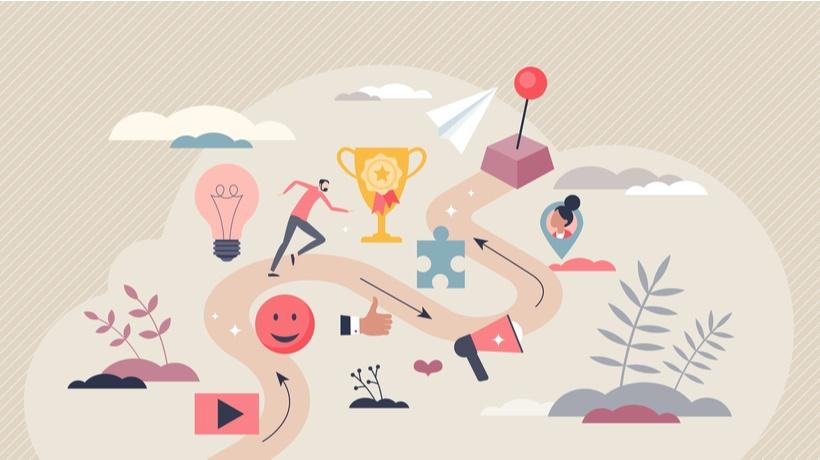
Educational gamification refers to the use of game design elements—like points, badges, leaderboards, and challenges—in non-game settings such as classrooms and learning platforms. Its goal is simple: to motivate learners and foster positive educational outcomes through interactivity and enjoyable experiences.
- Earn points for knowlege retention
- Unlock badges for mastering skills
- Compete in challenges to encourage healthy competition
- Advance through levels for measurable progress
By tapping into our innate love for play and achievement,gamification makes education more personalized,adaptive,and memorable.
The Benefits of Gamification in Education
Implementing gamification strategies is more than a trend—it’s a proven way to improve learning outcomes and build future-ready skills.
- boosts Motivation: Game mechanics create a sense of progress and reward, making students more eager to participate.
- Enhances Engagement: Interactive elements keep learners focused and reduce classroom distractions.
- Personalizes Learning: Adaptive challenges cater to diverse skill levels and learning styles.
- encourages Collaboration: Team challenges foster communication, problem-solving, and social skills.
- Immediate Feedback: Instant results from games help learners identify strengths and areas for advancement quickly.
- Builds 21st Century Skills: Critical thinking, creativity, and resilience are naturally developed through game-based tasks.
emerging Trends: the Future of Educational Gamification
The future of educational gamification is dazzling with bold innovations and powerful technologies. Here’s what educators and learners can anticipate in the coming years:
1. AI-Powered Personalized Learning
Artificial intelligence will tailor experiences, adapting games to a student’s unique pace and preferred learning methods for truly personalized education.
2. Augmented and Virtual Reality (AR/VR)
Immersive experiences will allow students to explore ancient sites, conduct virtual science experiments, or solve math puzzles in 3D worlds—blurring the lines between learning and play.
3. Blockchain for Achievement Tracking
Secure, tamper-proof digital credentials such as badges and certificates, stored via blockchain, will give lifelong learners portable proof of their skills.
4. Social Gamification and Global Collaboration
Online gamified platforms will connect students worldwide, enabling collaborative problem-solving and friendly competitions beyond classroom walls.
5. data-Driven Insights for Educators
Advanced analytics will help teachers and administrators identify learning patterns, intervene early, and continually refine gamification strategies for maximum effect.
Case Studies: Real-World Success Stories in Educational Gamification
First-Hand Experience: Voices from Educators and Learners
Teachers report that incorporating gamified elements not only energizes their students but also rekindles their own passion for teaching. A high school mathematics teacher shared:
“Using game-based apps in my classroom turned homework from a chore into a mission. My students are more excited to participate, and I see real improvement in both their skills and confidence.”
Meanwhile, students themselves describe gamification as “fun,” “motivating,” and “a way to learn without realizing you’re learning.”
Practical Tips for implementing Gamification in the Classroom
Ready to unlock tomorrow with educational gamification? here’s how educators and parents can get started:
- Start Small: Integrate a simple points or badge system for assignments.
- Choose the Right Tools: Platforms like Kahoot!, Quizizz, or Classcraft offer ready-made solutions.
- Mix Collaborative and Competitive Elements: use both teamwork-based and individual challenges to reach all learners.
- Provide Instant Feedback: Let students see their progress and adjust learning paths as needed.
- Align Games with Learning Goals: Make sure every game or activity supports specific curriculum objectives.
- Encourage Reflection: After gamified activities, ask students what they learned and how they felt.
The Challenges: What to Watch Out For
While educational gamification promises substantial benefits, it’s significant to be aware of potential pitfalls:
- Overemphasis on Rewards: Excessive focus on points or badges can sometimes distract from real learning.
- Digital Divide: Not all students have equal access to technology, risking inequities.
- Teacher Training: Accomplished gamification requires that educators feel confident using new tools and approaches.
- Game fatigue: Overusing games may reduce their novelty—balance is key.
By staying aware of these issues, educators can harness the full potential of gamified learning experiences.
conclusion: Ready to Unlock the future of Education?
from personalized AI tutors to immersive virtual reality adventures, educational gamification is poised to revolutionize how we teach and learn.As schools, universities, and lifelong learners embrace these dynamic changes, the classroom of tomorrow will look less like a lecture hall and more like a mission control center—vibrant, interactive, and inspiring.
Embrace the power of gamification today and help unlock a brighter, more engaging future for students everywhere.
Stay tuned for more guides on the future of education and learn how you can implement gamification strategies to maximize learning outcomes in your classrooms!