
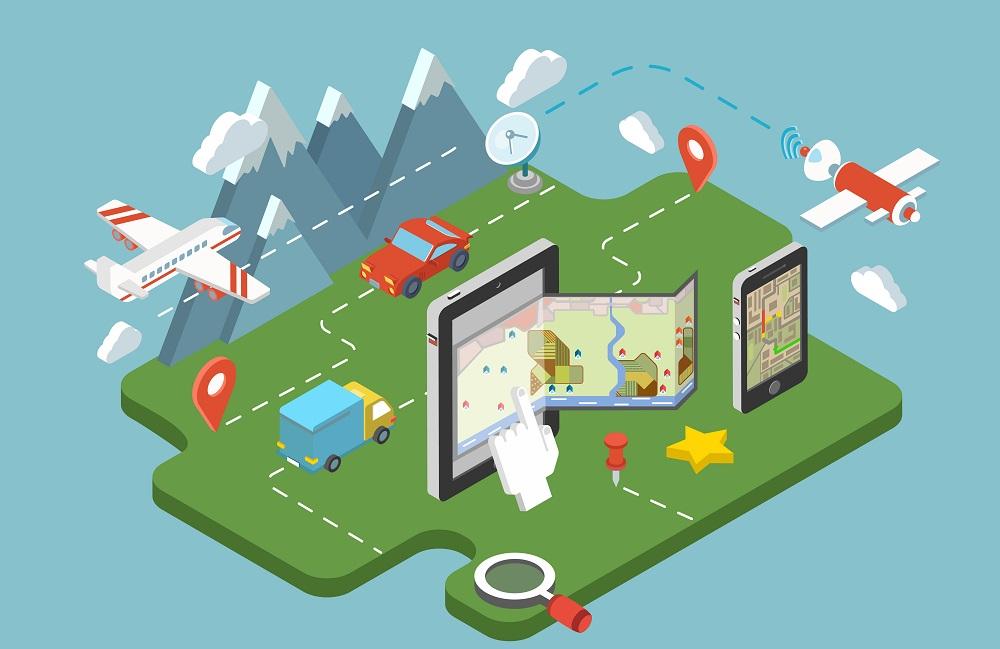
Unlocking Virtual Field Trips: How Classrooms Are Exploring the World Without Leaving School
Imagine venturing through the Amazon Rainforest, gazing at the stars inside a NASA space station, or experiencing ancient Egyptian tombs — all from the comfort of your classroom. Virtual field trips are transforming education by using technology too break down barriers of distance, cost, and logistics. In today’s world, were classrooms crave connection, engagement, and innovation, these digital journeys are unlocking new possibilities for teachers and students alike.
What Are Virtual Field Trips?
Virtual field trips (vfts) are experiences that use digital tools—like videos, live streams, VR/AR technology, and interactive platforms—to take students to locations and events far beyond their local surroundings. Unlike traditional field trips, there are no buses to board, no permission slips to collect, and no limits to how far your class can travel.
- Live Virtual Tours: Real-time explorations led by guides at museums, national parks, or historic sites.
- Pre-recorded Experiences: Professionally crafted videos and interactive modules showcasing various locations worldwide.
- 360-Degree & VR Experiences: Immersive 3D journeys using affordable VR headsets or simple mobile devices.
- Expert Webinars: Live or recorded Q&A sessions with field professionals, scientists, authors, and more.
The Benefits of Virtual Field Trips for Classrooms
Incorporating virtual field trips in education brings a wealth of advantages. Here’s why teachers and students love these digital explorations:
- Accessible to All: Virtual field trips eliminate barriers caused by distance, mobility, budget, and safety concerns.
- Cost-Effective: No need to pay for transportation, tickets, or chaperones. Many VFT options are free or low-cost.
- Customizable & Curriculum-Aligned: trips can be chosen and tailored to match learning objectives in STEM, history, the arts, and more.
- Engaging and Interactive: Multimedia, quizzes, and live Q&A keep students active and involved.
- Global Viewpoint: Students gain exposure to different cultures, geographies, and viewpoints without ever leaving school grounds.
- Supports Diverse learning Styles: Visual, auditory, and kinesthetic learners all benefit from the variety of media offered in vfts.
How to Plan and Launch a Virtual Field Trip
Bringing virtual field trips to your classroom is easier than you might think! Here’s a step-by-step guide to ensure a smooth and accomplished experience:
- Define Your Goals: Choose a subject or standard your class is exploring. For instance, are you learning about marine biology, civil rights, or World War II?
-
Find the Right virtual field Trip Provider: Research organizations that offer VFTs matching your curricular goals. Popular options include:
- Check Technology Requirements: Make sure your classroom has the necessary equipment (computers, tablets, internet, headphones, or VR headsets if needed).
- Prepare Your Students: Brief students on the trip’s objectives, what to expect, and discuss appropriate online etiquette.
- engage During the Trip: Encourage questions, take notes, and use discussion points along the way.
- Follow Up: Assign a project, presentation, or reflection based on the field trip experience to reinforce learning.
Case Studies: Virtual Field Trips in Action
1.Exploring Mars with NASA
Mrs. Jenkins, a 7th-grade science teacher in Texas, connected her class with NASA’s Jet Propulsion Laboratory through a live Zoom session. Students toured the lab virtually,interacted with an engineer,and observed real-time images from Mars rovers. Engagement soared, with students expressing newfound interest in space careers.
2. Museum Visits Across Continents
A high school art class in France explored the Museum of Modern Art in New York and the Louvre in Paris in a single morning. Using 360-degree tours and guided activities,students compared different art periods—something impractical across time zones without VFT.
3. Wildlife Conservation in Real-Time
Through the San Diego Zoo’s Virtual Field Trip program, an elementary class in rural Canada observed African animals in real time, asked keepers questions, and followed up with a conservation poster project. The program inspired students to care about biodiversity.
Practical Tips for Maximizing Virtual Field Trip Success
For optimal learning outcomes, keep these smart strategies in mind when using virtual field trips in your classroom:
- Pre-trip Preparation: Preload any required apps or software, test your internet connection, and ensure all devices are charged.
- Set Clear Expectations: Let students know how they should behave online, and what they’re expected to learn.
- Integrate with curriculum: Align your VFT with lessons, units, or standards to make learning relevant.
- Encourage Participation: Pose open-ended questions, facilitate group work, or assign interactive activities during or after the trip.
- Reflect and Assess: Use quizzes, creative projects, journals, or presentations to assess understanding and encourage reflection.
First-Hand Experience: Teachers and Students Speak
“The virtual field trip to Ellis Island made immigration history come alive for my students. They coudl almost feel what it was like to arrive in a new country. Engagement and empathy increased dramatically.”
— Ms. Elena Rodriguez, 4th Grade Teacher, New Jersey
“I loved seeing the penguins in Antarctica! I want to be a scientist now.”
— Liam, 2nd Grade Student
The Future of Virtual Field Trips in Education
As educational technology advances, virtual field trips are becoming more immersive, interactive, and accessible. augmented reality (AR),artificial intelligence,and even virtual “exchange programs” are on the horizon. Teachers are finding creative ways to blend these experiences with traditional learning, ensuring that students are not just witnesses to the world’s wonders but active participants.
Schools that embrace this trend are preparing students for a globally connected future—where learning knows no boundaries.
conclusion: Opening Doors without Leaving the Classroom
Virtual field trips empower educators to spark curiosity,foster empathy,and deepen knowledge,all while overcoming physical and financial constraints. As classrooms increasingly explore the world through screens, they open doors to endless educational possibilities. whether you’re a teacher looking to enrich your lessons or a student eager to discover, the world is truly at your fingertips—no bus ride required.
Ready to embark on your next virtual adventure? The world awaits!