
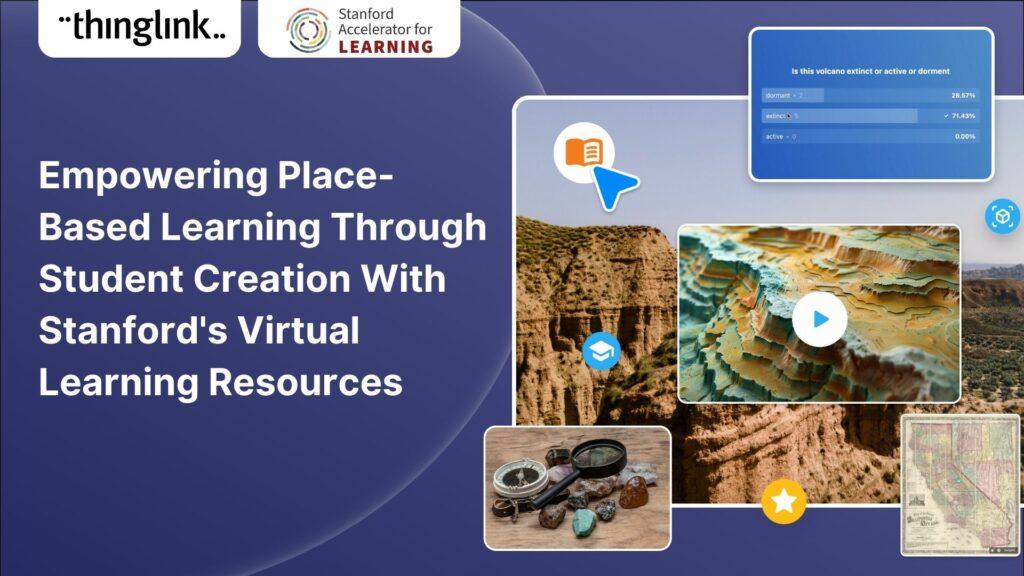
Unlocking Virtual Field Trips: How Classrooms Expand Horizons Without Leaving School
In today’s digitally connected world, education knows no boundaries. Virtual field trips are opening doors for students,allowing classrooms to explore art museums in Paris,ancient pyramids in Egypt,or even the surface of Mars—all without ever leaving their school building. As technology becomes increasingly integrated into the curriculum, virtual field trips are revolutionizing the way educators teach and students learn. In this comprehensive guide, we’ll uncover how these innovative educational experiences are transforming classrooms, discuss the key benefits, explore real-world applications, and provide practical tips for making the most of online educational adventures.
What Are Virtual Field Trips?
Virtual field trips are interactive learning experiences powered by the internet, digital media, and immersive technologies. using video conferencing, 360-degree tours, virtual reality (VR), and curated digital platforms, educators bring the sights and sounds of distant places directly into the classroom.Unlike conventional excursions, these experiences are cost-effective, inclusive, and accessible to every student, nonetheless of location or budget.
- 360-degree videos: Students can freely explore environments from any angle, such as walking through the Louvre or “swimming” on a coral reef.
- Live-streamed guided tours: Real-time interaction with experts, tour guides, or park rangers who answer student questions directly.
- Virtual reality field trips: Immersive simulations using VR headsets for first-person exploration of historical sites or scientific phenomena.
- Digital museum exhibits: High-resolution images, interactive timelines, and multimedia displays from world-class institutions.
Benefits of Virtual Field Trips in Education
- Global reach: Explore locations around the world that would otherwise be inaccessible due to distance or cost.
- Equitable access: Every student, including those with mobility challenges or financial constraints, can participate fully.
- Interdisciplinary learning: Blend science, geography, history, and art in dynamic ways that connect lessons to real-world experiences.
- Customizable experiences: Tailor field trips to grade level, curriculum requirements, or specific student interests.
- Enhanced engagement: Interactive and visually rich content boosts curiosity, motivation, and subject retention.
- Safety & simplicity: No permission slips, travel insurance, or logistical headaches—just click and explore!
Types of Virtual Field Trips available to Educators
with countless resources available online, the diversity of virtual field trip experiences is ever expanding. Here are some of the most popular types:
- Museum and art gallery tours: Visit the smithsonian, MET, or British Museum and view masterpieces up close.
- Science and nature exploration: Tour NASA facilities, trek through national parks, or embark on an underwater dive with marine biologists.
- Historical site walkthroughs: Time-travel to landmarks like the Colosseum, Great Wall of China, or ancient Mayan ruins.
- Cultural excursions: Join cooking workshops, festival livestreams, or traditional music performances from around the globe.
- Career and STEM visits: Explore behind the scenes of hospitals, engineering labs, or tech company offices to inspire future career paths.
How to Plan a Triumphant Virtual Field Trip
Maximizing the impact of virtual field trips requires some thoughtful planning. Here are expert tips for educators looking to make their next digital excursion unforgettable:
- Align with learning objectives: choose destinations that complement your curriculum goals.
-
Pre-trip preparation:
- Preview the content to ensure age-appropriateness and technical compatibility.
- Discuss the destination’s history, culture, or scientific context with students beforehand.
-
Engage students actively:
- Assign roles such as “researcher,” “question leader,” or “observer” to encourage participation.
- Prepare questions and activities for deeper engagement during the trip.
-
Facilitate discussion and reflection:
- Host post-trip discussions or creative projects to reinforce learning.
- Encourage students to share their favorite discoveries.
- Check technology: Test all digital tools, internet connectivity, and, if applicable, VR headsets in advance.
Case Studies: Virtual Field Trips in Action
1. Exploring Ancient Egypt in a Rural Texas Classroom
“Our students virtually explored the pyramids of Giza, spoke with an Egyptologist live, and completed digital scavenger hunts. For many, it was their first ‘trip’ outside Texas!” — jessica Ramirez, 4th Grade Teacher
By utilizing a live-streamed guided tour from the British Museum’s Egyptian Sculpture Gallery, students engaged in Q&A sessions and visual storytelling, culminating in digital presentations.
2. Science Comes Alive: Coral Reef Adventures
“Our middle schoolers joined a remote session with marine scientists, observing coral bleaching in real-time via 360-degree underwater cameras. It transformed textbook theory into real-world urgency.” — Mark Liu, Science Department Chair
Through collaborations with the National Geographic Education portal, students made hypotheses, asked questions, and later created posters advocating coral reef conservation.
3. A Walk Through Time: Virtual History Tour
“guided by a virtual historian through the streets of Ancient Rome, our class compared ancient and modern urban life, deepening students’ historical empathy.” — Monica Perez, Social Studies Teacher
Top Resources for Virtual Field Trips
- Google Arts & Culture – Access thousands of museums, landmarks, and cultural heritage sites.
- Smithsonian Virtual Museum Tours – Free tours of the world-renowned Smithsonian museums.
- NASA Virtual Tours – Take immersive journeys through space labs and the International Space Station.
- Finding Education Virtual Field Trips – Curriculum-aligned trips for K-12 classrooms.
- National Geographic Virtual Field Trips – Explore ecosystems, archaeology, and more.
Practical Tips for Engaging Students on Virtual Field Trips
- Make it interactive: Use quizzes, polls, and chat boxes to involve students in real-time.
- Encourage digital note-taking: Have students record observations, questions, or memorable facts.
- Pair with assignments: Integrate trip content into research papers, science reports, or art projects.
- Leverage student choice: let students help choose the next virtual destination, increasing buy-in and anticipation.
- Celebrate discovery: Create a virtual “passport” or rewards system for completed trips.
Conclusion: The Future of Learning Is Open-Ended
Virtual field trips are transforming education by taking learning far beyond the walls of the classroom. they inspire curiosity, foster cultural awareness, deepen engagement with academic subjects, and remove barriers for all students. As technology continues to evolve, the potential for online educational journeys will only expand, providing limitless horizons for educators and learners alike. Whether you’re a teacher searching for new ways to energize your lessons, a parent seeking supplemental enrichment, or an administrator wanting to bridge opportunity gaps, virtual field trips offer a dynamic and inclusive pathway to global discovery—no bus ride required. Start planning your next adventure today and watch your classroom horizons unfold!