
Unpacking Ethical Considerations in AI-Driven Learning: Key Challenges and Solutions
Artificial Intelligence (AI) is rapidly transforming educational landscapes, offering personalized learning experiences, efficient administrative tools, and innovative teaching methods. However, as AI-driven learning becomes more prevalent, critical ethical considerations emerge. Ensuring responsible use of AI in education is vital for protecting students, educators, and institutions. This comprehensive guide unpacks the key challenges in AI-driven learning and offers actionable solutions, blending real-world examples and practical tips for educators and policymakers.
Understanding AI-Driven Learning
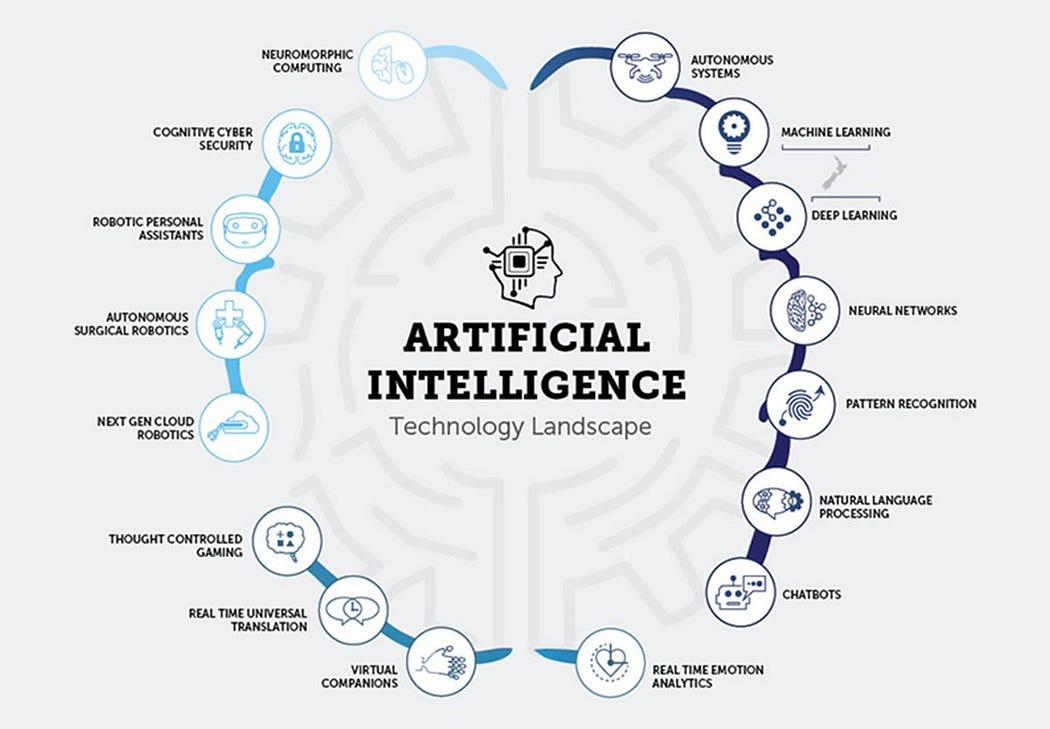
AI-driven learning refers to the integration of artificial intelligence technologies—such as machine learning, natural language processing, and adaptive analytics—within educational environments. these AI systems personalize content, automate administrative tasks, analyze student behaviors, and support decision-making processes. While AI-powered education is promising, it also brings forth complex ethical challenges.
Key Ethical Challenges in AI-Driven Learning
Ethical considerations in AI-driven education touch on multiple facets, from data privacy to bias mitigation. The following challenges are central in the discourse on responsible AI in schools and universities:
1. Privacy and Data Protection
- Sensitive Data Collection: AI learning platforms gather vast amounts of student data—from academic performance to behavioral patterns.
- Potential Breaches: Insecure systems risk unauthorized access, potentially exposing personal information.
- Student consent: Many students and parents may not be aware of what data is collected or how it’s used.
2. Algorithmic Bias and Fairness
- training Data Limitations: AI systems may perpetuate ancient biases present in their datasets.
- Unequal Outcomes: Biased algorithms can disadvantage certain demographics, reinforcing educational inequalities.
- Lack of Transparency: It’s frequently enough unclear how AI makes decisions, making accountability challenging.
3. Autonomy and Human Oversight
- Teacher Roles: Excessive dependence on AI may diminish educators’ authority and expertise.
- Student Agency: Overly automated systems risk reducing students to passive recipients rather than active learners.
- Decision-Making Transparency: AI recommendations must be clear and open to scrutiny.
4. Accessibility and Digital Divide
- Technology Gaps: Disparities in access to devices and internet can exclude marginalized groups.
- Inclusive Design: Not all AI tools accommodate diverse learning needs and disabilities.
5. Intellectual Property and Content Ownership
- User-Generated Content: Ambiguity persists over who owns student creations facilitated by AI.
- Data Sovereignty: Educational institutions must ensure control over their data assets.
Practical Solutions to Ethical Challenges in AI-Driven Learning
Tackling ethical issues in AI-powered education requires multi-pronged strategies combining regulation, technical innovation, and community involvement.
1. Strengthening Data Privacy and Security
- Implement Encryption: Use end-to-end encryption for sensitive student and staff information.
- Obvious Policies: Clearly articulate data usage policies to all stakeholders.
- Regular Audits: Conduct frequent audits to identify and fix vulnerabilities.
2.Mitigating Algorithmic Bias
- Diverse Training Data: Ensure datasets reflect varied demographics and backgrounds.
- Bias Testing: Routinely test AI models for discriminatory outcomes.
- Open Algorithms: Adopt transparent AI systems where decision-making logic is accessible.
3. Enhancing Human Oversight
- Teacher Involvement: Position educators as key decision-makers in deploying AI-assisted tools.
- AI Explainability: Use explainable AI models that justify their recommendations.
- Student Feedback: Integrate feedback mechanisms for students impacted by AI decisions.
4. Promoting Accessibility and Inclusion
- Global Design Principles: Build AI tools that accommodate different learning abilities and languages.
- Affordable Access: Advocate for affordable devices and internet in underserved communities.
- Assistive Technologies: Integrate AI-driven accessibility features, such as speech-to-text or real-time translation.
5. Clarifying IP and Content Ownership
- Legal Frameworks: Develop clear guidelines on content ownership in collaborative AI platforms.
- Institutional agreements: Formalize agreements between stakeholders regarding data and intellectual property usage.
Benefits of Ethical AI Adoption in Learning Environments
Responsible integration of AI technologies in education generates substantial benefits:
- Equitable Learning opportunities: Reduces biases and ensures all learners are treated fairly.
- Enhanced Data Security: Protects sensitive information, fostering trust among users.
- Greater Transparency: facilitates clear understanding of AI-driven processes.
- improved Accessibility: Levels the playing field for learners with disabilities and language barriers.
- Empowers Educators: Supports teachers with actionable insights, amplifying their impact.
Case Studies: Ethical AI in Practice
Stanford University’s Open Learning Initiative
Stanford leverages AI-driven analytics to personalize learning. Guided by strong ethical frameworks, they prioritize student privacy and regularly audit algorithms for bias. Their open-source approach allows public scrutiny of their AI models, supporting both fairness and transparency.
khan Academy’s AI Tutor Integration
Khan Academy recently rolled out AI-powered tutors designed to assist students across subjects. Before launch, extensive bias testing and explainability protocols ensured recommendations were equitable. Accessibility features, such as real-time translation, broadened reach to non-native English speakers.
Experience from the Classroom
“As an educator, I’ve witnessed how transparent AI systems can empower both teachers and students. When our district implemented AI-powered feedback tools, we noticed greater student engagement and improved learning outcomes. Involving staff in algorithm reviews helped address concerns about bias and privacy, making the transition smoother for everyone.” — Sarah L., High School Teacher
Practical Tips for Educators and Administrators
- Stay Informed: Regularly update your knowledge on AI ethics and emerging regulations.
- Foster Open Dialog: Discuss AI policies with students, parents, and staff.
- Engage in Professional Advancement: Attend workshops on AI technology and its ethical implications.
- Monitor Outcomes: Continuously evaluate AI’s impact on your learning community.
- advocate for Ethical Standards: Influence your institution to adopt responsible AI guidelines.
Conclusion: The Path Forward for Ethical AI in Education
AI-driven learning has the potential to revolutionize education, bringing unprecedented personalization and innovation. However, embracing these benefits requires a committed focus on ethical principles—anchored in transparency, inclusivity, privacy, and collaboration. By proactively addressing challenges and implementing robust solutions, educators and institutions can harness AI’s power while safeguarding the interests of all learners.
the journey toward responsible, ethical AI adoption in learning environments is ongoing. Stakeholders should remain vigilant, adaptable, and inclusive—ensuring artificial intelligence serves as a tool for empowering, not disadvantaging, today’s diverse and dynamic educational communities.