
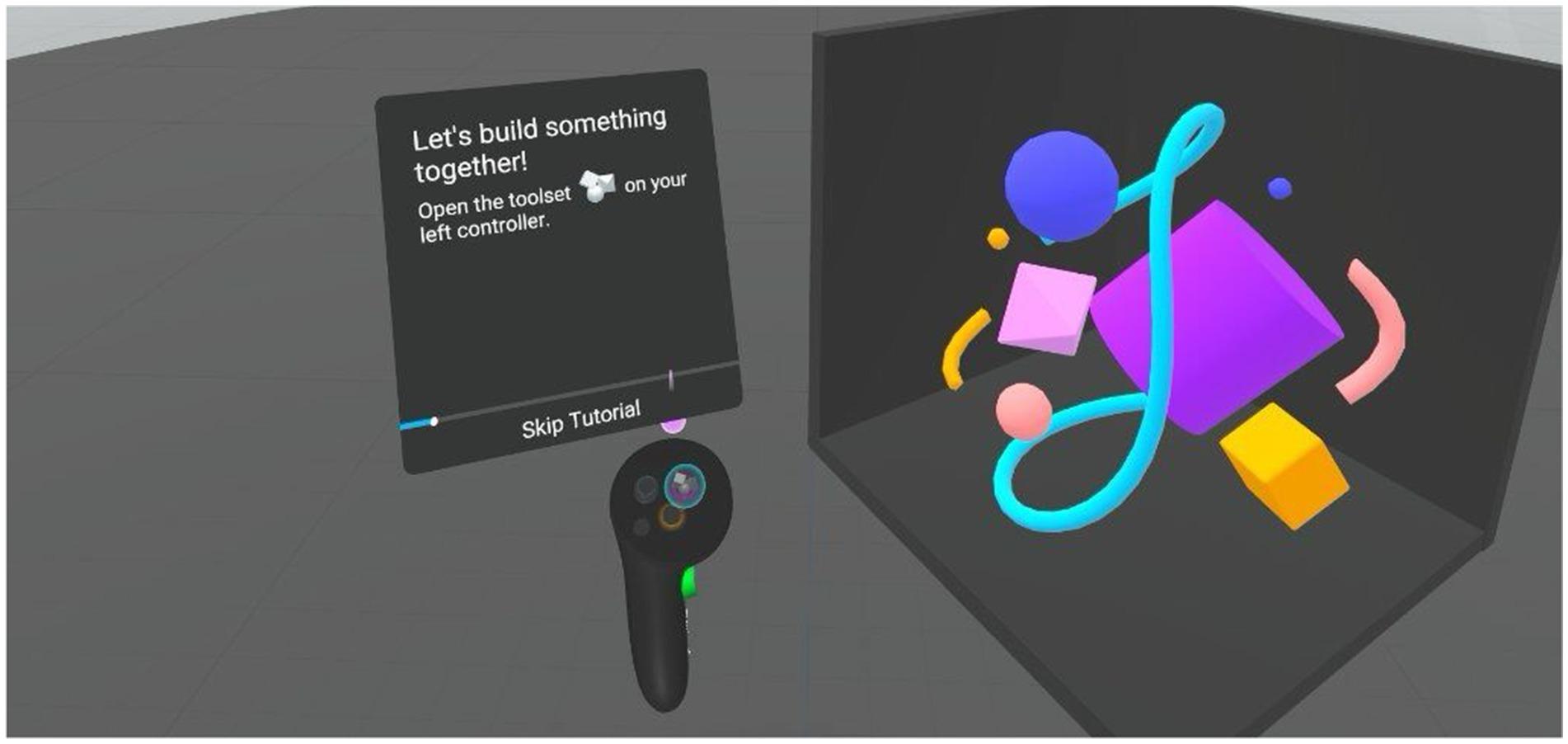
Unveiling the Impact: Evaluating the Effectiveness of VR/AR in Modern Education
Virtual Reality (VR) and Augmented Reality (AR) are revolutionizing the educational landscape, offering immersive learning experiences unlike anything customary classroom methods can provide.But how effective are these technologies in real-world educational settings? In this in-depth article, we will unveil the true impact of VR and AR in modern education, exploring their effectiveness, key benefits, case studies, and expert tips for prosperous integration.
Understanding VR and AR in Education
Before diving into the effectiveness of VR/AR in education, it’s essential to grasp what these technologies encompass:
- Virtual Reality (VR): Refers to computer-generated simulations that immerse users in a fully virtual environment, often using headsets like Oculus Rift or HTC Vive.
- Augmented reality (AR): Superimposes digital facts—like images, sounds, or interactive data—onto the real world using devices such as smartphones, tablets, or AR glasses.
Integrating VR and AR tools allows educators to create dynamic, interactive lessons that can empower students, ignite curiosity, and bridge the gap between theoretical and practical learning. VR and AR classrooms promote experiential education, making learning a tangible, memorable journey.
Evaluating the effectiveness of VR/AR in Modern Education
How do VR and AR shape educational outcomes? let’s explore the evidence:
1. Enhanced Engagement and Motivation
- Active learning: Immersive environments increase participation, capturing students’ attention and catering to diverse learning styles.
- Gamification: Incorporating educational games within VR/AR environments enhances motivation and fosters healthy competition.
“A 2022 meta-analysis published in Computers & Education found that VR-based learning environments resulted in a 25% advancement in student engagement compared to traditional methods.”
2. Improved Knowledge Retention and Understanding
- Studies indicate students using VR/AR educational tools recall information more accurately and for longer periods.
- Complex subjects (like anatomy or astronomy) are easier to understand in 3D, interactive virtual or augmented spaces.
3. Accessibility and Inclusivity
- VR/AR allows for differentiated instruction, catering to visual, auditory, and kinesthetic learners.
- remote and special-needs students can participate in simulations they may not otherwise access.
4. Practical Application and Real-World Simulation
- Medical students can practice surgeries; engineering students can assemble models—safely and repeatedly.
- Augmented reality in education brings objects to life in the classroom, enabling hands-on experiences with minimal setup.
Key Benefits of VR/AR in Education
The potential of virtual reality in education and augmented reality classrooms extends far beyond novelty. Here’s what schools and universities are discovering:
- Immersive Field Trips: Transport students to ancient Rome, the depths of the ocean, or mars—without leaving the classroom.
- Safe Experimentation: Conduct science experiments or hazardous training in a secure, virtual environment.
- Global Collaboration: Connect with peers worldwide in shared virtual spaces,encouraging cross-cultural dialog.
- Cost Savings: Simulations and virtual labs reduce the need for physical materials and travel expenses.
- Real-Time Assessment: Instant feedback and analytics help educators tailor instruction for optimal results.
Case Studies: VR/AR Transforming Learning
Let’s look at real-world success stories highlighting the effectiveness of VR and AR in education:
Stanford University: Virtual Human Interaction Lab
- Stanford launched a VR lab where students interact with immersive learning modules, including environmental science and empathy training scenarios.
- Results: Increased empathy and deeper understanding of complex topics like climate change, as measured by post-experience surveys.
Case Western Reserve University: HoloAnatomy with Microsoft HoloLens
- By leveraging augmented reality in medical education, students visualize and manipulate 3D anatomical structures overlaid in real space.
- Results: Improved exam scores and faster comprehension in first-year medical students compared to traditional cadaver-based learning.
K-12 Classrooms Worldwide: Google Expeditions & Merge Cube
- Teachers use AR and VR platforms to create engaging virtual field trips and interactive science lessons.
- Results: Positive feedback from teachers and students, with many reporting higher attention levels and greater content retention.
Practical Tips: Integrating VR/AR Into Your Classroom
Considering the leap into VR/AR learning environments? Here are some practical strategies to maximize effectiveness:
- Start Small: Pilot a single VR/AR lesson or subject before scaling up.
- Choose the Right Hardware: Select affordable, user-kind devices compatible with your curriculum and classroom size.
- Invest in Quality Content: Use well-researched and age-appropriate simulations or applications.
- Prioritize Training: Ensure both educators and students receive training and ongoing support for seamless integration.
- Focus on Inclusion: Adapt VR/AR tools for students with disabilities to maximize access and impact.
First-Hand Experience: Voices from Educators and Students
Feedback from those on the frontlines sheds light on the real-world impact of these cutting-edge tools:
“With VR, my biology students explored the human cell from the inside. Their questions were deeper, and they genuinely understood the functions of each organelle.” — High School Science teacher,California
“AR apps made textbook diagrams come alive. I could see atoms bond and forces in action.it changed the way I learn science and math.” — Middle School Student, UK
Such testimonials reinforce the research: VR/AR can spark curiosity, deepen understanding, and foster memorable educational experiences.
Challenges and Considerations
While the potential of VR/AR in education is immense,there are important challenges to address:
- cost: High-quality hardware and software may be expensive for some institutions,though affordable options are emerging.
- Technical Barriers: Reliable internet, compatibility, and maintainance require ongoing support.
- Content Gaps: Not all subjects have robust, curriculum-aligned AR/VR materials yet.
- Health & Safety: Overuse or improper setup may cause eye strain or motion sickness in some students.
By acknowledging these hurdles and planning accordingly, schools can ensure successful, lasting integration of VR/AR technologies.
Conclusion: The Future is Immersive
The evidence is clear: VR and AR in modern education can be incredibly effective tools for boosting engagement, deepening knowledge, and preparing students for future careers. The key lies in thoughtful implementation,ongoing training,and a commitment to inclusivity.
As schools and universities continue to embrace immersive learning experiences, the classroom of tomorrow will look vastly different from the rows and chalkboards of yesterday. VR and AR are not just trends—they are transformative forces, empowering educators and students to explore new horizons in education.
Whether you are an educator,administrator,parent,or edtech enthusiast,now is the perfect time to explore how VR and AR technologies can elevate your learning environment. The journey is just beginning—and the impact promises to be remarkable.