
UX Designer in EdTech: Elevate Digital Learning with User-Centered design
Are you passionate about improving digital learning experiences? Do you have an eye for design and a knack for understanding user needs? If so, a career as a UX Designer in EdTech at universities, colleges, or schools could be your ideal path. As the education technology sector expands, skilled UX designers are becoming essential in creating intuitive, inclusive, and engaging learning platforms. This comprehensive guide explores what it takes to become a successful UX Designer in EdTech, the benefits of working in educational settings, and practical tips to help you land your dream job.
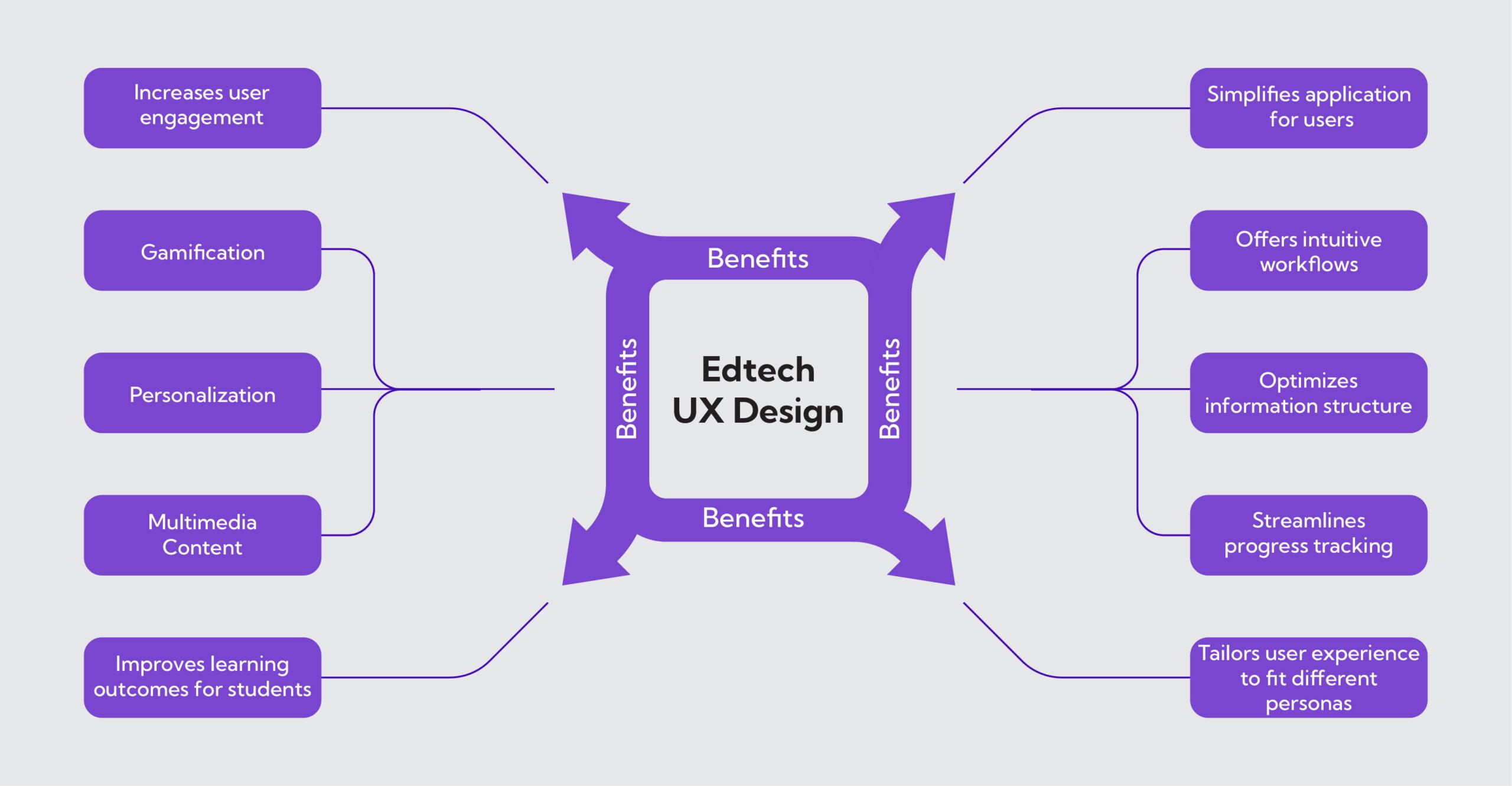
Why UX Designers Are Vital in EdTech
The demand for User experience (UX) Designers in education technology is on the rise. With digital platforms now central to academic environments, universities, colleges, and schools need intuitive and accessible solutions to support both students and staff. Here’s why UX design matters in EdTech:
- Enhances Student Engagement: Well-designed interfaces keep learners motivated and involved.
- Promotes Accessibility: User-centered design ensures that educational technology is inclusive for all.
- Boosts Learning Outcomes: Simple, effective navigation helps users focus on content, not technical frustrations.
- Improves Institutional Reputation: Positive digital experiences reflect well on colleges and universities.
- Reduces Support Costs: Intuitive design minimizes errors and the need for helpdesk interaction.
Key Responsibilities of a UX Designer in EdTech
If you’re pursuing a role as a UX Designer in EdTech at a university, college, or school, expect your day-to-day to revolve around user research, prototyping, and collaborative problem-solving. typical responsibilities include:
- User Research: conduct interviews, surveys, and usability tests with students, faculty, and staff to understand their needs and pain points.
- Persona Development: Create detailed user personas to guide design decisions and prioritize features.
- Wireframing and Prototyping: Develop wireframes, interactive prototypes, and mockups for educational platforms and tools.
- usability Testing: Test designs with real users to gather feedback, iterate on solutions, and ensure optimal usability.
- Collaboration: Work closely with product managers,developers,instructional designers,and content creators to deliver robust,user-centered products.
- Accessibility Compliance: Ensure all digital learning tools meet accessibility standards (like WCAG), allowing equal access for all learners.
Essential Skills for UX Designers in Education Technology
To thrive as a UX designer in education technology, you’ll need a mix of technical, research, and soft skills tailored to the unique context of academic environments:
- Empathy and User Advocacy: Ability to understand diverse student and faculty backgrounds and champion their perspectives.
- Strong Interaction: Clearly present findings and design rationales to cross-functional teams and stakeholders.
- Design Tools Proficiency: Hands-on experience with Figma, Sketch, Adobe XD, or similar tools.
- Research Methodologies: Knowledge of both qualitative and quantitative user research methods.
- Data Architecture: Skill in structuring content and features for easy navigation within learning management systems (LMS) or educational apps.
- Attention to Accessibility: Deep understanding of designing for users with disabilities.
- Problem-Solving: A creative yet practical approach to enhancing experiences and overcoming technical or content barriers.
Benefits of Working as a UX Designer in edtech
Choosing a career as a UX Designer in EdTech isn’t just professionally rewarding—it also lets you contribute to society by shaping the future of education. Here are some major benefits:
- Meaningful Impact: Your designs can directly enhance educational outcomes for thousands of learners.
- Continuous Learning: Stay at the forefront of both UX and educational innovation, and grow alongside the evolving field.
- Job Security: Education technology is a rapidly growing sector with high demand for UX talent.
- Collaborative Culture: Academic settings often foster teamwork, idea sharing, and collective problem solving.
- Diversity of Projects: Work on a variety of digital products, from e-learning platforms and mobile apps to virtual classrooms and assessment tools.
- Work-Life Balance: Many universities and schools offer flexible hours and robust benefits.
Types of EdTech Projects in Higher Education and K-12
As a UX designer, you may work on diverse projects depending on the institution’s digital strategy.Examples include:
- Learning Management Systems (LMS): Designing intuitive course dashboards, resource libraries, and assignment workflows.
- Mobile Learning Apps: Crafting mobile-first experiences for study access anytime, anywhere.
- Virtual Classrooms: Building interactive, engaging interfaces for online and hybrid learning.
- Assessment and Feedback Tools: Streamlining quiz, test, and grading functionalities for educators and students.
- Accessibility Features: Developing features like screen reader support, closed captioning, and choice navigation methods.
- Student Portals: Creating unified, user-friendly access points for academic, administrative, and campus life resources.
Practical Tips for Becoming a UX Designer in EdTech
Ready to start your journey as a UX designer in higher education or UX designer in K-12 EdTech? Here are actionable steps to boost your chances of success:
- Build a Strong Portfolio: Showcase EdTech-focused projects, highlighting your problem-solving, research, and design process. If you lack direct experience, volunteer for educational nonprofits, participate in hackathons, or redesign existing education platforms on spec.
- Network with Educators and EdTech Professionals: Attend education technology conferences, webinars, and local meetups to connect with hiring managers and industry peers.
- Highlight Accessibility: Demonstrate your knowledge of accessibility standards and inclusive design in your portfolio and interviews.
- Stay Informed: Follow trends in digital pedagogy, new technologies in education, and evolving user needs. Understanding the educational context gives you a competitive edge.
- Customize Your Applications: Tailor your resume and cover letter to each institution, explicitly linking your skills to their mission and student population.
- Ask for Feedback: Seek advice from experienced EdTech UX designers or mentors to continually improve your approach.
- Demonstrate Soft Skills: Be prepared to talk about how you handle feedback,collaborate with diverse teams,and align your work with educational goals.
qualifications and Educational Background
While many UX designers hold degrees in fields like Human-Computer Interaction, Graphic Design, or Psychology, universities and colleges also value practical experience and a clear passion for education. Consider the following:
- Relevant Degrees: Bachelor’s or master’s degrees in design, HCI, cognitive science, or education technology are advantageous.
- Certifications: Short courses or certifications in UX, UI, user research, or accessibility can build expertise and credibility.
- Teaching or Academic Experience: Prior exposure to teaching, tutoring, or academic administration can definitely help you empathize with end users and align your work with institutional goals.
- Continuous Learning: The best UX designers continuously update their skills to remain relevant in the fast-evolving world of EdTech.
Salary and Career Outlook for EdTech UX Designers
UX designers working in EdTech at universities, colleges, and schools enjoy competitive salary packages, with variations based on location, experience, and institution size.According to industry surveys:
- Entry-level roles: Typically range from $55,000 to $75,000 annually in North America.
- Mid-level and senior roles: Can earn $80,000 to $120,000 or higher, particularly at large universities or EdTech companies serving academic institutions.
- Benefits: common benefits include healthcare, retirement plans, generous vacation policies, and tuition reimbursement or professional development budgets.
The career outlook for UX designers in EdTech is strong. As schools and colleges continue adopting advanced digital tools, the need for skilled, user-focused designers will only grow.
Conclusion: Your Possibility to Shape the Future of Learning
A career as a UX Designer in EdTech provides the chance to merge creativity, empathy, and technology for a higher purpose—empowering learners and educators. Whether you work in higher education, K-12 schools, or join an EdTech company serving educational institutions, your contributions can leave a meaningful mark on the academic world. By honing your skills in user-centered design,building a strong portfolio,and staying engaged with the needs of students and educators,you can play a pivotal role in transforming digital learning for generations to come.
Ready to elevate digital learning with user-centered design? start building your path as a UX designer in EdTech today!