
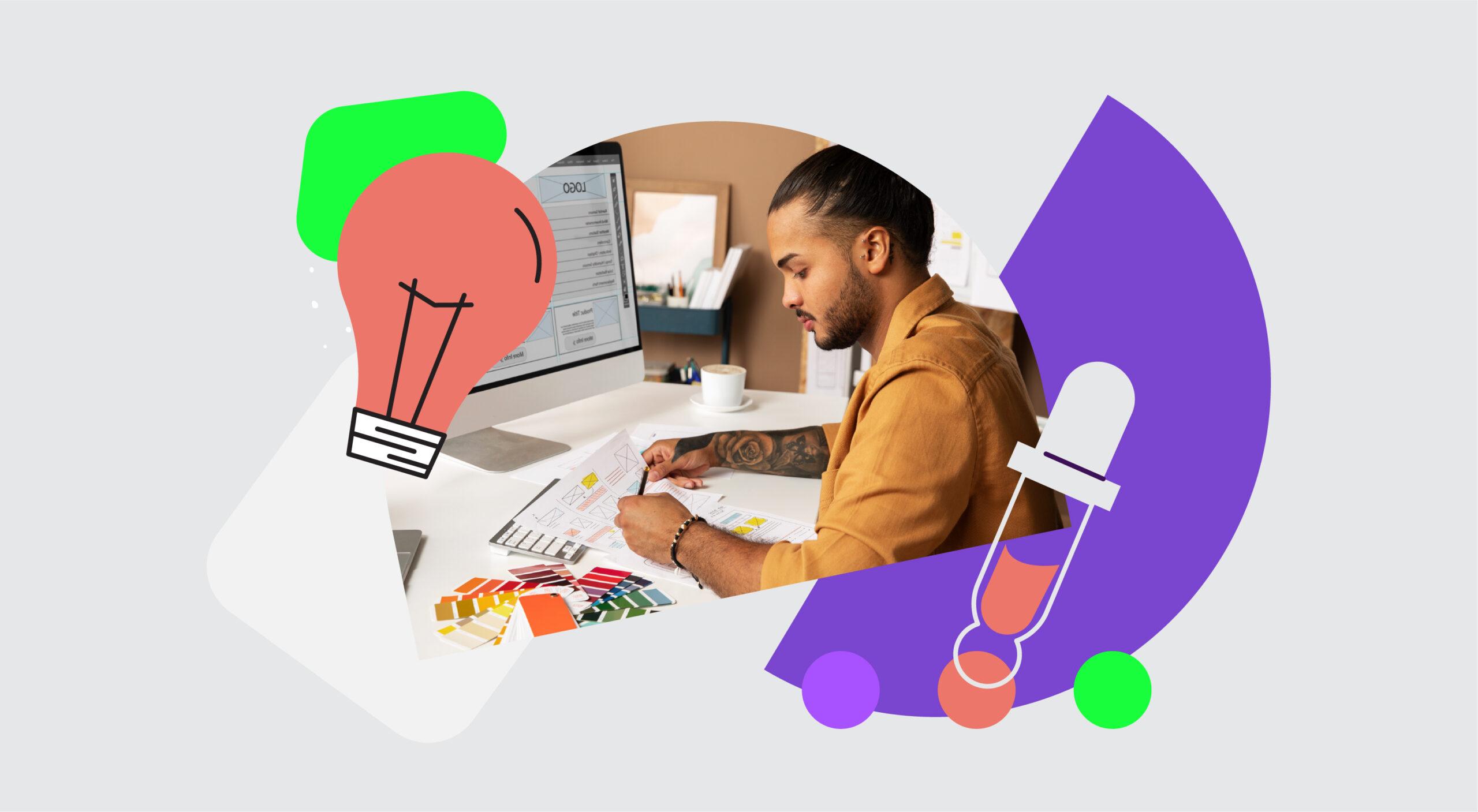
UX Designer in EdTech: How User Experience is Revolutionizing Education technology
If you’ve ever navigated a learning management system (LMS) and thought,”This could be easier to use,” you’re not alone. The world of education technology—or EdTech—is booming, and at the heart of this revolution is a focus on user experience (UX) design. Today, being a UX Designer in EdTech means transforming how students, teachers, and administrators interact with digital learning tools. In this guide, we’ll explore the growing impact of UX in education technology, what it’s like to work as a UX Designer in this field, and how you can take the first steps toward a meaningful and rewarding career.
Understanding the Role: What Does a UX Designer in EdTech Do?
the primary responsibility of a UX Designer in EdTech is to create intuitive, engaging, and accessible educational platforms. Unlike customary roles, UX Designers in schools, colleges, and universities must deeply understand the needs of diverse users—students of all abilities, teachers under pressure, and administrators striving for efficiency.
- User Research: Conducting interviews, surveys, and usability testing to understand the needs and challenges of educational stakeholders.
- Details Architecture: Structuring digital platforms like LMS or educational apps to ensure content is discoverable and logically organized.
- UI Design: Collaborating with UI designers or handling both UX/UI tasks to create visually appealing and functional interfaces.
- Accessibility: Ensuring digital learning tools meet accessibility standards (like WCAG) so all users, regardless of ability, can benefit.
- Prototyping and Testing: Building wireframes and interactive prototypes, then testing with real users to refine the experience.
Why UX is Crucial in education Technology
Excellent user experience isn’t just a matter of convenience in EdTech—it’s essential for learning outcomes and engagement. When technology is hard to use, students can feel frustrated, teachers can waste precious instructional time, and drop-off rates may soar. Here’s why UX Designers are becoming indispensable in educational institutions:
- Boosts Engagement: Interactive and easy-to-navigate platforms keep students—and teachers—engaged with the material.
- Improves Accessibility: Thoughtful UX ensures educational opportunities are truly inclusive.
- Supports Personalization: A well-designed interface can support personalized learning journeys, adjusting content for different students’ needs.
- Reduces Training Time: Intuitive platforms mean less time teaching staff how to use the technology and more time teaching students.
- data-Driven Insights: Streamlined user experiences result in cleaner, more actionable data for educators and administrators.
Benefits of Working as a UX Designer in EdTech
Pursuing a career as a UX Designer in education technology comes with a variety of unique benefits:
- Impact: Make a tangible difference in how students learn and succeed, especially in underserved communities or special-education environments.
- Job Security: EdTech is one of the fastest-growing sectors, with increasing investments in digital learning across schools and universities worldwide.
- Innovation Opportunities: Work on cutting-edge technologies such as AI-driven assessment tools, AR/VR classrooms, and mobile learning applications.
- collaborative Culture: Engage with educators, administrators, developers, and fellow designers in cross-functional teams.
- Professional Growth: Gain experience that translates well to other sectors, from healthcare to enterprise software, owing to the universal value of great UX.
Essential Skills for a UX Designer in Education Technology
Whether you’re a seasoned designer or just starting out, excelling as a UX Designer in EdTech requires a specific skill set:
- Empathy: The ability to understand learners’ struggles, preferences, and motivations is at the heart of EdTech design.
- Research Skills: Conducting qualitative and quantitative studies with students, faculty, and staff.
- Wireframing and Prototyping: Fluency with tools such as Figma, sketch, Adobe XD, or InVision.
- Accessibility Expertise: Knowledge of accessibility laws, standards, and assistive technologies.
- Agile Mindset: Adapting to rapid feedback and iterative development cycles common in tech-forward education environments.
- Interaction: explaining design choices to non-technical stakeholders and gathering feedback from diverse user groups.
Preferred Qualifications
- Bachelor’s or master’s degree in UX design, psychology, education, human-computer interaction, or related field
- Experience with learning management systems (Moodle, Canvas, Blackboard)
- Understanding of pedagogical best practices
- Portfolio showcasing UX case studies focused on EdTech or related domains
Typical Work Environments: Universities, Colleges, and K–12 Schools
UX Designers in EdTech find employment across a spectrum of organizations:
- Universities & Colleges: Designing new student portals, course registration systems, e-learning platforms, and research tools.
- K–12 Schools: Improving classroom tech, digital textbooks, and teacher planning applications.
- EdTech Companies: Developing saas products and apps sold directly to educational institutions.
- Non-Profits & Government: Working on public-facing educational technology initiatives for broader access and equity.
How to Land a Job as a UX Designer in EdTech
Breaking into education technology as a UX Designer requires readiness and strategic job-searching. Here’s how you can maximize your chances of success:
1. Develop an EdTech-Focused Portfolio
- Showcase projects directly relating to e-learning, education apps, accessibility, or student platforms.
- Include user research, personas, user flows, wireframes, and before-and-after scenarios.
2. Gain Relevant Experience
- Volunteer for local schools or education non-profits needing help with their websites or digital tools.
- Seek internships at colleges and EdTech startups; real-world experience in education settings is invaluable.
3. Understand Current EdTech Trends
- Read up on trends like personalized learning, gamification, AI in classrooms, and blended learning.
- Tailor your portfolio and resume to highlight how your UX skills match these trends.
4. Network in the EdTech Community
- Attend EdTech and UX conferences or webinars for educators and technologists.
- Join online communities and forums focused on education technology.
5. Sharpen your Accessibility Skills
- Many educational institutions prioritize accessibility—showcase expertise in WCAG compliance and designing for diverse learners.
Common Challenges and How to Overcome Them
EdTech environments present specific challenges for UX Designers:
- Budget Constraints: Schools and colleges often have limited funding.Focus on solutions that offer high impact with minimal resources.
- Complex Stakeholder Groups: You might be designing for administrators, faculty, students, and parents. Develop personas and map user journeys carefully.
- Legacy Systems: many institutions use outdated platforms. Advocate for incremental usability improvements and design systems that integrate smoothly with existing tools.
- Regulatory Compliance: Ensure you’re familiar with student privacy laws and IT policies unique to educational settings.
Practical Tips for Succeeding as a UX Designer in EdTech
- Always Start with Empathy: Conduct classroom observations or student interviews to understand daily pain points.
- Prototype Early, Test Frequently enough: Get feedback as soon as possible—from teachers, students, and even parents.
- Stay Curious: EdTech is rapidly evolving. Dedicate time to learning about new digital assessment tools, AR/VR in education, and mobile-first experiences.
- Champion Accessibility: Ensure your designs are inclusive by default, not just as an afterthought.
- Communicate Value: Translate your UX findings into measurable outcomes—improved course completion rates, time saved, or increased user satisfaction.
conclusion: Shape the Future of Learning with UX in EdTech
As education technology continues its explosive growth, the importance of user experience cannot be overstated. By becoming a UX Designer in EdTech, you have the power to shape how students, teachers, and entire institutions learn and innovate for years to come.With the right mix of empathy, accessibility expertise, creativity, and a passion for making education better, your contributions as a UX Designer can truly revolutionize the future of learning. If you’re searching for a rewarding career where technology meets purpose, EdTech UX design just might be your perfect match.