
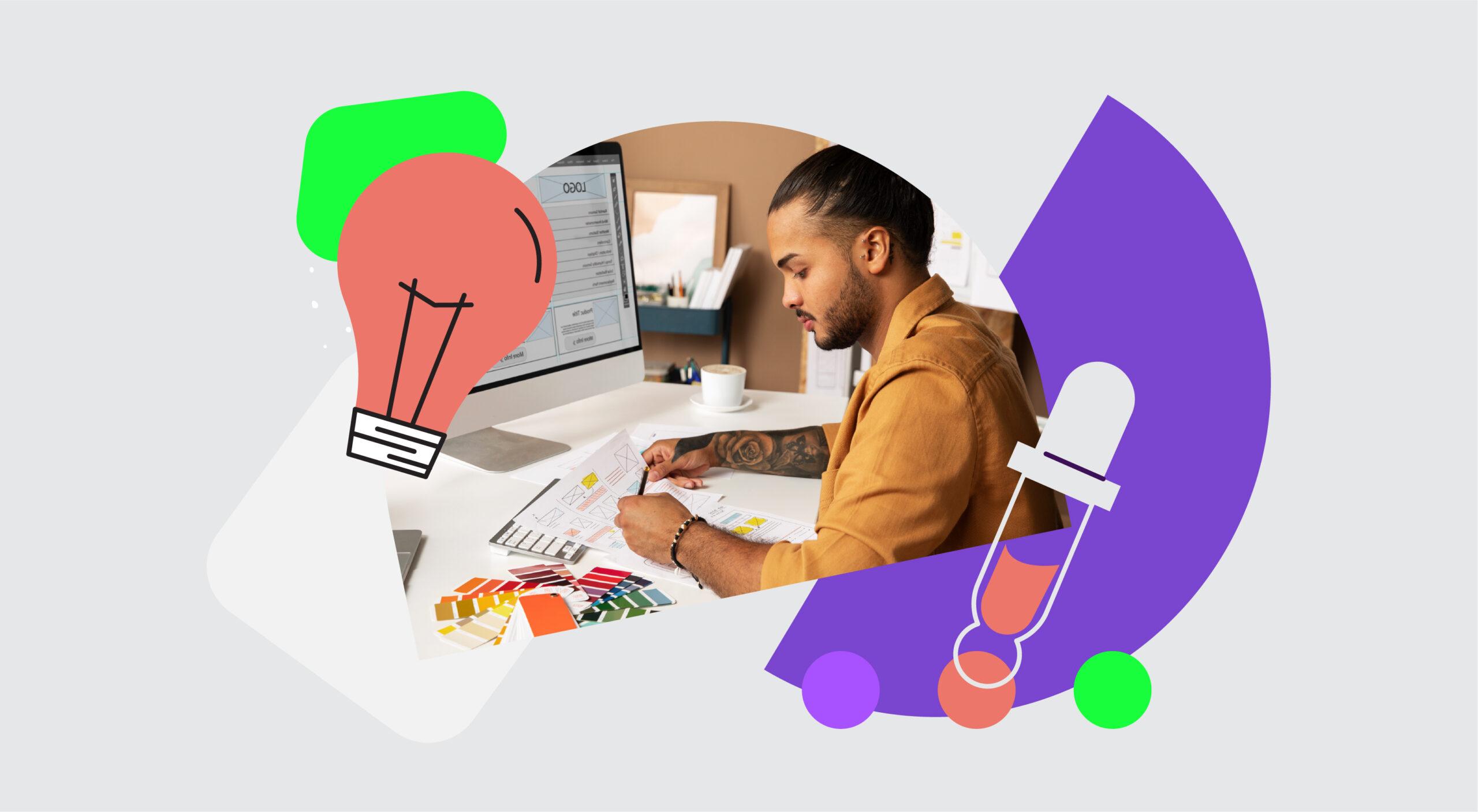
UX Designer in EdTech: Key Skills and Trends Shaping the Future of Educational Technology
Are you passionate about improving education through innovative digital experiences? As schools,colleges,and universities increasingly turn to technology to enhance learning,the demand for skilled UX Designers in EdTech is on the rise. Whether you’re an aspiring designer or experienced professional seeking a role in educational technology, understanding the vital skills, emerging trends, and practical strategies for success is crucial. In this comprehensive guide, we’ll explore what it takes to thrive as a UX Designer in EdTech—and how you can play a pivotal role in shaping the future of education.
Why UX Design Matters in Educational technology
Educational institutions are adopting new digital tools—like learning management systems (LMS), online assessment platforms, and virtual classrooms—to meet the needs of diverse learners. However, technology alone is not enough. Students, teachers, and administrators all require intuitive, accessible, and engaging digital experiences to support effective teaching and learning.This is where UX designers in EdTech come in.
- student-Centric Design: Enhances engagement and motivation.
- Accessible Solutions: Ensures tools work for everyone, nonetheless of ability.
- Simplified Tasks: Streamlines administrative and academic processes.
- Continuous Betterment: Gathers feedback for ongoing refinement.
A well-designed educational submission can increase adoption rates, improve learning outcomes, and set institutions apart in a competitive landscape.
Key Skills for a Triumphant EdTech UX Designer
To excel as a UX Designer in EdTech, you’ll need a blend of conventional user experience skills and specialized knowlege relevant to education. Here are the most sought-after abilities:
1. User Research and Empathy
- Conducting interviews, usability tests, and surveys with students, faculty, and staff.
- Understanding diverse user needs, including accessibility, age differences, and cultural backgrounds.
- building personas and user journey maps centered around educational goals.
2. Interaction Design & Prototyping
- Creating wireframes and clickable prototypes for edtech platforms.
- Designing interactive elements that foster engagement and ease use.
- Iteratively testing and refining designs based on real-world feedback.
3.Knowledge of Learning Theories
- Incorporating principles from pedagogy and cognitive science.
- Understanding how students learn and how technology can support knowledge retention.
- Working closely with educators to align UX with learning objectives.
4. Accessibility and Inclusivity Skills
- Designing for visual, auditory, and motor impairments using WCAG guidelines.
- Supporting multilingual and cross-cultural experiences.
- Ensuring platforms are usable on different devices and with assistive technologies.
5. Technical Fluency
- Comfort collaborating with developers—knowledge of HTML, CSS, and JavaScript is a plus.
- Understanding integrations with LMS (such as Moodle, Canvas) and assessment platforms.
- familiarity with EdTech-specific tools (like SCORM or xAPI for e-learning content).
6. Data-Driven Design
- Analyzing user data, engagement metrics, and learning analytics to inform design decisions.
- Setting up user funnels and feedback loops for continuous improvement.
7. Collaboration and Communication
- Working with cross-functional teams: educators, researchers, IT specialists, and administrators.
- Presenting design ideas effectively to both technical and non-technical stakeholders.
Latest Trends Impacting UX Designers in edtech
EdTech is a fast-evolving field influenced by new technologies, educational paradigms, and user expectations. Here’s what’s shaping the future for UX professionals:
- Personalized Learning Experiences: Adapting interfaces and content to meet individual learner needs.
- AI Integration: Smart tutoring systems, chatbots, and adaptive assessments powered by artificial intelligence.
- Gamification: Using game mechanics to increase motivation, engagement, and learning effectiveness.
- Mobile-First Design: Designing for learners who access content primarily on smartphones and tablets.
- Augmented & Virtual Reality: Creating immersive simulations and experiential learning environments.
- Microlearning Modules: Delivering content in short, focused bursts for just-in-time knowledge.
- Data Privacy and Security: Designing experiences that respect student data protection and digital safety.
- Remote & hybrid Learning: Ensuring seamless UX across in-person, online, and blended environments.
Benefits of Working as a UX Designer in EdTech
Choosing a career as a UX Designer in EdTech is not just about a job—it’s about making a meaningful impact. Here are some key benefits of working in this dynamic field:
- Purpose-Driven Work: Play a direct role in supporting educators and empowering students to learn and grow.
- Career Stability: Education is a cornerstone sector with ongoing demand for technology-enhanced tools.
- Continuous Learning: Stay at the forefront of both technological and educational innovation.
- Collaborative Environment: Work alongside passionate professionals with a shared mission.
- Innovation Opportunities: Influence the adoption of emerging tech and teaching practices.
Practical Tips to Land a UX Designer Role in Educational Technology
Job seekers aiming for positions as a UX Designer in Educational Technology can enhance their prospects with these targeted strategies:
1. Build a Relevant Portfolio
- Include projects that demonstrate your ability to solve problems in educational settings.even speculative or volunteer work can showcase your skills.
- Highlight your understanding of instructional design and learner-centric solutions.
- Document your research process, from initial finding to final usability testing.
2. Stay Current with Industry Trends
- Join EdTech communities and networks to keep up with best practices and innovations.
- Participate in webinars,workshops,and online courses focused on education and UX.
3. Learn the Language of Educators
- Familiarize yourself with educational frameworks,standards,and assessment metrics.
- Understand common pain points faced by teachers, students, and administrators.
4. Emphasize Accessibility and Inclusion
- Showcase experience designing for diverse learners and those with disabilities.
- Stay informed about evolving accessibility standards and tools relevant to EdTech.
5.Gain Experience with EdTech Tools
- Explore widely-used platforms like Blackboard, Google Classroom, or Canvas.
- experiment with authoring tools and e-learning standards (SCORM, xAPI).
6. Prepare for Interdisciplinary Collaboration
- Highlight experience working on cross-functional teams.
- Practice translating technical ideas for non-technical stakeholders.
What Employers Look for When hiring UX Designers in EdTech
Universities, colleges, and schools value candidates who combine strong design skills with a deep understanding of education. When applying for an EdTech UX role,employers typically seek:
- Human-centered design approach with a focus on accessibility and usability.
- Experience in educational environments or with digital learning products.
- Portfolio of relevant, impactful work—including research and iteration cycles.
- Ability to use common design tools (Figma, Sketch, Adobe XD, etc.).
- Strong communication and teamwork skills.
- Willingness to adapt and learn as technology and education evolve.
Conclusion
The role of a UX Designer in EdTech is essential as educational institutions continue embracing digital conversion.By cultivating the right mix of user experience expertise, technical fluency, and empathy for the learning journey, you can definitely help shape engaging and impactful educational environments for all. Stay curious, continuously refine your skills, and embrace new trends—you’ll be well-positioned to succeed in this rewarding and forward-thinking field.
Ready to make a difference in educational technology? Start your journey today, and design the future of learning!