
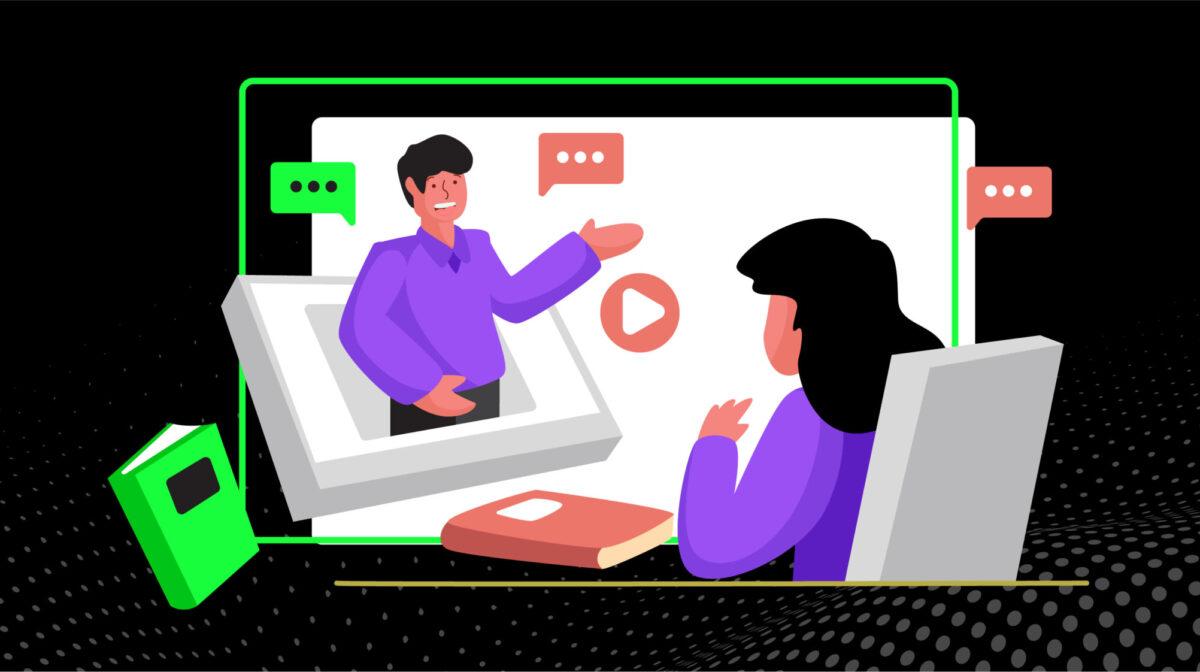
UX Designer in EdTech: Key Skills,Roles,and Career Insights
Are you passionate about user experience and education? Landing a role as a UX designer in EdTech at a university,college,or school could be your perfect fit. This career combines technological expertise and educational innovation too enhance how students learn and educators teach. In this comprehensive guide, we’ll delve into the key skills, essential roles, career insights, benefits, and practical tips to help you thrive as a UX designer in the education technology sector.
What is a UX Designer in EdTech?
A UX (User Experience) Designer in EdTech specializes in creating intuitive and engaging digital experiences for educational platforms, tools, and resources.Whether working on learning management systems (LMS), virtual classrooms, e-textbooks, educational apps, or school websites, these professionals ensure that technology meets the unique needs of students, teachers, and educational administrators. With the growing adoption of digital solutions in education, universities and schools are actively seeking UX designers who can bridge the gap between pedagogy and technology.
Key Skills for UX Designers in edtech
To succeed as a UX designer in education technology, candidates should possess a blend of design thinking, technical proficiency, and a deep understanding of learners’ needs. Here are the moast essential skills recruiters look for:
- User Research & Empathy: Conducting audience research, interviews, and usability testing tailored to students and educators.
- Wireframing & Prototyping: Creating clear wireframes, user flows, and interactive prototypes for education software and apps.
- Details Architecture: Organizing and structuring complex information so that it is easily navigable for diverse users, including students of all ages and abilities.
- UI Design: Designing interfaces that are visually appealing, accessible, and consistent across devices.
- Accessibility (WCAG/ADA Compliance): Ensuring that digital education products are inclusive, addressing the needs of users with disabilities.
- Collaboration & Communication: Working cross-functionally with product managers, developers, educators, and students to align on goals and iterate on designs.
- Problem-solving: Applying creative and analytical thinking to address challenges unique to the educational context.
- Data Analysis: Utilizing analytics and user feedback to drive continuous improvement of EdTech products.
- Knowledge of Educational Technology Trends: Staying informed about the latest tools, pedagogy strategies, and e-learning standards.
Typical Roles and Responsibilities of EdTech UX Designers
The day-to-day responsibilities of a UX designer in a university or school setting can vary depending on the type of institution and the digital products involved. However, some core duties are common across most education technology roles:
- Conduct user research with students, faculty, and staff to identify needs, pain points, and opportunities.
- Design wireframes, mockups, and interactive prototypes for new digital learning tools or platform updates.
- Facilitate usability testing and analyze feedback for ongoing improvements.
- Collaborate with academic specialists to align digital experiences with educational goals.
- Ensure all designs meet accessibility standards and consider diverse learning needs.
- Work closely with front-end developers to implement and refine user interface designs.
- Contribute to the development of design systems and guidelines specific to EdTech products.
- Advocate for the user by presenting research findings and design solutions to stakeholders.
Career Insights: The Path to Becoming a UX Designer in EdTech
The route to a successful career in EdTech UX design can be highly varied, but typically involves a combination of education, portfolio development, and relevant work experience:
- Educational Background: Degrees in Human-Computer Interaction, Graphic Design, Interaction Design, Education Technology, or related fields are often preferred.
- Building a Portfolio: Collect and showcase design projects relevant to educational apps, e-learning modules, or student-centered interfaces.
- Experience: Internships, freelance work, or volunteering on projects for schools, colleges, or EdTech startups can give you a competitive edge.
- Certifications: Consider certifications like Google UX Design, nielsen Norman Group UX Certification, or specialized accessibility training.
- Networking: Engage with EdTech communities, educational conferences, and online forums to stay informed and connected.
With the expansion of digital learning,UX designers are increasingly in demand not only at private EdTech firms but also directly within universities,colleges,and K-12 school systems.
Benefits of Working as a UX Designer in Education Technology
- Meaningful Impact: Shape how students, teachers, and educational leaders experience learning technology, possibly transforming outcomes across entire institutions.
- Creative Problem-Solving: Tackle challenges unique to diverse, multi-generational learners and educators.
- Job Security and Growth: With EdTech adoption on the rise, skilled UX designers enjoy strong job prospects at universities, colleges, and school districts.
- continuous Learning: Stay at the cutting edge of both technology and pedagogy as digital education evolves.
- Collaborative Culture: Work alongside passionate educators, developers, and academic professionals in a dynamic surroundings.
- Competitive Salaries: UX designers in EdTech command attractive compensation, with opportunities for advancement into leadership or product management roles.
Practical Tips for Securing a UX Designer Job in EdTech
Ready to take the next step in your career as a UX designer for schools, colleges, or universities? Here are some actionable tips to help you stand out in your EdTech job applications:
- Tailor your portfolio: Highlight projects that demonstrate your understanding of learning environments, user diversity, and accessibility.
- Understand educational challenges: Show familiarity with issues like digital equity,remote learning,and student engagement. Address these in your designs.
- Get feedback from educators: collaborate with teachers or university staff on small projects or case studies and incorporate their insights.
- Showcase user research skills: Detail your methodologies for research with actual learners and how you’ve translated findings into impactful design decisions.
- demonstrate technical skills: Proficiency in design and prototyping tools (such as Figma, Adobe XD, sketch) is frequently enough required—mention your expertise in these platforms.
- Highlight impact: Quantify the results of your designs where possible—e.g., increased student engagement, improved navigation, or higher accessibility compliance.
- Stay up to date: Keep learning about new EdTech developments, UX best practices, and relevant laws or policies impacting accessibility and privacy in education.
Conclusion: Your Future as a UX Designer in EdTech
A career as a UX Designer in edtech is both dynamic and deeply rewarding, allowing you to make a tangible difference in education. By focusing on user-centered design, accessibility, and collaboration, you can definitely help shape the future of learning for students and educators alike. Whether you aspire to join a university innovation department, a college’s digital conversion team, or a school district’s tech initiative, your skills and passion can create positive change. Start building your EdTech UX portfolio today, invest in your continuous learning, and take that next confident step toward an impactful and exciting role in educational technology.