
UX Designer in EdTech: Key Skills, Roles & Career Opportunities Explained
Introduction
If you’re passionate about user experience and eager to make a positive impact on education, a role as a UX Designer in EdTech at universities, colleges, or schools could be your dream career. in a world where digital learning is rapidly evolving, educational institutions are increasingly recognizing the value that skilled User Experience (UX) Designers bring to the table. This comprehensive guide will walk you through what it means to work as a UX Designer in EdTech, the essential skills required, typical responsibilities, career opportunities, and practical tips to break into the field.
What Dose a UX Designer Do in EdTech?
UX Designers in the education technology sector are responsible for shaping digital experiences—such as learning management systems, virtual classrooms, and educational apps—that genuinely engage, support, and inspire students and educators. Their goal is to ensure all users (students, teachers, administrators) can easily navigate educational technologies with minimal friction and maximum satisfaction.
Key duties include:
- Conducting user research to understand the needs and challenges of diverse learners and educators
- Creating wireframes, prototypes, and user flows for digital educational products
- Collaborating with developers, product managers, and educators to turn ideas into intuitive solutions
- Testing designs and iterating based on user feedback and data
- Advocating for accessibility and inclusive design principles
- Analyzing how students and staff interact with interfaces to continuously enhance usability
Key Skills for a UX Designer in EdTech
To succeed as a UX Designer in educational settings, you need a unique mix of creative, technical, and interpersonal skills. Some of the most sought-after skills include:
1. User Research and Empathy
- Understanding the behaviors, motivations, and pain points of students and educators
- Conducting interviews, surveys, user testing, and usability studies
2. Interaction and Visual Design
- Designing intuitive navigation, clean layouts, and engaging user interfaces
- Proficiency with design tools such as figma, Sketch, and Adobe XD
3. Prototyping and Usability testing
- Building interactive prototypes to simulate user journeys
- Organizing A/B tests and collecting actionable feedback for iterative improvement
4. Accessibility and Inclusive Design
- Applying accessibility standards (e.g., WCAG) so digital tools are usable by all learners
- Advocating for universal design practices in educational products
5. Communication and Collaboration
- Translating technical jargon for non-technical stakeholders
- Working with cross-functional teams, presenting findings and solutions clearly
6. Data-Driven Decision-Making
- Analyzing user metrics, heatmaps, and feedback to drive continuous product improvement
Roles and Responsibilities of a UX Designer in EdTech
While the core responsibilities remain consistent, the specific focus of a UX Designer may vary depending on the type of educational institution, the target audience, and the scope of products. Common job titles and functions include:
- UX/UI Designer: Designing engaging and functional interfaces for learning management systems or educational apps.
- Interaction Designer: Focusing on the way users interact with educational technology,ensuring logical flows and ease of use.
- service Designer: Mapping out end-to-end educational experiences,sometimes offline and online,to create integrated solutions.
- Accessibility Specialist: Ensuring all educational digital platforms accommodate users with disabilities.
- User researcher: Gathering and analyzing data about user behavior to inform design decisions.
Career Opportunities in Educational Technology
Education technology is a rapidly expanding sector, with increasing investment in digital transformation at schools, colleges, and universities. As institutions adopt more advanced e-learning platforms,there’s a growing demand for skilled UX Designers who can craft intuitive and effective educational experiences.
Types of Employers in EdTech
- universities and colleges creating custom learning portals or digital assessment platforms
- Public and private schools adopting educational apps and digital classrooms
- edtech companies developing products for education clients
- Non-profit organizations focused on digital education access and innovation
Typical Career Path
- Junior UX Designer
- UX/UI Designer or Product Designer
- Led UX Designer or UX Manager
- Director of User Experience or Head of Product Design
EdTech also offers opportunities for lateral movement into related areas,such as product management,user research,or accessibility consulting.
Benefits of Working as a UX Designer in EdTech
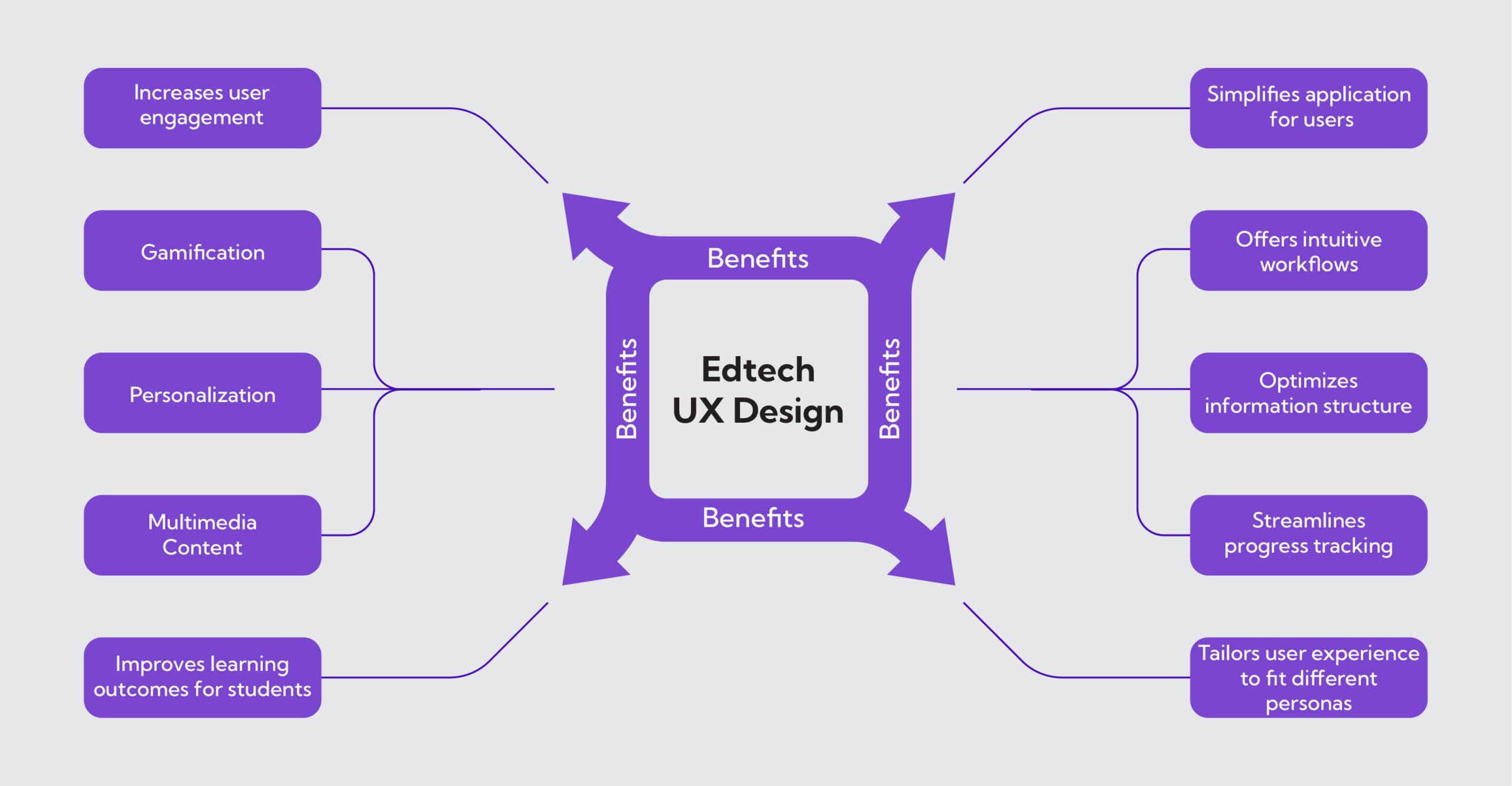
- Purpose-driven work: Make a meaningful impact on learners’ lives by designing accessible,engaging educational experiences.
- Innovation: Collaborate at the forefront of digital learning transformation.
- Job stability: As institutions continue to upgrade digital systems, the demand for talented UX Designers is rising.
- Professional growth: Opportunities to expand your design skills into education, accessibility, and emerging technologies like AI and VR.
- Flexible work arrangements: Many edtech roles offer versatility for hybrid or remote work.
How to Get a UX Designer Job in EdTech: Practical tips
If you’re ready to start your journey as a UX Designer in EdTech,consider these actionable steps to boost your employability:
- Build a robust portfolio: Showcase case studies of educational digital products,highlighting your research,design process,and user-centered outcomes.
- Gain EdTech experience: Volunteer for educational nonprofits, participate in EdTech hackathons, or freelance for schools and academic programs to build sector-specific knowledge.
- Master accessibility: Stay informed about accessibility regulations and ensure your portfolio demonstrates inclusive design competency.
- Network with educators and technologists: Attend conferences,webinars,or online forums focused on EdTech and user experience design.
- Learn about pedagogy: Understand key educational theories and teaching methods to better empathize with your users.
- Stay up to date: follow industry trends, tools, and best practices in User Experience and education technology.
- tailor your application: Customize your resume and cover letter for each institution or EdTech company, emphasizing your passion for education and relevant technical skills.
Conclusion
The role of a UX Designer in EdTech is both challenging and highly rewarding. It offers you the chance to combine a passion for design and a desire to improve educational outcomes on a wide scale. By developing in-demand skills such as user research, interaction design, accessibility, and collaboration, you can position yourself for success in universities, colleges, schools, or leading EdTech companies. With digital learning’s continued growth, now is an exciting time to build a career where technology meets transformative education.